
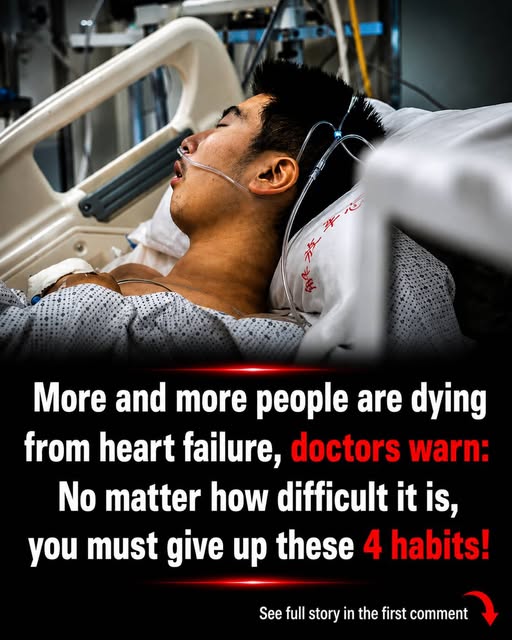
Heart failure is becoming an increasingly serious health concern around the world, and doctors warn that many everyday habits may quietly damage the heart for years before symptoms appear. Heart failure does not mean the heart suddenly stops working. Instead, it happens when the heart becomes too weak or stiff to pump blood properly through the body. Over time, this can lead to fatigue, breathing problems, swelling, and dangerous complications.
Medical experts say several lifestyle habits significantly raise the risk of developing heart failure — especially when they continue for years without treatment or lifestyle changes.
1. Smoking and Heavy Alcohol Use
Doctors consistently identify smoking as one of the biggest threats to heart health. Tobacco damages blood vessels, reduces oxygen flow, raises blood pressure, and forces the heart to work harder over time. Even occasional smoking increases cardiovascular risk. Heavy alcohol consumption can also weaken the heart muscle itself. According to the American Heart Association, excessive drinking may eventually lead to alcoholic cardiomyopathy, a condition where the heart becomes enlarged and struggles to pump blood effectively. Experts now warn that even moderate alcohol intake may not be as heart-healthy as once believed. Some newer studies suggest alcohol can increase inflammation, disrupt sleep, and contribute to high blood pressure.

2. Sitting for Long Periods Every Day
A sedentary lifestyle is another major contributor to heart disease and heart failure. Doctors say long hours spent sitting at desks, in cars, or watching television can quietly damage cardiovascular health even in people who exercise occasionally. When the body remains inactive for long periods, circulation slows, blood pressure may rise, and inflammation can increase. Over time, these changes place extra strain on the heart and blood vessels. Cardiologists recommend moving regularly throughout the day instead of relying only on short workouts. Simple habits like standing up every 30 minutes, walking after meals, or taking stairs instead of elevators may help reduce long-term cardiovascular risk.
3. Poor Diet and Excess Sugar
Doctors also warn that diets high in ultra-processed foods, sugar, salt, and unhealthy fats may dramatically increase the likelihood of heart disease. These foods contribute to obesity, diabetes, high cholesterol, and high blood pressure — all major risk factors for heart failure. Sugary drinks and heavily processed snacks are particularly concerning. Research discussed online and in medical studies has linked high sugar intake with increased cardiovascular death risk, even among people who are not overweight. Health experts generally recommend focusing on whole foods such as vegetables, fruits, fish, nuts, whole grains, and lean proteins. Many cardiologists point to Mediterranean-style diets as one of the healthiest eating patterns for long-term heart protection.
4. Ignoring Stress and Poor Sleep
Chronic stress and lack of sleep are increasingly being recognized as serious cardiovascular dangers. Constant stress raises hormones like cortisol and adrenaline, which can increase blood pressure and inflammation over time. Poor sleep may be equally harmful. Sleep deprivation has been linked to obesity, diabetes, irregular heart rhythms, and high blood pressure. Sleep apnea — a condition where breathing repeatedly stops during sleep — is also strongly connected to heart failure risk. Doctors say adults should aim for consistent, quality sleep while also finding healthy ways to manage stress through exercise, social connection, mindfulness, or relaxation techniques.
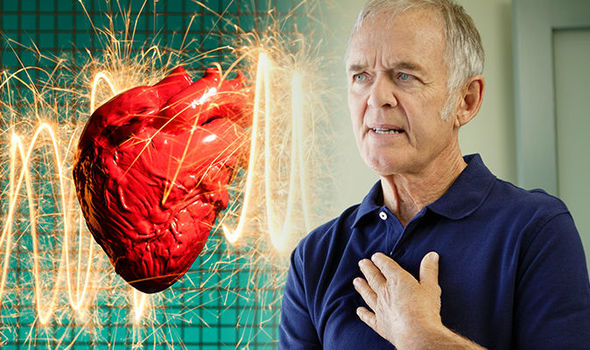
Heart Problems Are Appearing Earlier in Life
One alarming trend doctors continue to report is the growing number of younger adults developing serious heart conditions. Experts say modern lifestyles involving stress, poor diet, inactivity, smoking, energy drinks, and irregular sleep may be accelerating cardiovascular problems in people under 40. Many younger patients ignore early warning signs because they appear healthy on the outside. Symptoms such as chest tightness, unusual fatigue, dizziness, swelling, or shortness of breath are often dismissed until the condition becomes more serious. Doctors stress that heart failure often develops gradually and can sometimes be prevented through healthier daily habits, routine medical checkups, and early treatment of conditions like diabetes and high blood pressure.