
A man who purchased a plot of land more than three decades ago was stunned to discover that a luxurious mansion worth an estimated $1.5 million had been built on the property without his knowledge. The unusual case has attracted widespread attention after raising questions about property ownership, land records, and how such a significant construction project could take place on land allegedly owned by someone else.
What began as a routine visit to property purchased years earlier quickly turned into a complicated legal dispute involving ownership claims and real estate documentation.
A Purchase Made in 1991
According to reports, the man bought the parcel of land in 1991 and retained documents showing he was the legal owner. The property remained largely untouched for years, and he had little reason to visit it regularly. Like many landowners who purchase property as a long-term investment, he expected the land to remain available whenever he decided to develop, sell, or transfer it in the future. However, when he eventually returned to inspect the site, he was greeted by a shocking sight.
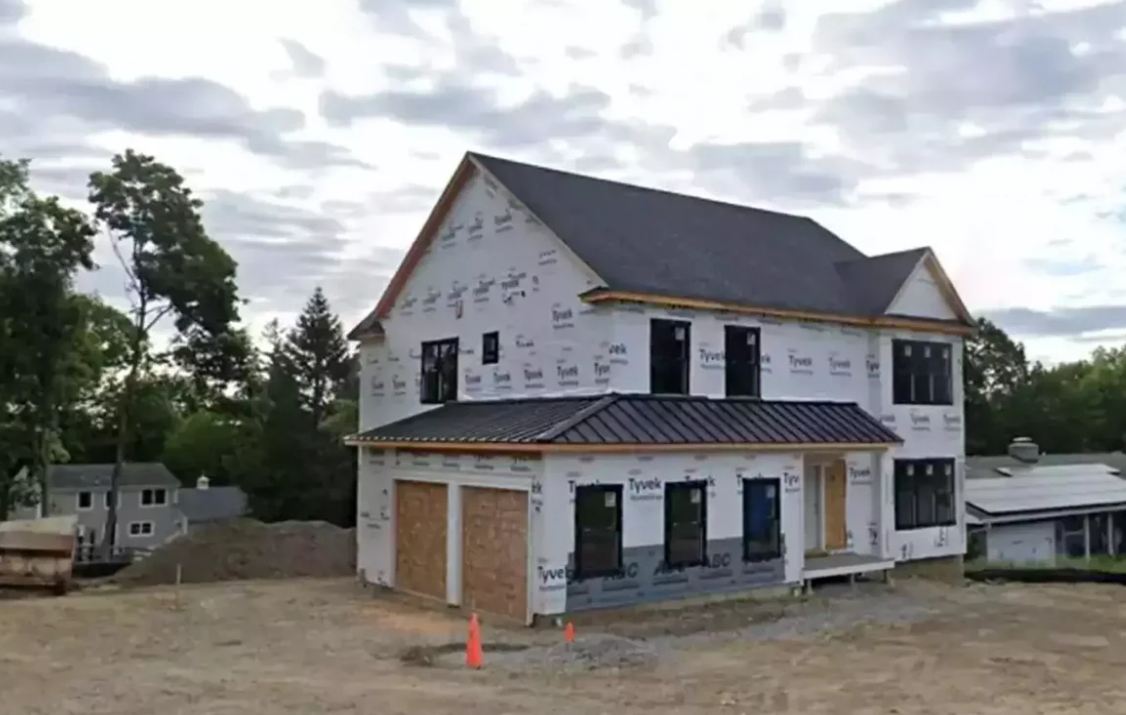
A Mansion Standing on the Property
Instead of finding the vacant land he remembered, the owner discovered that a large luxury residence had been constructed on the site. The mansion reportedly featured high-end finishes, extensive landscaping, and all the characteristics of an expensive modern home. Estimates placed its value at approximately $1.5 million. The discovery immediately raised concerns about how construction had been approved and whether the builders believed they had legal ownership of the land.
How Could This Happen?
Property disputes involving ownership records are uncommon but not unheard of. In some cases, errors in land registration systems, incorrect surveys, fraudulent transactions, or administrative mistakes can lead multiple parties to believe they own the same piece of property. Real estate experts note that when land remains undeveloped for many years, ownership issues may go unnoticed until someone attempts to build, sell, or inspect the property. In this case, authorities reportedly began reviewing documentation to determine how permits were issued and whether the construction was authorized under existing property laws. The central question became simple: who legally owned the land when the mansion was built?
A Legal Battle Emerges
After discovering the home, the original purchaser challenged the situation, arguing that he had never sold the land and still possessed documents proving ownership. At the same time, those connected to the mansion reportedly maintained that they had obtained the property through what they believed were legitimate channels. As a result, the dispute moved into the legal system, where courts and property officials were tasked with examining decades of records, deeds, registrations, and transactions. Cases like this can be especially complex because they often involve multiple parties who may have acted in good faith based on the information available to them at the time.
What Happens if Ownership Is Proven?
Legal experts say outcomes in disputes like these vary depending on local laws and the specific facts of the case. If courts determine that the original owner retained legal title throughout the entire period, significant questions arise regarding the status of the mansion itself. Potential remedies could include financial compensation, negotiated settlements, transfer of ownership rights, or other court-ordered solutions. In situations where innocent parties invested substantial sums into construction, judges often face difficult decisions balancing property rights against the realities of the development that has already occurred.
Lessons for Property Owners
The story serves as a reminder of the importance of regularly monitoring land holdings, even when they are intended as long-term investments. Property specialists often recommend that owners periodically verify land records, ensure taxes are current, confirm boundaries through surveys when necessary, and check for unauthorized activity on their property. While disputes of this scale are relatively rare, early detection of registration errors or encroachments can help prevent costly legal battles later.

An Extraordinary Discovery
Finding a fence, shed, or small structure on privately owned land would surprise most people. Discovering an entire luxury mansion worth millions of dollars is something few property owners could ever imagine. As legal proceedings continue, the case remains a striking example of how complex property ownership issues can become when land records, development projects, and competing claims collide. For the man who returned expecting to find the same vacant property he purchased in 1991, the visit revealed a reality far different from anything he could have anticipated—a fully built mansion standing where his untouched land was supposed to be.