Finding permanent marker stains on your linoleum floor can be frustrating, especially if the artwork was created by a child or the marks appeared during a home project. Although Sharpie ink is designed to be long-lasting, it doesn’t necessarily mean the stain has to stay forever. With the right approach and a little patience, you can often remove or significantly reduce permanent marker stains without damaging your flooring.
The key is to use cleaning products that break down the ink while being gentle enough to protect the floor’s finish. Before trying any cleaning method, always test it in a small, hidden area to make sure it won’t cause discoloration or damage.
Start With Rubbing Alcohol
One of the most effective ways to remove Sharpie from linoleum is with rubbing alcohol, also known as isopropyl alcohol. The alcohol helps dissolve the pigments in permanent marker, making the stain easier to lift from the surface.
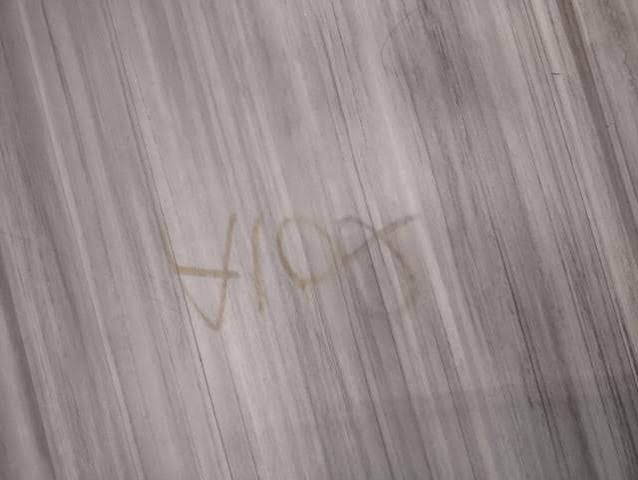
Apply a small amount of rubbing alcohol to a clean microfiber cloth rather than pouring it directly onto the floor. Gently rub the stained area using circular motions until you notice the ink beginning to fade. As the stain transfers onto the cloth, switch to a clean section to avoid spreading the ink back onto the floor. Once the stain is gone, wipe the area with a damp cloth to remove any remaining alcohol and dry the surface thoroughly.
Try a Dry-Erase Marker
It may sound surprising, but a dry-erase marker can sometimes help remove permanent marker from smooth surfaces. Simply color directly over the Sharpie stain with the dry-erase marker, then immediately wipe the area clean with a soft cloth. The solvents in the dry-erase ink can help loosen the permanent marker, making it easier to remove. This trick often works best on fresh stains but may also improve older marks with repeated applications.
Other Products That May Help
If rubbing alcohol doesn’t completely remove the stain, there are a few other products you can try carefully. Hand sanitizer, which contains alcohol, may work in a similar way. Some homeowners also report success with small amounts of acetone-based nail polish remover or specialty ink removers, though these should always be tested first because stronger solvents can damage certain floor finishes. Avoid using excessive force or abrasive scrubbers, as these can scratch or dull the protective coating on the linoleum.
Clean Up After Treatment
After removing the stain, wash the area with warm water and a mild floor cleaner to eliminate any remaining cleaning solution. Dry the floor with a soft towel to restore its appearance and prevent streaks. If a faint shadow of the marker remains, repeating the cleaning process several times is usually safer than using increasingly harsh chemicals in a single attempt.
Prevent Future Marker Mishaps
Permanent marker accidents happen, particularly in homes with children. Keeping markers away from flooring, using washable markers for crafts, and covering work areas with newspaper or protective mats can help prevent future stains. Although Sharpie ink is designed to be permanent, it doesn’t always have to leave a lasting mark on your linoleum floor. Acting quickly, using gentle cleaning techniques, and choosing the right products can often restore your flooring without causing unnecessary damage. With a little patience and the proper method, even stubborn marker stains can often be removed, leaving your floor looking clean and fresh once again.