
Most people have the same routine after washing their bedding: they wait until the sheets are completely dry before putting them back on the bed. However, in many households, a different tradition has been passed down through generations. Instead of waiting for the sheets to dry fully, some people make the bed while the fabric is still slightly damp.
At first, this practice may sound unusual or even uncomfortable. After all, few people would choose to sleep on wet bedding. But supporters of the method insist that there are practical reasons behind it, and they believe it can leave the bed looking and feeling better than using fully dried sheets. Although it may not be suitable for everyone, this simple laundry trick continues to attract attention because of its surprising benefits.
A Natural Way to Reduce Wrinkles
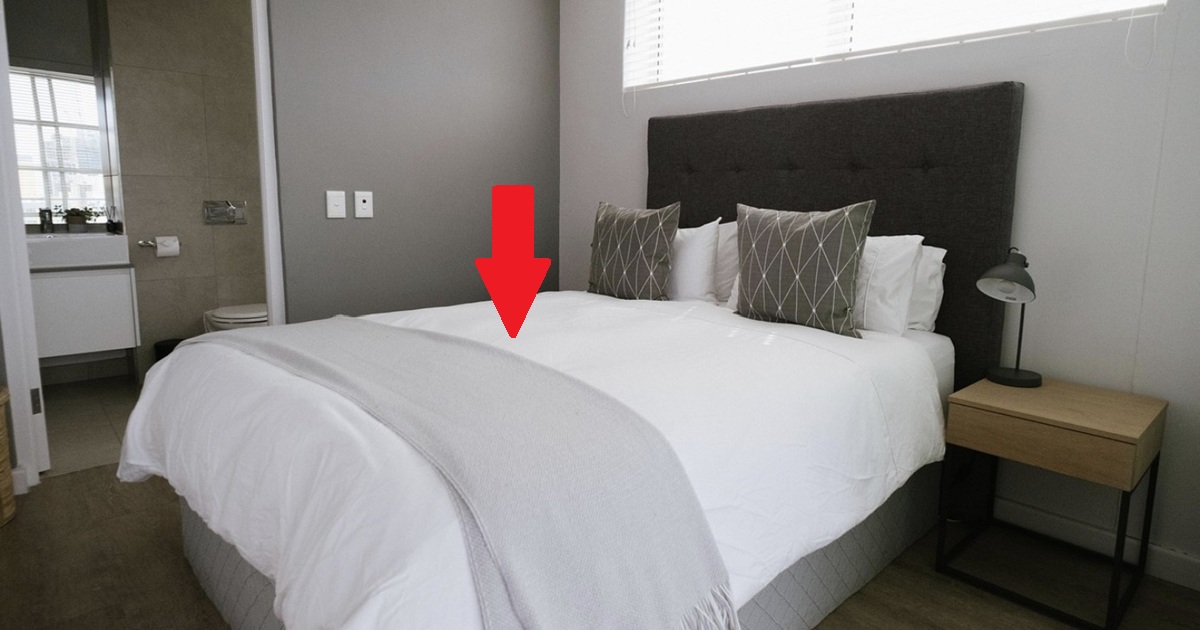
One of the biggest advantages of using slightly damp sheets is that they can dry smoothly while stretched across the mattress. As the remaining moisture evaporates, the fabric naturally tightens, helping to reduce wrinkles without the need for ironing. For people who enjoy the crisp appearance of freshly made beds, this method offers an easy solution. Instead of spending extra time pressing large sheets, the mattress itself acts as a flat surface that helps keep the fabric neat as it dries. Similar wrinkle-reducing techniques are often recommended by housekeeping experts for large household linens.
Saving Time and Energy
Another reason some people prefer this approach is convenience. Drying thick bedding completely can take a long time, especially for larger bed sizes. Removing the sheets from the dryer while they are just slightly damp may reduce drying time and lower energy use. For households trying to save electricity or avoid running the dryer longer than necessary, this habit can be a practical alternative. Once the sheets are placed on the mattress, they continue drying naturally in a well-ventilated room. While the energy savings may be modest, every small change can contribute to lower household costs over time.
A Cooler Feeling During Warm Weather
Some people enjoy using this method during the hottest months of the year because the slight dampness creates a cooling sensation. As moisture evaporates, it can help remove heat from the body, making the bed feel more refreshing when temperatures are high. This cooling effect is similar to other techniques that rely on evaporation to reduce body temperature. Experts note that these methods work best in warm, dry conditions where moisture can evaporate efficiently. However, this benefit usually disappears once the sheets have completely dried.
There Are Also Important Drawbacks
Despite its advantages, making a bed with damp sheets is not always recommended. If the sheets are too wet or the room has poor ventilation, moisture may remain trapped in the fabric for an extended period. This can create unpleasant odors and increase the risk of mold or mildew developing over time. Humidity plays a major role in how well this method works. In damp climates or poorly ventilated bedrooms, sheets may take much longer to dry, making the practice less hygienic and less comfortable. For that reason, anyone trying this technique should ensure the sheets are only slightly damp rather than wet.
Hygiene Still Comes First
Whether you prefer dry or slightly damp sheets, keeping bedding clean is the most important factor for a comfortable night’s sleep. Experts generally recommend washing bed sheets regularly to remove sweat, body oils, dust, and allergens that naturally build up over time. During warmer months or if someone sweats heavily at night, more frequent washing may be beneficial. Proper ventilation is equally important. Allowing fresh air to circulate around the bed helps moisture evaporate and keeps bedding feeling fresher for longer.

Is This Method Right for You?
There is no universal answer. Some people love the smooth appearance, reduced wrinkles, and slight cooling effect that damp sheets provide, while others prefer waiting until every piece of bedding is completely dry before making the bed. Personal comfort, climate, humidity levels, and drying conditions all influence whether this old-fashioned trick works well. If you decide to try it, remember that the sheets should never be soaking wet. A small amount of remaining moisture is enough to achieve the wrinkle-reducing effect without increasing the risk of dampness lingering in the fabric. In the end, this simple household habit demonstrates that sometimes traditional cleaning methods continue to survive because they offer practical benefits, even if they seem unusual at first glance.