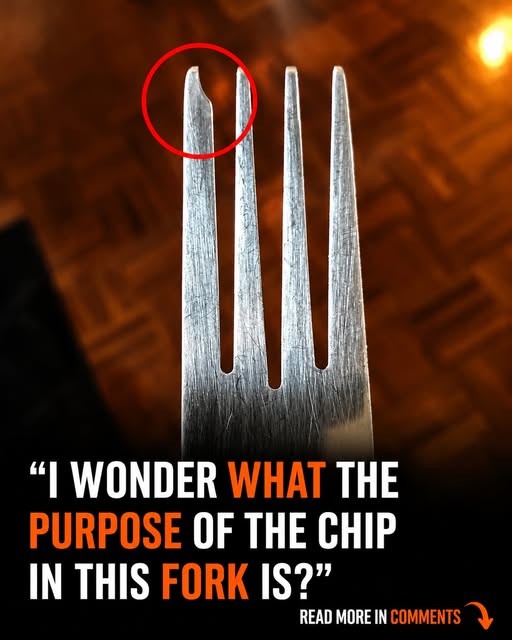
Most people have used a cake fork at some point without giving much thought to its unusual design. At first glance, it looks like an ordinary fork, except for one curious feature a wider outer tine with a small notch or flattened edge. Many assume the design is simply decorative, but the notch actually serves a practical purpose that dates back to traditional European dining customs. It was specifically created to make eating cakes and pastries easier and more elegant.
What Is a Cake Fork?
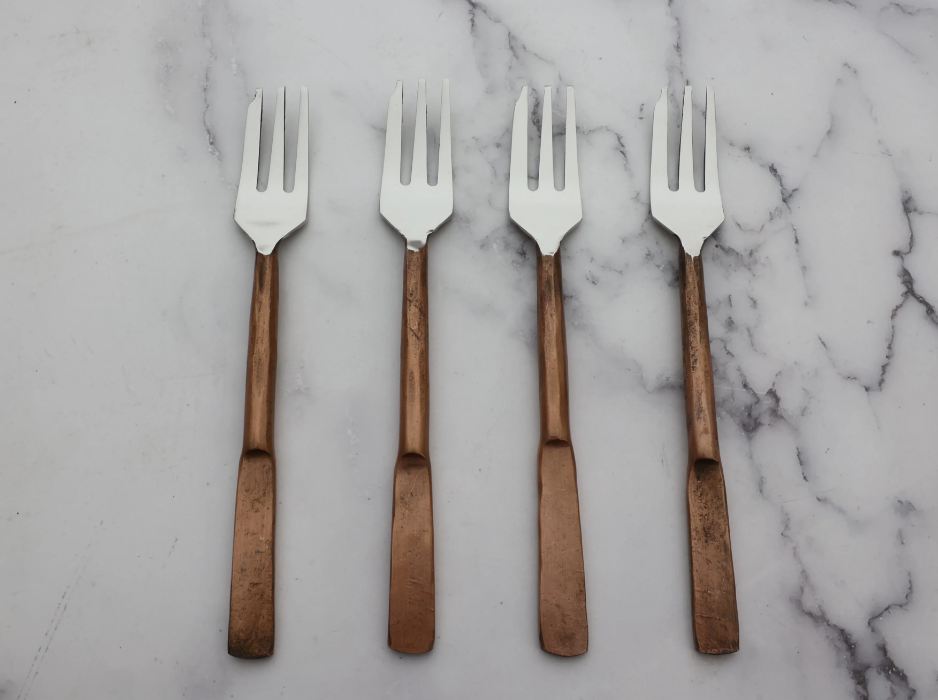
A cake fork is a small dessert fork designed for serving and eating cakes, pastries, tarts, and other sweet treats. It is typically smaller than a dinner fork and often features three or four tines. The most recognizable characteristic is the enlarged outer tine, which may appear flattened, beveled, or notched. Depending on the manufacturer and country of origin, the exact shape can vary slightly, but the purpose remains largely the same. This distinctive feature transforms the fork into a dual-purpose utensil.
The Real Purpose of the Notch
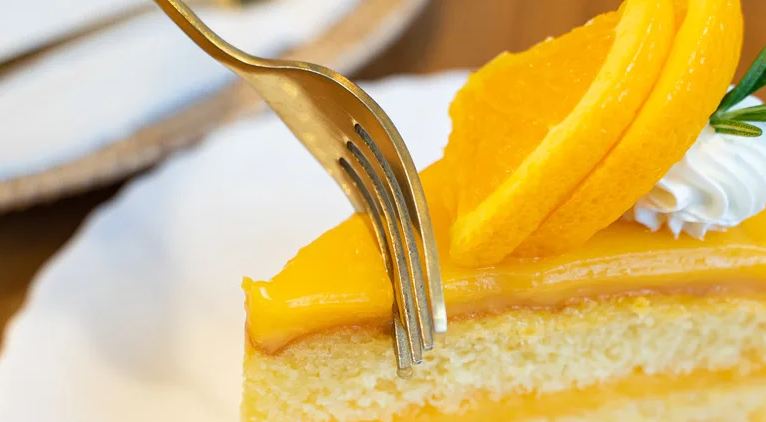
The widened tine acts as a miniature cutting edge. Soft desserts such as sponge cakes, cheesecakes, fruit tarts, and cream-filled pastries can often be cut using the side of the fork rather than requiring a separate knife. By pressing the flattened tine into the dessert, diners can slice off a bite-sized piece and immediately lift it to their mouth using the same utensil. This clever design eliminates the need for additional cutlery and creates a more convenient dining experience.
A Solution for Delicate Desserts
Many desserts are too soft to require a knife but too large to eat comfortably in a single bite. Traditional forks can struggle to cut through layers of pastry, cream, or fruit toppings cleanly. The notched edge provides extra leverage, allowing users to separate portions neatly without crushing the dessert. This is particularly useful when eating delicate pastries that might fall apart if handled roughly. The design helps preserve the appearance of the dessert while making it easier to enjoy.
A Tradition Rooted in European Dining
Cake forks became especially popular in Germany, Austria, and other parts of Central Europe during the nineteenth and early twentieth centuries. Afternoon coffee and cake gatherings were important social traditions, and specialized utensils were often developed to accompany different foods. Just as oyster forks, fish knives, and butter spreaders were created for specific dining purposes, the cake fork evolved to meet the needs of pastry lovers. Many vintage silverware collections still include dedicated cake forks, and they remain common in formal tea and dessert settings today.
Why Most People Never Notice
Because modern dining tends to favor simplicity, many households no longer use specialized dessert utensils. As a result, people often encounter cake forks only at restaurants, cafés, weddings, or formal gatherings. When they do notice the unusual tine, they may assume it is a manufacturing quirk or decorative detail rather than a functional feature. In reality, the notch is a carefully designed tool intended to make dessert consumption easier and more refined.
Different Styles Around the World
Not all cake forks look exactly alike. Some feature a pronounced notch, while others have a broad, flattened outer tine resembling a miniature knife blade. In some designs, the cutting edge appears on the left side of the fork, making it easier for right-handed diners to cut and eat using one hand. Other versions are reversed for different dining traditions. Despite these variations, the principle remains the same: combining cutting and eating functions into a single utensil.
A Small Design with a Clever Purpose
The cake fork’s distinctive notch may seem insignificant, but it represents a thoughtful solution to a common dining challenge. Rather than requiring both a fork and a knife, the utensil allows diners to cut and enjoy soft desserts using a single piece of cutlery. It is a reminder that many everyday objects contain design features shaped by generations of practical experience. What looks like a strange notch is actually a clever innovation that has been helping people enjoy cake more comfortably for well over a century. The next time you are served dessert with a cake fork, take a closer look—you may be holding one of the most cleverly designed utensils on the table.