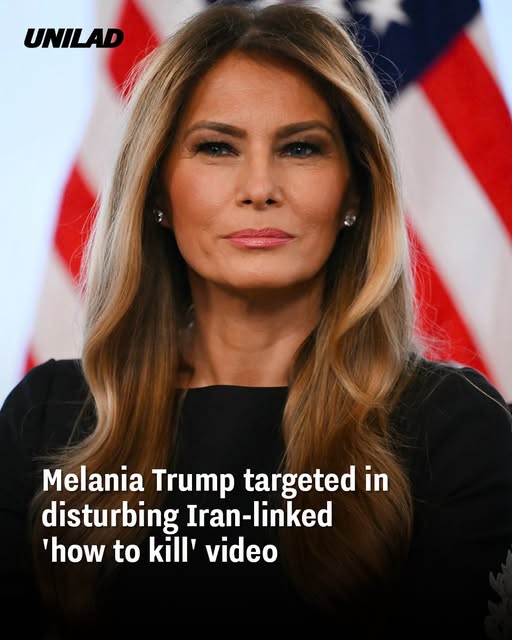
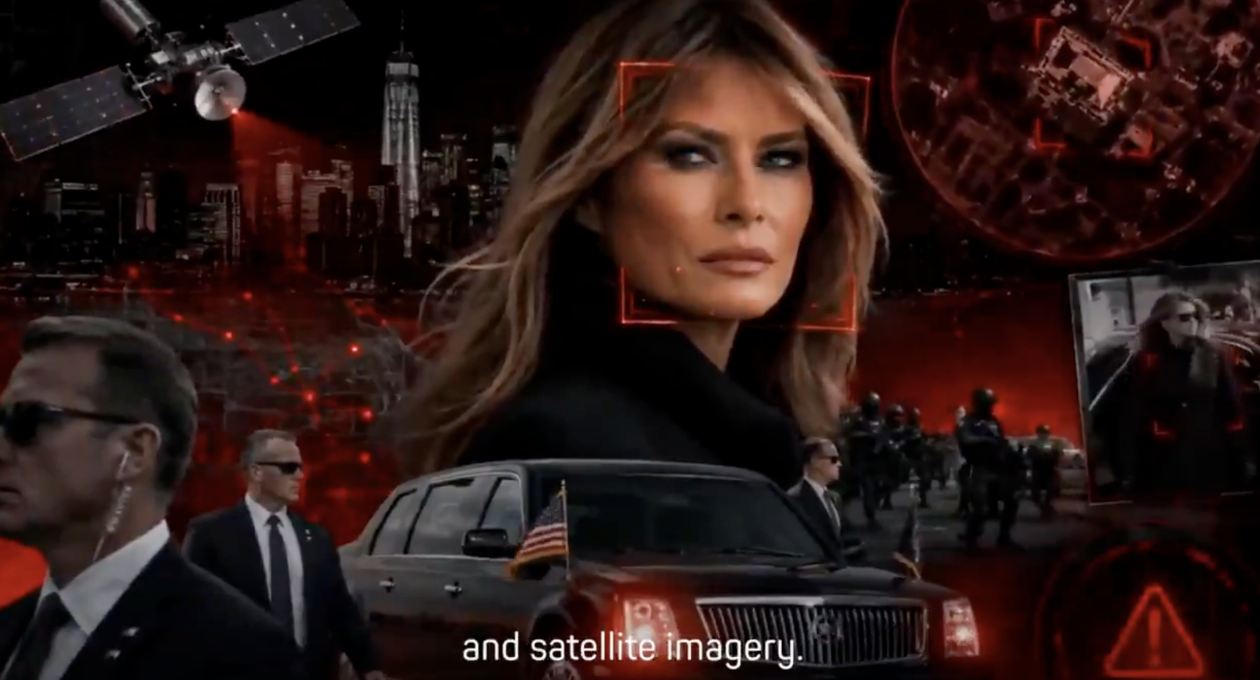
Melania Trump has found herself at the center of a fresh wave of online speculation after a video circulating on social media claimed she had made comments regarding an alleged assassination plot linked to Iran. The footage quickly gained traction across multiple platforms, prompting intense discussion and leaving many people questioning whether the claims were genuine.
As the video spread, millions of viewers shared clips and screenshots, fueling rumors before the full context had been established. The rapid circulation of the footage once again highlighted how quickly unverified claims can capture public attention, particularly when they involve high-profile political figures. The controversy emerged during an already tense political climate, making the allegations even more noticeable as social media users debated their authenticity.
Questions Raised Over the Video
The viral clip appeared to suggest that Melania Trump had commented on reports involving an alleged Iranian assassination threat connected to former President Donald Trump. However, questions were soon raised about the video’s accuracy and whether the statements being attributed to the former First Lady had actually been made. As online discussions intensified, fact-checkers and media observers began examining the footage, looking for signs that it had been edited, taken out of context, or combined with misleading captions. Similar incidents have become increasingly common as artificial intelligence tools and sophisticated editing software make manipulated videos more difficult to identify. Experts note that viral political content often spreads much faster than corrections, allowing misinformation to reach large audiences before accurate information becomes widely available.
Melania Trump’s Team Responds
In response to the growing speculation, Melania Trump’s representatives issued a firm denial, rejecting the claims circulating online. They stated that the video did not accurately represent her views and emphasized that misleading content should not be accepted as fact without proper verification. The response aimed to clarify the situation while discouraging the continued spread of false or misleading information. Representatives also stressed the importance of relying on verified statements rather than edited social media clips that may lack important context. The denial quickly became part of the wider discussion, with supporters arguing that public figures are increasingly becoming targets of manipulated online content designed to generate attention and controversy.
The Growing Challenge of Online Misinformation
The incident has once again drawn attention to the broader issue of misinformation in the digital age. Advances in technology have made it easier than ever to alter videos, create convincing fake audio, or present genuine footage in misleading ways. As a result, viewers are increasingly encouraged to verify information before sharing it, especially when videos involve political figures or major international events. Experts recommend checking whether multiple credible news organizations have confirmed a claim rather than relying solely on posts circulating through social media. The speed at which misinformation spreads can influence public opinion long before the truth is established, making media literacy more important than ever.
Ongoing Security Concerns
The discussion surrounding the viral video also comes against the backdrop of ongoing concerns about the safety of current and former political leaders. Government agencies regularly assess and respond to potential threats involving public officials, although many investigations remain confidential for security reasons. Because of the sensitive nature of such matters, officials rarely disclose operational details publicly unless there is a compelling reason to do so. This often creates an environment where rumors and speculation can spread rapidly, particularly online. Authorities continue to encourage the public to rely on official announcements rather than unverified reports that may circulate on social media.
A Reminder to Verify Before Sharing
The controversy involving Melania Trump serves as another reminder of the challenges posed by today’s digital information landscape. Viral videos can attract millions of views within hours, but popularity does not necessarily mean accuracy. As technology continues to evolve, distinguishing between authentic content and manipulated material has become increasingly difficult. Whether discussing politics, world events, or public figures, taking a few moments to verify information before sharing it can help prevent misinformation from spreading further. While online debate surrounding the video continues, the official response has firmly rejected the claims, reinforcing the importance of relying on verified information instead of viral speculation.