
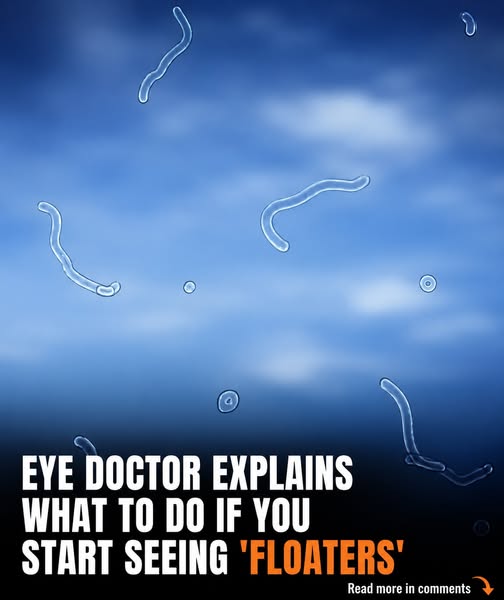
Have you ever noticed tiny spots, threads, cobweb-like shapes, or shadowy specks drifting across your field of vision? These visual disturbances, commonly known as eye floaters, are experienced by millions of people and are often considered a normal part of aging. In many cases, they are harmless and simply become more noticeable when looking at bright backgrounds such as a clear sky or a white wall.
However, while most floaters are not a cause for concern, sudden changes in their appearance can sometimes indicate a more serious eye condition that requires prompt medical attention.
What Are Eye Floaters?
Eye floaters are small clumps of collagen or gel-like material that develop inside the vitreous, the clear substance that fills the center of the eye. As light passes through the eye, these tiny particles cast shadows on the retina, creating the appearance of floating spots or shapes.
People describe floaters in different ways. Some see dots, while others notice squiggly lines, strands, rings, or spiderweb-like patterns. They often seem to move when the eyes move and may drift away when a person tries to focus directly on them. Although floaters can be annoying, they usually do not interfere significantly with vision.
Why Do Floaters Become More Common With Age?
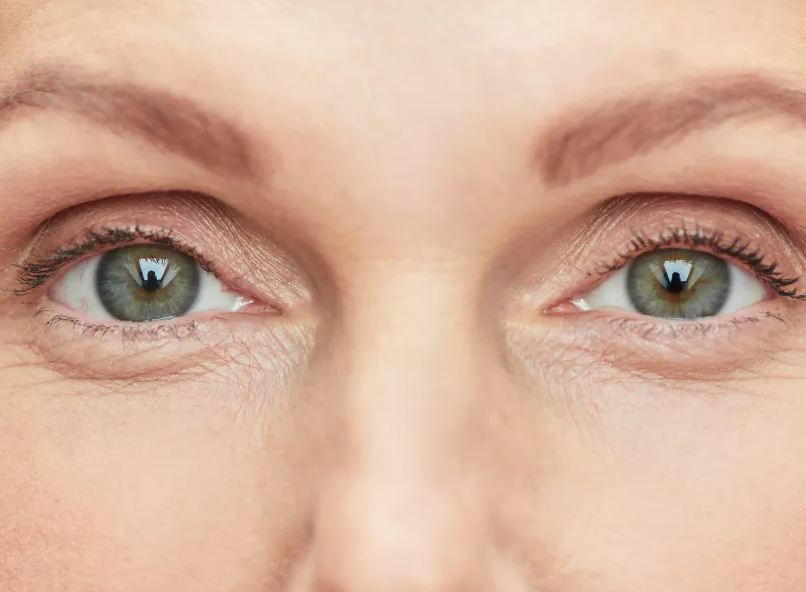
One of the most common reasons floaters develop is the natural aging process. As people get older, the vitreous gel inside the eye gradually becomes more liquid and less uniform. Tiny fibers within the gel can clump together, creating the shadows that appear as floaters. This process is particularly common after the age of 50, though younger individuals can experience floaters as well. Nearsightedness, previous eye injuries, eye inflammation, and certain medical conditions may increase the likelihood of developing them earlier in life. For many people, floaters become less noticeable over time as the brain gradually adapts and learns to ignore them.
When Floaters May Signal a Problem
While occasional floaters are usually harmless, a sudden increase in their number should never be ignored. Eye specialists warn that a rapid appearance of new floaters, especially when accompanied by flashes of light or a shadow appearing in peripheral vision, may indicate a retinal tear or retinal detachment. These conditions occur when the retina, the light-sensitive tissue at the back of the eye, becomes damaged or begins separating from its normal position. Retinal detachment is considered a medical emergency because it can lead to permanent vision loss if not treated quickly. Prompt evaluation by an eye care professional is essential whenever these symptoms occur.
Other Possible Causes
Although aging remains the most common explanation, floaters can sometimes result from other conditions affecting the eye. Inflammation inside the eye, bleeding within the vitreous, diabetic eye disease, complications from surgery, and eye trauma can all contribute to the development of floaters. In some cases, these underlying conditions require treatment to prevent further vision problems. Because the causes vary widely, it is important not to assume that every new floater is harmless, particularly when symptoms appear suddenly or change significantly.
How Eye Floaters Are Managed
In most situations, treatment is not necessary. Eye doctors often recommend monitoring the floaters and scheduling regular eye examinations to ensure no underlying issues are present. For people whose floaters become extremely disruptive to daily life, medical procedures may occasionally be considered. However, these treatments are typically reserved for severe cases because they carry their own risks and potential complications. Many individuals find that floaters gradually become less bothersome as the brain learns to filter them out over time.
Protecting Your Vision
Regular eye examinations remain one of the most effective ways to maintain healthy vision and identify potential problems early. Even if floaters appear harmless, sudden changes should always be evaluated by a qualified eye specialist. Understanding the difference between normal age-related floaters and symptoms that may indicate a more serious condition can help protect long-term eye health. While most floaters are simply a natural part of aging, paying attention to new or unusual visual changes can make a significant difference when it comes to preserving vision and preventing complications.