
One of the most common fears people experience before a cancer test is the belief that a biopsy could cause cancer to spread throughout the body. The concern has circulated online for years and continues to create anxiety for many patients facing possible cancer diagnoses. However, cancer specialists and major medical organizations say the idea is largely a myth. Modern biopsies are considered extremely safe and remain one of the most important tools doctors use to diagnose cancer accurately and begin proper treatment.
A biopsy involves removing a small sample of tissue from a suspicious lump or area so specialists can examine it under a microscope. In many situations, imaging tests like CT scans, ultrasounds, or MRIs may suggest cancer, but only a biopsy can confirm exactly what type of cells are present. Doctors stress that delaying a biopsy because of fear can actually be far more dangerous than the procedure itself.
Why the Myth Became So Popular
Experts say the misconception partly developed because some cancers are already spreading before they are discovered. When a person’s condition worsens after diagnosis, families sometimes mistakenly connect the progression to the biopsy rather than the cancer’s natural behavior.
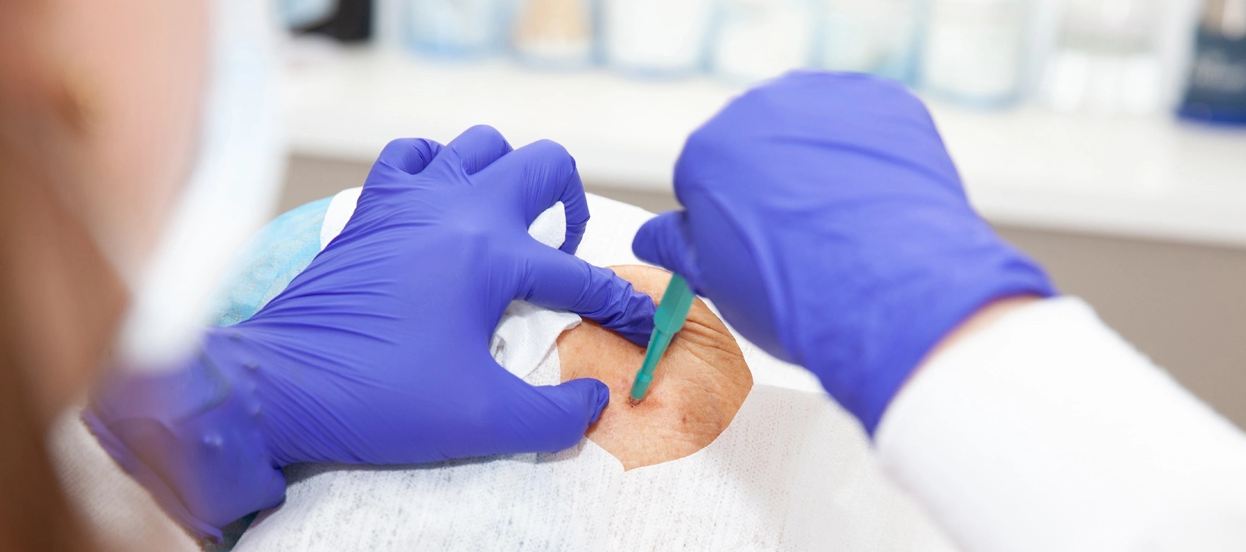
Another reason is that biopsies can occasionally cause temporary swelling, bruising, or inflammation around the tested area. Patients may interpret those changes as signs the cancer has become more aggressive. Social media and online forums have also helped spread fear around the topic. Discussions on Reddit and other platforms show many people sharing personal stories or suspicions that biopsies caused rapid cancer progression, even though medical evidence generally does not support those conclusions. Medical researchers warn that health misinformation online can discourage people from seeking potentially life-saving testing and treatment.
What Science Actually Shows
According to organizations like the American Cancer Society and experts at Dana-Farber Cancer Institute, cancer spreading from a biopsy is extremely rare. When it does happen, it is known as “tumor seeding” or “needle tract seeding.” Tumor seeding refers to cancer cells accidentally moving along the path of the biopsy needle. However, doctors explain that the body’s immune system usually destroys displaced cells before they can grow elsewhere. Most studies estimate the risk of meaningful cancer spread from modern biopsy procedures is well below 1 percent. Some sources place the risk even lower depending on the cancer type and biopsy technique used. Specialists also note that modern biopsy methods are carefully designed to minimize risk. Doctors use controlled techniques, sterile equipment, and carefully planned needle paths to avoid complications.
Rare Exceptions Do Exist
Although biopsies are considered safe overall, doctors acknowledge that a few rare tumor types require special handling. Certain sarcomas and highly unusual cancers may carry a slightly greater risk of tumor seeding, which is why specialists sometimes choose different surgical approaches for those cases. In some situations, surgeons may remove an entire suspicious tumor without performing a separate needle biopsy first. However, these decisions are made by medical experts based on the tumor’s location, appearance, and overall risk. Doctors emphasize that these exceptions are uncommon and should not be generalized to all cancers.
Why Biopsies Are So Important
Cancer treatment today depends heavily on precise diagnosis. A biopsy not only confirms whether cancer exists but also identifies the exact type, aggressiveness, and genetic features of the tumor. This information helps doctors decide whether surgery, chemotherapy, radiation, targeted therapy, or immunotherapy is most appropriate. Without a biopsy, patients may receive the wrong treatment — or undergo unnecessary procedures entirely. Some studies have shown that surgeries performed without proper tissue confirmation later proved unnecessary because the growths were not cancerous after all. Experts say modern cancer care relies on biopsy results to personalize treatment plans and improve survival rates.
The Bottom Line
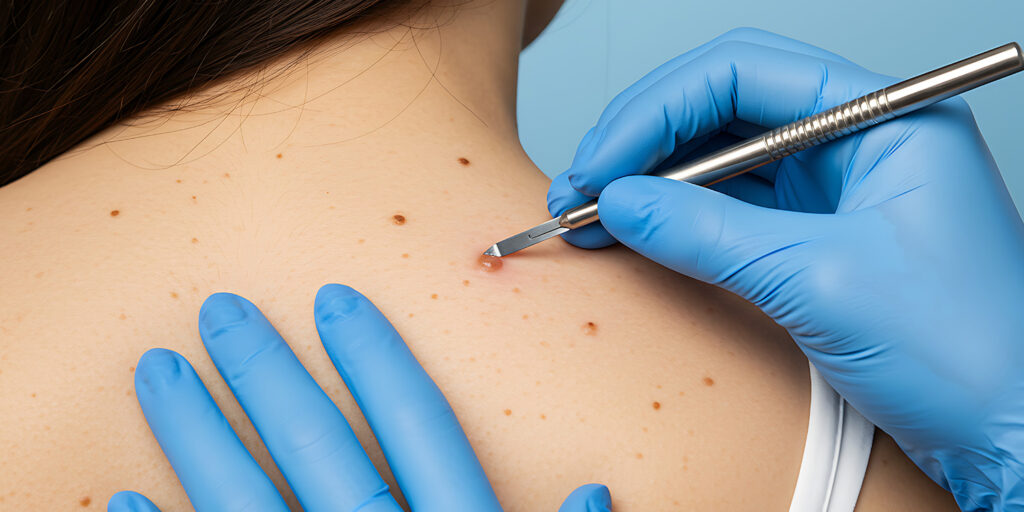
Medical experts overwhelmingly agree that biopsies do not normally spread cancer. While rare complications can happen in specific situations, the risk is considered extremely small compared to the dangers of leaving possible cancer undiagnosed. For most patients, a biopsy remains the safest and most reliable way to determine what is happening inside the body and begin treatment as early as possible. Doctors continue to encourage people not to let fear or online myths delay important medical care.