
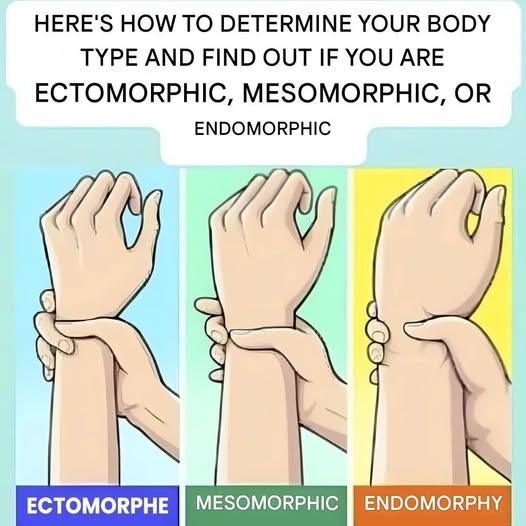
The idea of ectomorph, mesomorph, and endomorph comes from an old classification system that tries to group human body shapes into three general categories. It was originally introduced in the 1940s, and while it is still commonly used in fitness culture today, modern science recognizes that most people do not fit perfectly into just one category. Instead, body composition exists on a spectrum influenced by genetics, diet, activity level, and lifestyle habits.
Even though it is not a strict scientific system, the concept remains popular because it helps people understand general differences in metabolism, muscle gain, and fat storage.
Ectomorph
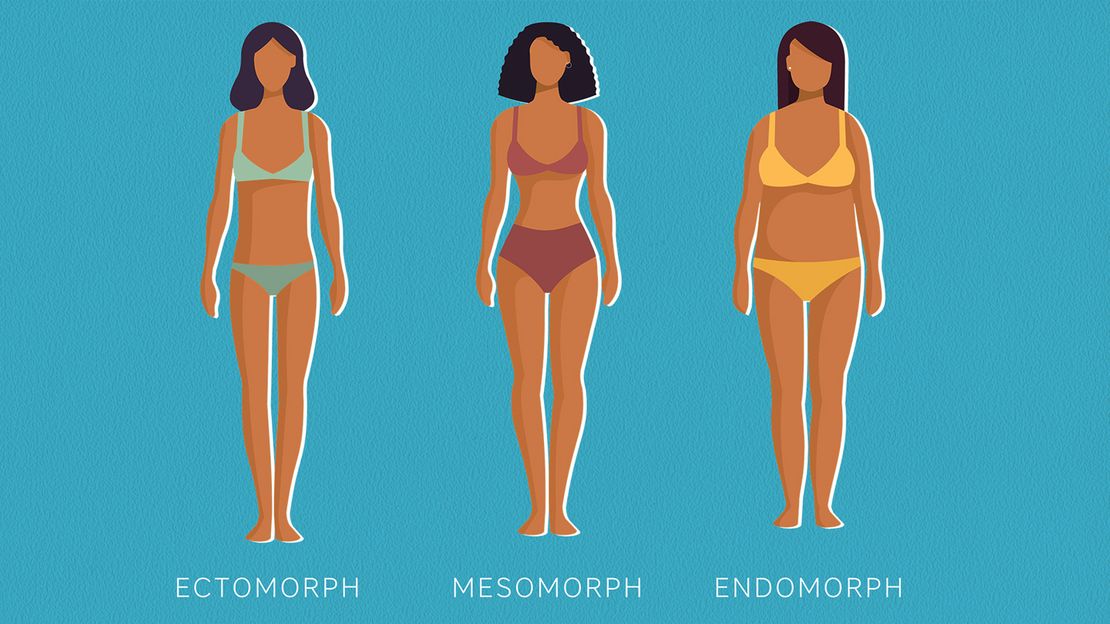
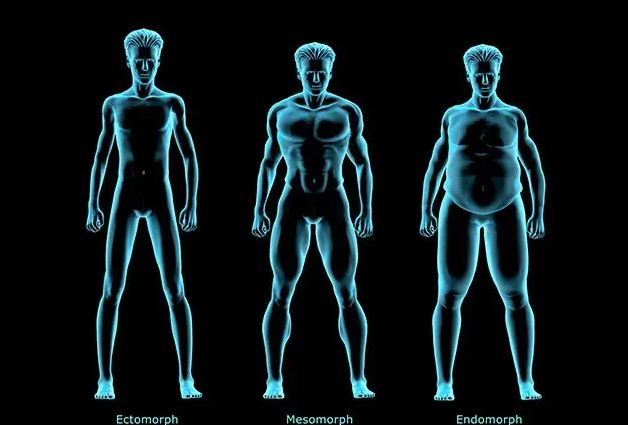
An ectomorph is typically described as a naturally thin or lean body type. People who fall into this category often have a lighter frame and find it difficult to gain weight, whether in muscle or fat.
Common characteristics include:
Narrow shoulders and hips
Long arms and legs
Low natural body fat
Fast metabolism
Because of their fast metabolism, ectomorphs often burn calories quickly, which can make weight gain challenging. In fitness, they are usually advised to focus on calorie-dense diets and strength training to build muscle mass over time. However, their lean structure can also make them naturally suited for endurance activities.
Mesomorph
A mesomorph is often considered the most naturally “athletic” body type. This category is characterized by a balanced and muscular build, with a body that responds well to both exercise and diet changes.
Typical traits include:
Broad shoulders and a narrower waist
Naturally muscular appearance
Efficient metabolism
Easier muscle gain compared to other types
Mesomorphs usually find it easier to gain strength and build muscle through resistance training. They can also lose fat relatively quickly when adjusting their diet and exercise routine. Because of this balance, they are often seen as having a naturally athletic physique. However, lifestyle still plays a major role—without proper nutrition and exercise, even a mesomorph can gain excess body fat.
Endomorph
An endomorph body type is generally described as having a softer or rounder shape. People in this category tend to store fat more easily and may find it harder to lose weight compared to other body types.
Common features include:
Wider waist and hips
Higher tendency to store body fat
Slower metabolism
Shorter limbs in some cases
Endomorphs may gain weight quickly, even with small increases in calorie intake. However, they can also build muscle effectively with proper strength training. The key challenge is often managing body fat levels through consistent exercise and a balanced diet. Cardio training combined with strength training is often recommended to help maintain a healthy body composition.
The Limitations of Body Type Theory
While the ectomorph–mesomorph–endomorph model is widely known, it has important limitations. Most people are not purely one type. Instead, they often show traits from multiple categories. For example, someone might have a mesomorph-like upper body but store fat more like an endomorph.
Modern fitness science focuses more on factors such as:
- Calorie intake and energy balance
- Muscle mass vs. fat percentage
- Hormonal balance
- Physical activity levels
These factors have a much stronger impact on body shape than strict “types.”
Conclusion
Although the body type system is simplified, it can still be useful as a basic guide for understanding how different people respond to food and exercise. Ectomorphs, mesomorphs, and endomorphs each have general tendencies, but none of them define what a person can or cannot achieve. With consistent training, proper nutrition, and healthy habits, anyone can improve their strength, fitness, and body composition regardless of their natural build.