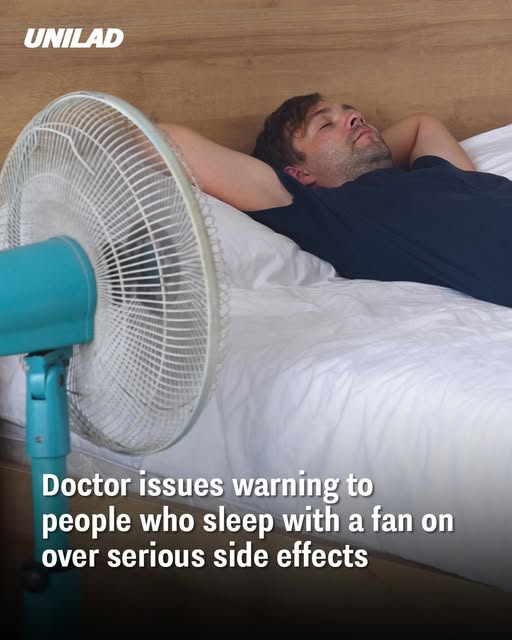
As temperatures rise during warmer months, many people turn to electric fans for relief at night. The gentle breeze can make a stuffy room feel more comfortable and help you fall asleep faster. However, health experts are now warning that this common habit may not be as harmless as it seems. While fans can improve airflow and cooling, they may also trigger a range of unwanted health effects depending on how they are used.
Dry Air and Irritation
One of the most common concerns linked to sleeping with a fan on is dryness. Constant airflow can reduce moisture in the surrounding air, which may dry out the nose, throat, and even the eyes. As a result, some people wake up with a sore throat, dry mouth, or irritated eyes.
This effect can be more noticeable for those who sleep with their mouths open. Over time, dryness can also lead to discomfort in the respiratory system, making it harder to feel refreshed in the morning. Experts explain that when the airways dry out, the body may respond by producing more mucus, which can cause congestion or a blocked nose.
Allergies and Airborne Particles
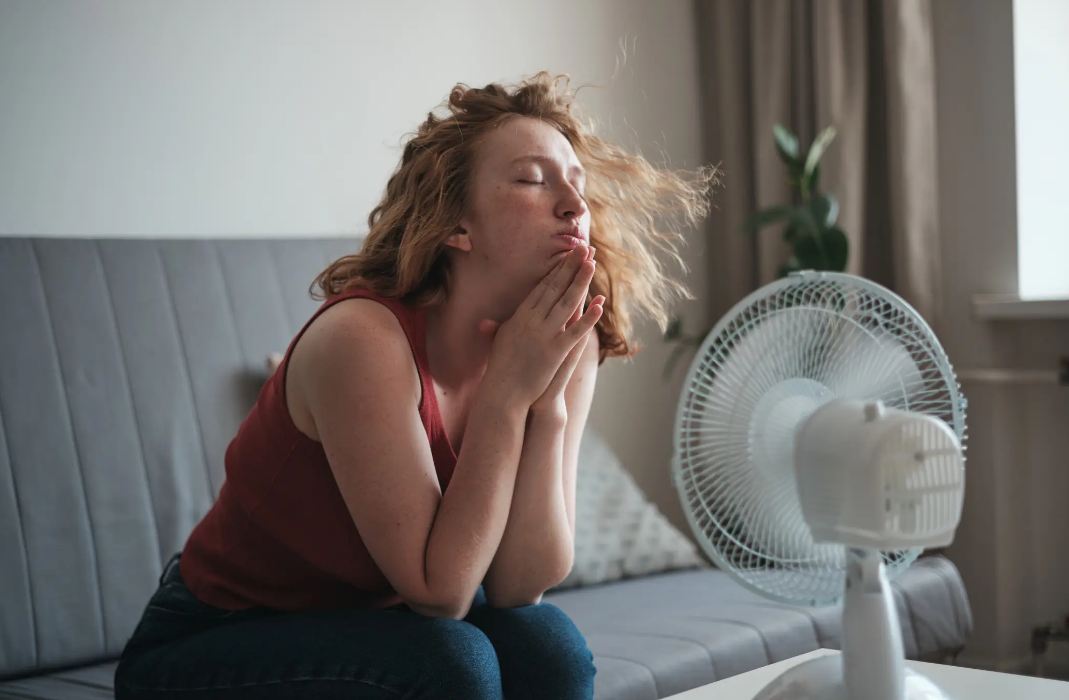
Another major issue is the way fans circulate air. While this helps cool a room, it also spreads dust, pollen, and other allergens. These tiny particles can be lifted from surfaces like bedding, floors, and furniture and kept moving throughout the night.
For people with allergies or asthma, this can worsen symptoms such as sneezing, coughing, or breathing difficulties. Even individuals without diagnosed conditions may experience irritation if exposed to these particles for hours while sleeping. Keeping the fan clean and the room dust-free can help reduce this risk, but it may not eliminate it entirely.
Muscle Stiffness and Body Temperature
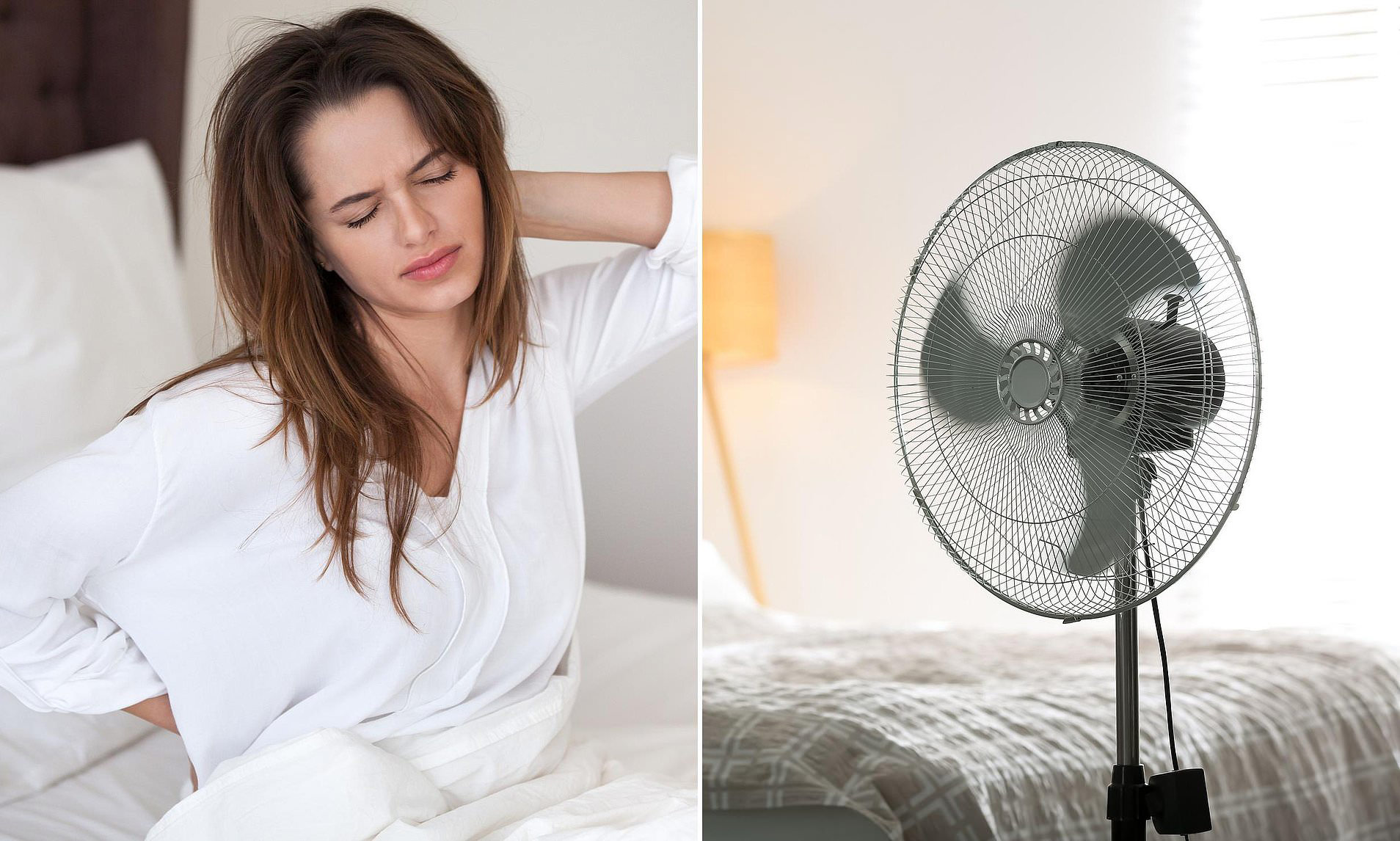
Sleeping with a fan blowing directly onto your body can also affect your muscles. Continuous exposure to cool air may cause muscles to tighten as a natural reaction to lower temperatures. This can lead to stiffness, especially in the neck and shoulders.
People who already have muscle pain or tension may notice these effects more strongly. Waking up with soreness after a night under direct airflow is a common complaint, particularly when the fan is positioned too close to the bed.
Dehydration and Fatigue
Another hidden issue is mild dehydration. When the body is exposed to continuous airflow, moisture can evaporate more quickly from the skin and airways. This can leave you feeling slightly dehydrated by morning, even if you don’t notice it immediately.
Dehydration can contribute to fatigue, headaches, and difficulty concentrating the next day. Drinking water before and after sleep can help, but it may not fully counteract the effects of prolonged exposure to dry air.
Is It Safe to Use a Fan at Night?
Despite these concerns, sleeping with a fan on is not necessarily dangerous for everyone. For many people, it remains a simple and affordable way to stay cool and improve comfort during hot nights. The key is using it wisely.
Experts suggest avoiding direct airflow, keeping the fan clean, and using a timer so it doesn’t run all night. Positioning the fan to circulate air rather than blow directly onto your body can also make a big difference.
Finding the Right Balance
In the end, whether or not you should sleep with a fan on depends on your personal comfort and health. If you notice symptoms like dryness, congestion, or muscle stiffness, it may be worth adjusting how you use it or limiting its use altogether.
A fan can be helpful, but like many everyday habits, it works best when used with awareness. Small changes in positioning and duration can help you stay cool without compromising your health.