Managing blood sugar levels is especially important for people with diabetes or insulin resistance, and diet plays a major role in that process. Fruit often becomes a confusing topic because it contains natural sugars, but the relationship between fruit and blood sugar is more complex than simply “good” or “bad.”
Most whole fruits contain fiber, water, vitamins, and antioxidants, which help slow down digestion and reduce rapid spikes in blood glucose. This means fruit can still be part of a healthy diet—even for people monitoring diabetes—when eaten in the right way and in appropriate portions.
Fruits That May Help Support Stable Blood Sugar
Certain fruits are generally considered better choices because they have a lower glycemic index (GI) and higher fiber content. These qualities help slow the release of sugar into the bloodstream.
Common examples include:
Apples
Pears
Berries (strawberries, blueberries, raspberries)
Cherries
Oranges
Grapefruit
Kiwi
Peaches
Plums
Apricots
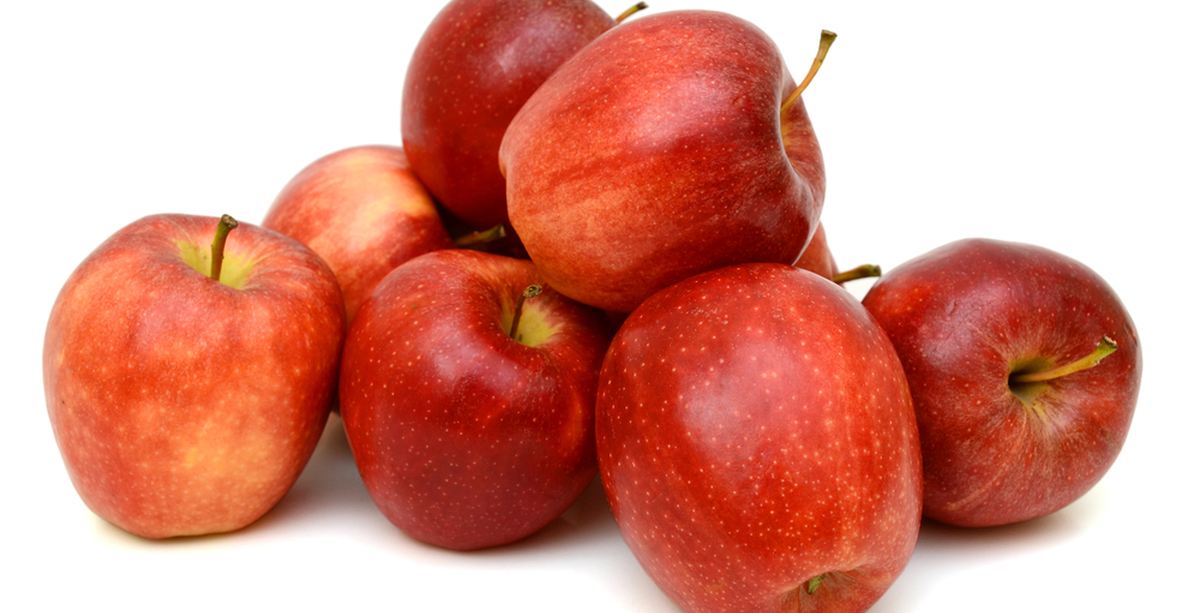
These fruits tend to be digested more slowly, which helps prevent sharp spikes in blood glucose levels. Berries are especially valued because they are low in sugar and rich in antioxidants, which may support overall metabolic health. The fiber in these fruits plays a key role by slowing carbohydrate absorption and improving satiety, which can also help with weight management—a factor closely linked to blood sugar control.
Why Some Fruits Are Better Than Others
The impact of fruit on blood sugar depends on several factors:
Fiber content: More fiber means slower sugar absorption
Ripeness: Riper fruit tends to contain more easily absorbed sugars
Portion size: Larger servings naturally increase sugar intake
Glycemic index: Measures how quickly food raises blood glucose
Whole fruits are generally far better than fruit juices or processed fruit products because fiber is often removed during processing. Without fiber, sugar enters the bloodstream much faster.
Fruits That May Raise Blood Sugar More Quickly
Some fruits contain higher levels of natural sugar or have a higher glycemic index, which means they can cause faster increases in blood glucose if eaten in large amounts.
These include:
Watermelon
Pineapple
Mango
Bananas (especially very ripe ones)
Grapes
Cherries in large quantities
Dates
Figs
Raisins and other dried fruits
Dried fruits are particularly concentrated sources of sugar because the water has been removed, making it easy to consume a large amount of sugar quickly without realizing it. Fruit juices also fall into this category because they lack fiber and can behave more like sugary drinks than whole fruit.
Important Reality: Fruit Is Not the Enemy
One of the biggest misconceptions is that people with diabetes must avoid fruit entirely. In reality, most health experts agree that complete avoidance is unnecessary and often not recommended. Instead, the focus should be on:
Choosing whole fruit over processed forms
Controlling portion sizes
Balancing fruit with protein or healthy fats
Spreading fruit intake throughout the day
For example, eating an apple with a handful of nuts can slow digestion and reduce blood sugar spikes compared to eating the apple alone on an empty stomach.
Practical Tips for Better Blood Sugar Management
If you are trying to maintain stable glucose levels, these strategies can help:
Prefer berries, apples, pears, and citrus fruits most often
Limit large portions of tropical fruits like mango and pineapple
Avoid fruit juice and smoothies with added sugar
Be cautious with dried fruits due to high sugar concentration
Combine fruit with yogurt, nuts, or meals for better balance
Monitor your personal response, since individuals react differently
Everyone’s body responds uniquely to carbohydrates, so tracking your own blood sugar response can be very helpful in identifying which fruits work best for you.

Conclusion
Fruit can be both nutritious and compatible with blood sugar management when chosen wisely. The key is not elimination, but balance, portion control, and awareness of how different fruits affect your body. Low-GI fruits like berries, apples, and citrus are generally the most stable choices, while high-sugar or dried fruits should be eaten more carefully. By focusing on whole, fiber-rich fruits and mindful eating habits, it is possible to enjoy fruit while still maintaining healthy blood sugar levels.