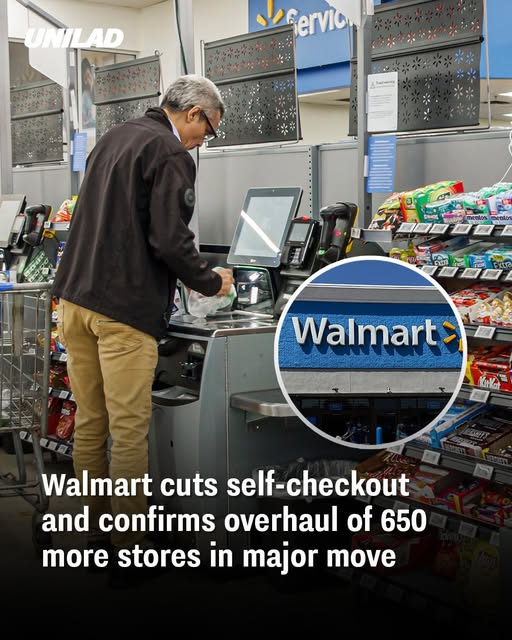
Shopping at Walmart could soon look very different. The retail giant is making a significant change by reducing or even removing self-checkout machines in some locations, signaling a shift back toward traditional cashier-led lanes. The move is part of a broader strategy that reflects changing customer behavior, rising theft concerns, and a rethinking of how technology fits into the in-store experience.
Why Walmart Is Removing Self-Checkout
Self-checkout systems were originally introduced to make shopping faster and more convenient. However, in practice, they have created unexpected challenges. One of the biggest issues is theft. Retailers have found that both intentional and accidental “skip-scanning” has led to major financial losses.
Recent data shows that theft rates at self-checkout stations can be significantly higher than at staffed registers. In some cases, losses are reported to be many times greater, forcing companies like Walmart to reconsider their approach.
Surveys also reveal that a notable percentage of customers admit to either intentionally or accidentally not scanning items properly, further contributing to the problem.
Real Changes Already Happening
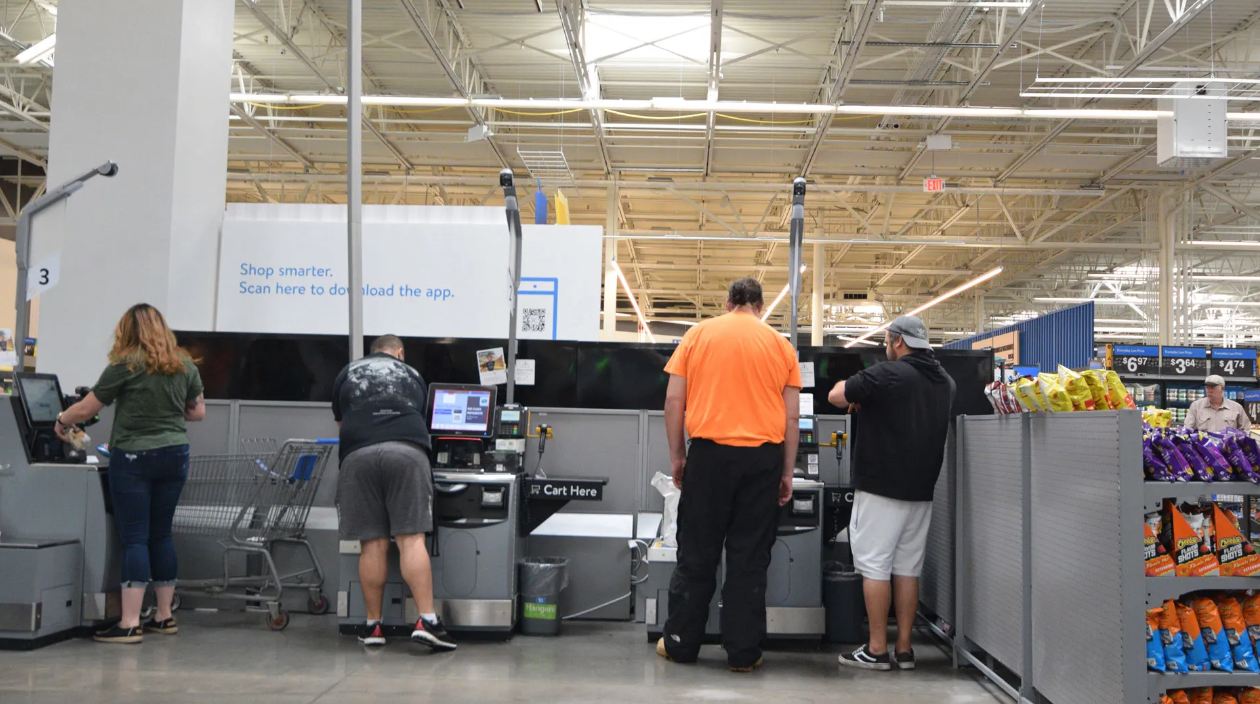
The shift is not just theoretical—it’s already happening in stores. One Walmart location in South Philadelphia has completely removed self-checkout lanes and replaced them with staffed registers.
This change followed an internal review of customer habits and store performance. According to company statements, the goal is to improve efficiency, reduce losses, and create a smoother checkout experience for shoppers.
Other locations are expected to follow, especially in areas where theft or operational issues have been particularly high.
A Bigger Overhaul Across Hundreds of Stores
The decision to cut back on self-checkout is part of a much larger transformation. Walmart has announced plans to remodel more than 650 stores across the United States.
These upgrades will include redesigned layouts, improved technology, and more staffed checkout lanes. Instead of relying heavily on automation, the company is now focusing on a balance between technology and human interaction.
Retail experts say this reflects a broader trend across the industry, as companies realize that fully automated systems don’t always deliver the expected benefits.
Other Retailers Are Doing the Same
Walmart is not alone in this shift. Other major retailers, including Target, Costco, and Dollar General, are also scaling back self-checkout or introducing stricter rules.
Some stores now limit the number of items customers can scan themselves, while others are increasing staff presence to monitor self-checkout areas more closely.
At the same time, lawmakers in several U.S. states are considering new regulations, such as requiring a minimum number of staff per self-checkout machines or setting limits on how many items can be processed.
What This Means for Shoppers
For customers, the changes could be noticeable. While self-checkout offered speed and independence, it often came with frustrations—glitches, unexpected errors, and long lines when machines failed or required assistance.
By bringing back more cashiers, Walmart hopes to create a smoother and more reliable checkout process. However, some shoppers who prefer self-service may see this as a step backward.
Importantly, self-checkout is not disappearing entirely. Walmart is still investing in alternatives like mobile “Scan & Go” technology, which allows customers to scan items as they shop and pay digitally.
Conclusion
Walmart’s decision to scale back self-checkout marks a turning point in retail strategy. What was once seen as the future of shopping is now being reassessed in light of real-world challenges like theft, customer frustration, and operational inefficiencies.
As the company remodels hundreds of stores and reintroduces more human interaction, the shopping experience is shifting again—this time toward a balance between convenience, security, and service.