
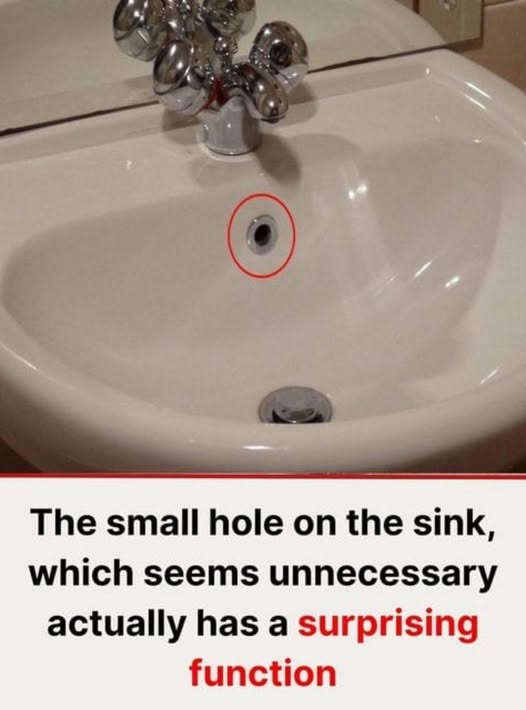
Many people notice a small, often overlooked opening in or near a sink and assume it has no real purpose. In reality, this feature is carefully designed and plays an important role in preventing water damage and improving how your sink works.
It’s Called the Overflow Hole
That small opening is known as an overflow hole. It is usually located near the top inside edge of the sink basin, just below the rim. Its main job is to act as a safety backup system for your sink.
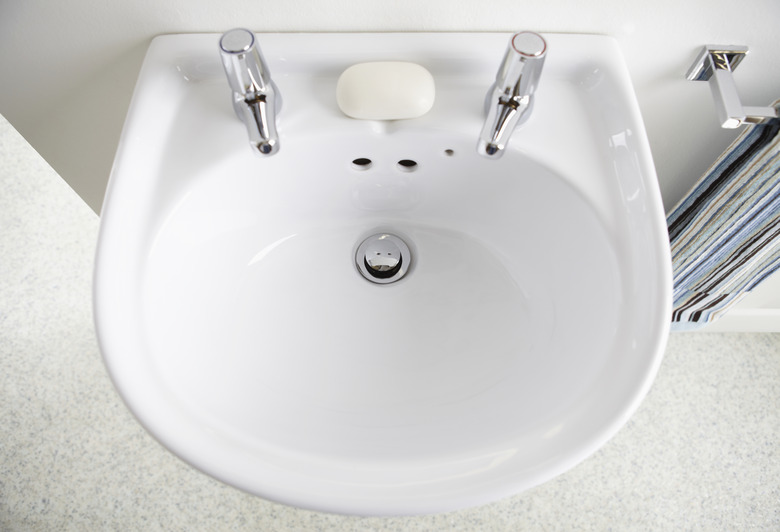
If you accidentally leave the tap running or the drain becomes blocked, water rises to a certain level. Before it can spill over the edge of the sink, the overflow hole redirects it into a hidden channel connected to the main drain. This helps prevent flooding in your bathroom or kitchen.
How It Protects Your Home
The overflow system is essentially a built-in safeguard. When water reaches the level of the hole, it flows through internal passages and joins the main drainage pipe. This means the sink has a “backup exit” for excess water. Without this feature, even a few minutes of distraction—like forgetting the tap on while answering a phone call—could lead to water spilling onto floors, cabinets, and potentially causing expensive damage.
It Also Helps Water Drain Faster
The overflow hole doesn’t only prevent flooding—it also improves drainage. When water flows out of the sink, air needs to move through the plumbing system. The overflow channel allows air to enter the drainpipe, reducing air pressure and helping water flow more smoothly and quickly. Without this airflow, sinks can sometimes drain slowly or make gurgling sounds.
Not Every Sink Has One
Interestingly, not all sinks include this feature. Many kitchen sinks, for example, are designed without overflow holes because of differences in usage and hygiene considerations. Bathroom sinks are more likely to have them since they are often filled and left unattended for short periods.
Why People Don’t Notice It
The overflow hole is designed to be discreet. It blends into the sink’s shape and is often hidden under the faucet area or near the upper curve of the basin. Because it rarely needs to activate, most people use their sinks for years without ever thinking about it.
Final Thoughts
That small opening beneath or inside your sink is not a design mistake or decoration—it’s a simple but clever safety feature. It quietly protects your home from water overflow, helps improve drainage, and works in the background every time you use the sink. In short, it’s one of those everyday engineering details you rarely notice—but would definitely miss if it weren’t there.
Conclusion
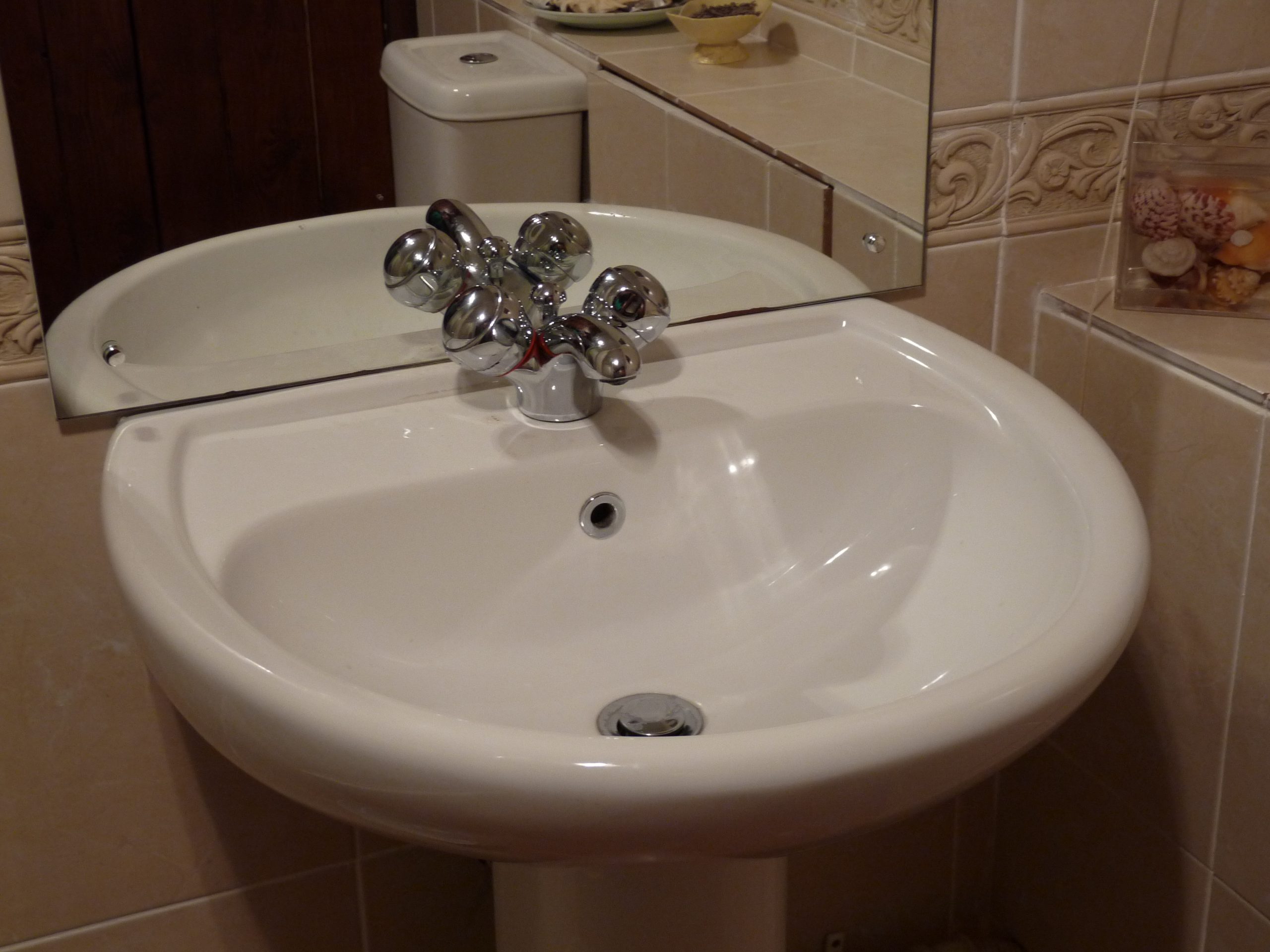
The small opening in your sink—known as the overflow hole—is a simple but important safety feature. It prevents water from spilling over if the tap is left running or the drain becomes blocked, helping to protect your home from potential water damage. At the same time, it improves drainage by allowing air into the plumbing system, making water flow more efficiently. Although it often goes unnoticed, this small design detail plays a practical role in everyday life. It’s a good example of how even the most ordinary household fixtures are carefully engineered to combine convenience, safety, and functionality.