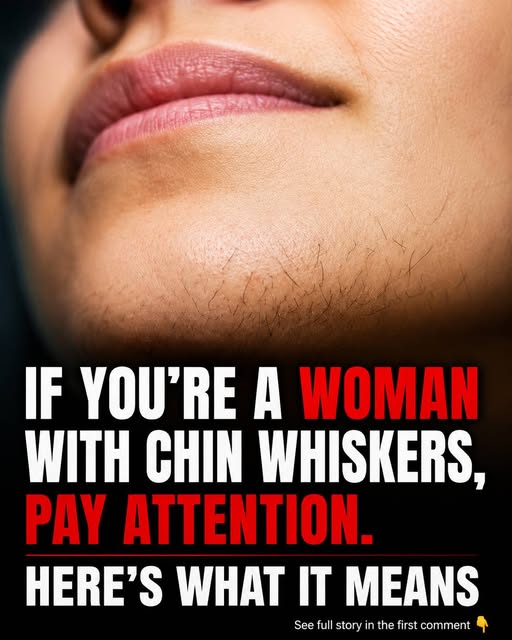
Many women experience a surprising moment at some point in life: discovering a thick, dark chin hair that seemingly appeared overnight. While it can feel alarming or embarrassing, experts say occasional chin whiskers are actually very common and are usually linked to hormones, genetics, or aging.
The sudden appearance of coarse facial hairs often becomes more noticeable during major hormonal changes such as puberty, pregnancy, perimenopause, or menopause. In many cases, the change is completely harmless. However, doctors say excessive or rapidly increasing facial hair can sometimes signal an underlying medical issue.
The Science Behind Chin Hair
Everyone has facial hair, but most of it is extremely fine and light-colored. These soft hairs are known as vellus hairs, often called “peach fuzz.” Under certain hormonal conditions, some of these follicles transform into thicker, darker terminal hairs — the kind people commonly describe as whiskers. The main driver behind this transformation is androgen hormones such as testosterone. Although testosterone is often labeled a male hormone, women naturally produce it too in smaller amounts. When hormone levels shift or hair follicles become more sensitive to these hormones, facial hair growth can increase. Some women only develop one or two stubborn hairs, while others experience broader growth across the chin, jawline, upper lip, or neck. Genetics also play a major role. If female relatives experienced chin hair as they aged, there is a good chance future generations may notice the same pattern.
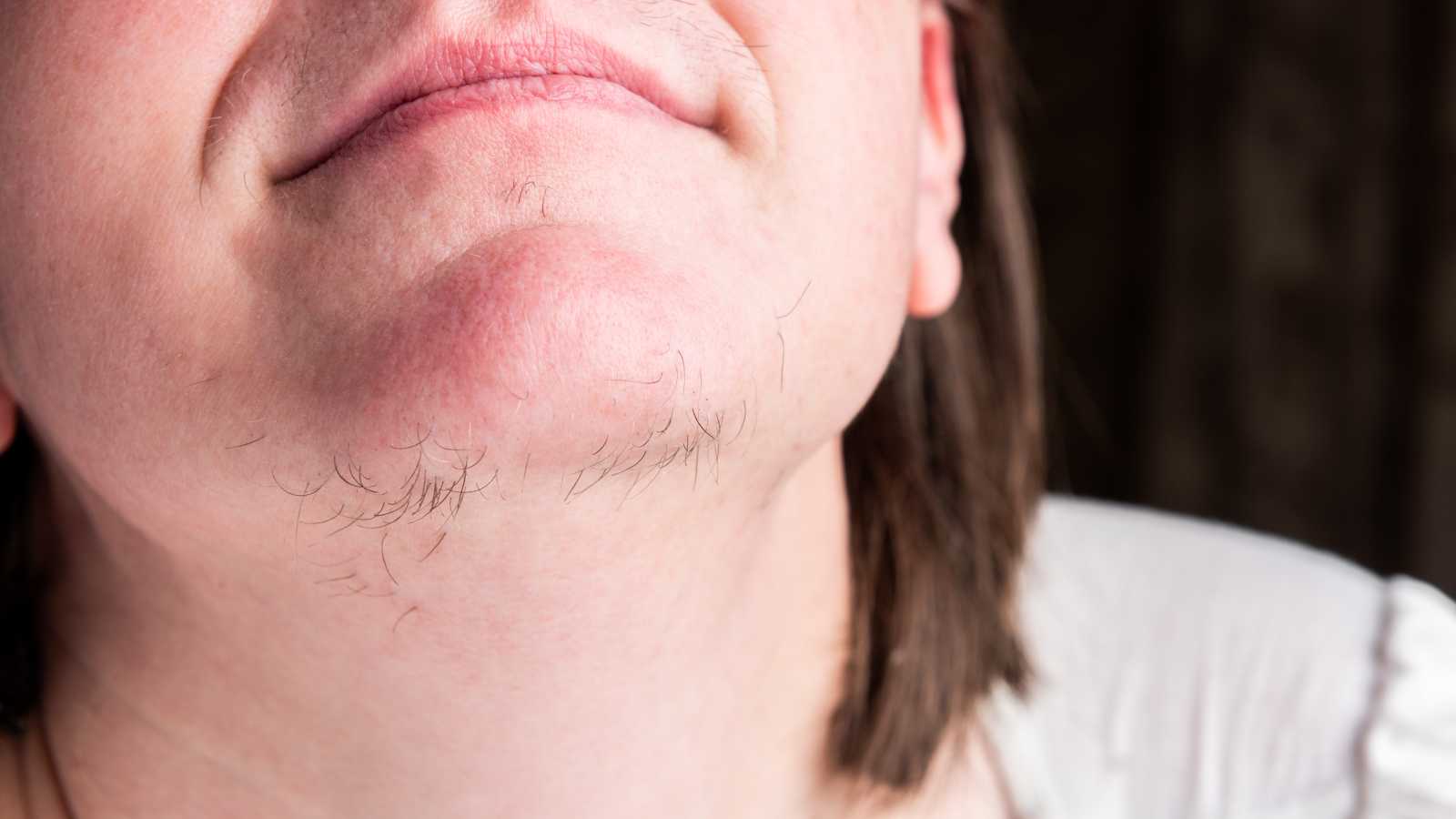
Aging and Menopause Are Major Factors
One of the most common causes of chin whiskers is aging. During menopause, estrogen levels drop significantly while androgen hormones become more noticeable by comparison. This hormonal imbalance can stimulate dormant facial hair follicles. Many women report that chin hairs suddenly become thicker and more frequent in their 40s and 50s. Online discussions show how widespread the experience really is. On Reddit, countless women described discovering long, coarse chin hairs seemingly out of nowhere and joked about constantly carrying tweezers. Some commenters explained that the hairs appear “overnight,” while others said they notice them more during perimenopause. Several women also mentioned that facial hair patterns often run in families.
When Chin Hair Might Signal a Health Problem
Although occasional chin whiskers are usually harmless, doctors say excessive facial hair growth can sometimes indicate a condition called hirsutism. This term describes male-pattern hair growth in women. One of the most common causes is Polycystic Ovary Syndrome (PCOS), a hormonal disorder affecting millions of women worldwide. PCOS may cause:
Increased facial hair
Irregular menstrual cycles
Acne
Weight gain
Thinning scalp hair
Other possible causes include thyroid disorders, adrenal gland conditions, certain medications, or hormone-related treatments. Experts recommend seeing a doctor if facial hair growth becomes sudden, severe, or is accompanied by other symptoms such as fatigue, voice changes, or irregular periods.
The Best Ways to Remove Chin Hair
For women who prefer removing chin hairs, there are several safe options available. Tweezing remains one of the most common methods for isolated hairs because it is quick, inexpensive, and effective.
Other popular methods include:
Waxing
Threading
Dermaplaning
Laser hair removal
Electrolysis
Laser hair removal can provide longer-lasting results, although experts note it may be less effective for hormonally driven hair growth or very light-colored hair. Electrolysis is considered one of the few permanent hair removal methods because it destroys the follicle directly.

A Surprisingly Common Experience
Despite the embarrassment many people feel about facial hair, doctors emphasize that chin whiskers are extremely common. Studies estimate that between 5% and 10% of women experience noticeable male-pattern facial hair growth, while occasional chin hairs are even more widespread. Experts say understanding the hormonal and genetic causes behind chin whiskers can help reduce unnecessary anxiety. In most cases, those stubborn hairs are simply a normal part of the body’s changing biology rather than a serious health concern.