Millions of households around the world use rice cookers every day, yet many owners pay little attention to one of the accessories that comes with the appliance the rice paddle. While it may seem like a simple serving utensil, the paddle is actually designed with a very specific purpose in mind.
Unlike ordinary spoons, the rice paddle is carefully shaped to help handle cooked rice without damaging its texture or the inner surface of the rice cooker. Understanding why it looks different and how it should be used can help improve both your cooking results and the lifespan of your appliance.
Why the Paddle Has a Unique Shape
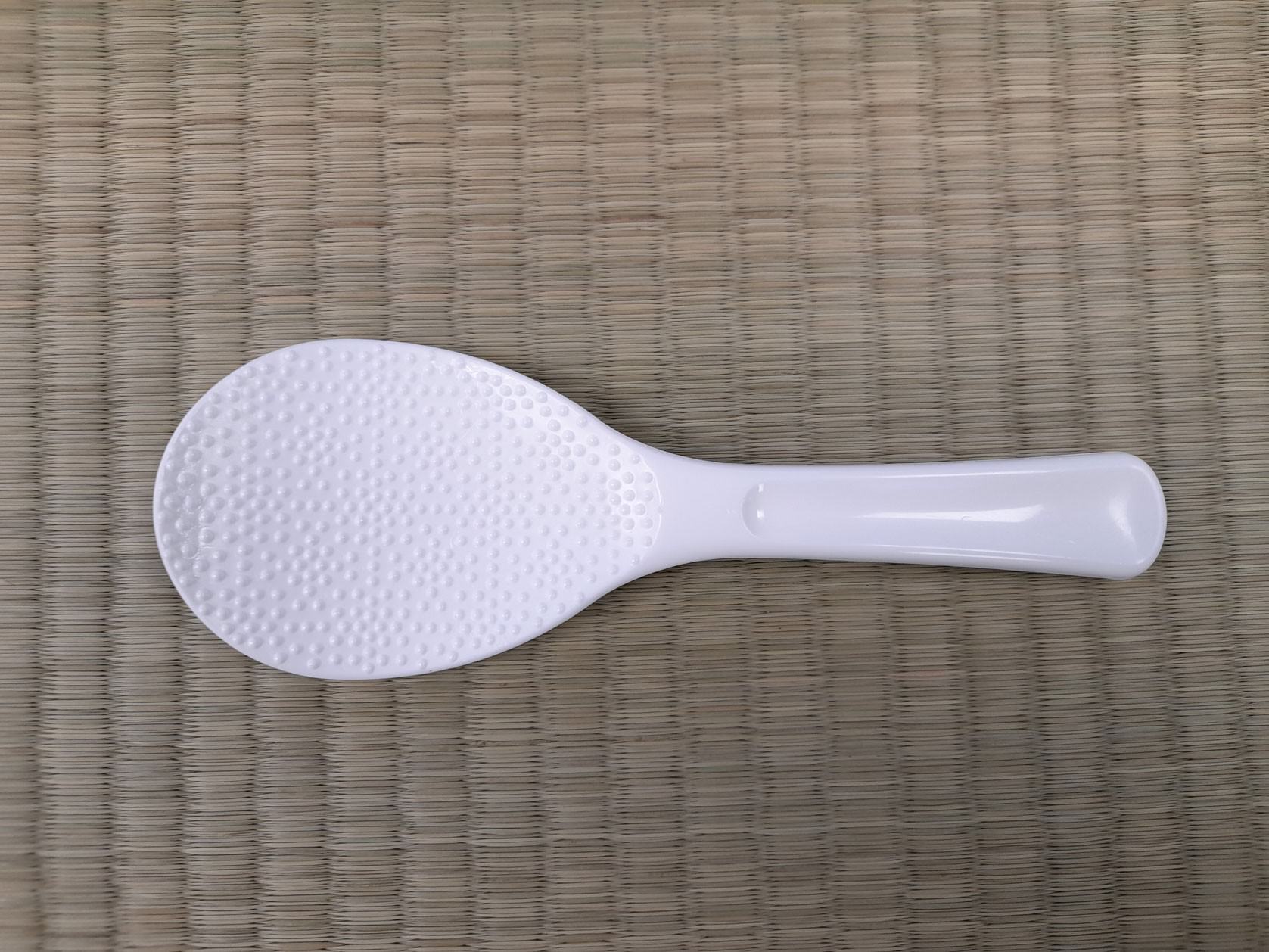
The first thing many people notice about a rice paddle is its broad, flat surface. This design allows users to gently lift and separate cooked rice rather than crushing or compacting it. After rice finishes cooking, grains contain moisture and steam. Stirring the rice with a regular metal spoon can compress the grains, making the texture sticky or uneven. The flat paddle helps fluff the rice while allowing excess steam to escape, resulting in lighter and more evenly textured servings. Its wider shape also makes it easier to scoop rice from the corners of the cooking pot without scraping aggressively against the surface.
The Textured Surface Has a Purpose
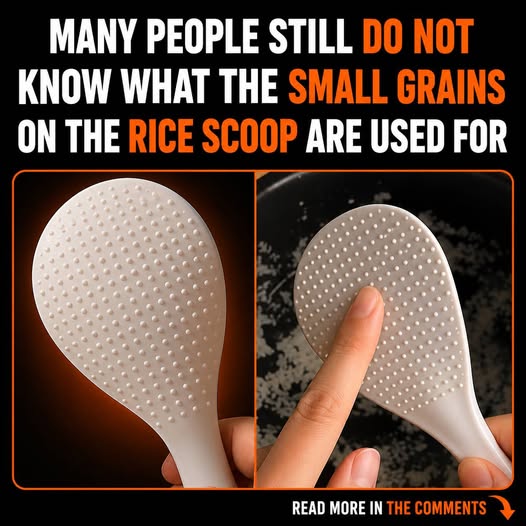
Many rice paddles feature a pattern of small bumps or ridges across the surface. These are not decorative details. The textured design reduces the amount of rice that sticks to the paddle during serving. Cooked rice naturally contains starch, which can make grains cling to utensils. By minimizing the contact area between the rice and the paddle, manufacturers help prevent sticking and make serving easier. Some users find that lightly wetting the paddle with water before serving further reduces sticking and helps create cleaner scoops.
Protecting the Non-Stick Coating
One of the most important reasons for using the included paddle is to protect the inner cooking pot. Most modern rice cookers contain a non-stick coating that can become scratched or damaged by metal utensils. Even small scratches may reduce the effectiveness of the coating over time and can make cleaning more difficult. The plastic or specially designed material used in rice paddles is much gentler on the cooking surface. Using the paddle provided by the manufacturer can help preserve the condition of the inner pot for years.
The Best Way to Fluff Rice
Many people simply scoop rice directly after cooking, but experts often recommend fluffing it first. Once the rice cooker switches to its warming mode, allow the rice to rest for several minutes. Then use the paddle to gently fold and turn the rice from the bottom upward. This process releases trapped steam and distributes moisture more evenly throughout the pot. Proper fluffing can improve texture, prevent clumping, and create a more consistent final result.
More Than Just a Rice Tool
Although designed for rice, the paddle can be useful for other foods as well. Its broad surface works well for serving grains such as quinoa, couscous, or barley. It can also be used to mix ingredients gently without crushing delicate foods. Some home cooks even use rice paddles when preparing sushi rice because the flat shape allows for careful mixing while helping preserve the integrity of the grains.
Small Tool, Big Difference
At first glance, the rice paddle may seem like a minor accessory, but it was created to solve several common problems associated with cooking and serving rice. From reducing sticking and protecting non-stick coatings to improving texture and making serving easier, every aspect of its design serves a practical purpose. The next time you prepare rice, consider reaching for the paddle instead of a regular spoon. This simple tool can help keep your rice cooker in better condition while ensuring your rice remains fluffy, light, and ready to enjoy.