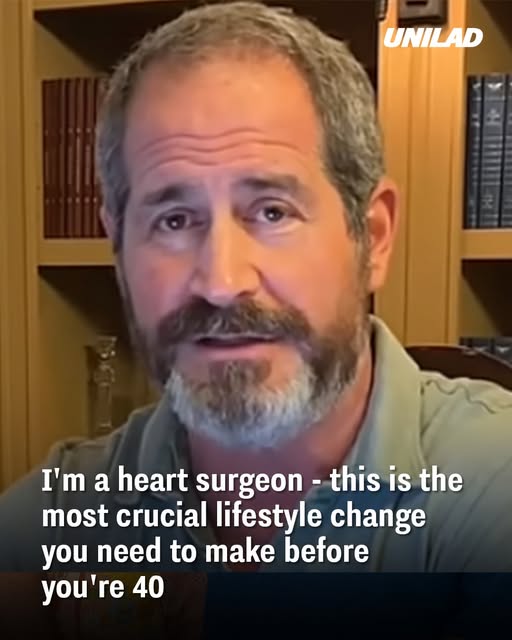
Heart disease remains one of the leading causes of death worldwide, but medical experts continue to emphasize that many cases can be prevented through healthy lifestyle choices. While modern medicine has made incredible advances in treating heart conditions, many heart surgeons agree that prevention is still the most effective strategy.
Rather than waiting for symptoms to appear, adopting healthy daily habits can significantly reduce the risk of developing cardiovascular disease. Small, consistent improvements often have a much greater impact than temporary diets or intense fitness programs that are difficult to maintain. According to cardiovascular specialists, the key is creating a lifestyle that supports long-term heart health instead of looking for quick fixes or miracle solutions. Research consistently shows that healthy habits can lower the likelihood of heart attacks, strokes, and other serious cardiovascular problems.
The Importance of Daily Movement
Among the many lifestyle changes that benefit the heart, regular physical activity stands out as one of the most effective. Heart surgeons often encourage patients to make exercise a normal part of everyday life rather than viewing it as an occasional task. Walking is frequently recommended because it is simple, requires no special equipment, and is suitable for people of different fitness levels. Even a brisk 30-minute walk most days of the week can improve circulation, strengthen the heart muscle, reduce blood pressure, and help maintain a healthy weight. Experts also suggest incorporating strength training and flexibility exercises throughout the week. Building muscle not only improves physical fitness but also helps regulate blood sugar levels and supports a healthy metabolism, reducing strain on the cardiovascular system.

Healthy Habits Go Beyond Exercise
Although physical activity is essential, heart health depends on several lifestyle factors working together. A balanced diet rich in vegetables, fruits, whole grains, lean proteins, healthy fats, and fiber provides the nutrients the heart needs to function properly. Reducing highly processed foods, excessive sugar, and saturated fats can lower cholesterol and improve overall cardiovascular health. Quality sleep is another often overlooked factor. Adults who regularly get seven to nine hours of sleep each night generally have lower risks of high blood pressure, obesity, and diabetes, all of which are linked to heart disease. Managing stress is equally important. Chronic stress may contribute to elevated blood pressure and unhealthy behaviors such as overeating or smoking. Relaxation techniques, hobbies, meditation, and spending time with family or friends can all help reduce stress levels.
Breaking Harmful Habits
One of the biggest threats to heart health remains smoking. Tobacco damages blood vessels, raises blood pressure, and dramatically increases the risk of heart attacks and strokes. Quitting smoking begins to improve cardiovascular health almost immediately, with benefits continuing to grow over time. Many specialists also recommend limiting alcohol consumption. Excessive drinking can increase blood pressure, contribute to irregular heart rhythms, and add unnecessary calories that lead to weight gain. For some individuals, avoiding alcohol altogether may provide the greatest health benefits.
Consistency Makes the Difference
Heart surgeons often remind patients that there is no single magic solution for lifelong heart health. Instead, lasting success comes from maintaining healthy habits every day. Simple actions such as taking the stairs, preparing nutritious meals at home, staying hydrated, scheduling regular health check-ups, and remaining physically active all contribute to better cardiovascular health over time. Regular medical screenings are also valuable because they can detect high blood pressure, elevated cholesterol, or diabetes before they lead to more serious complications. Early treatment combined with lifestyle improvements offers the best opportunity to prevent future heart problems.

Building a Healthier Future
Improving heart health does not require dramatic lifestyle changes overnight. Instead, experts encourage people to focus on gradual improvements that can realistically become lifelong habits. Choosing to move more each day, eating nutritious foods, getting enough sleep, managing stress, and avoiding harmful habits creates a powerful foundation for cardiovascular health. These changes not only protect the heart but also improve energy levels, mental well-being, and overall quality of life. While genetics and age cannot be changed, daily choices remain one of the strongest influences on heart health. By making consistent, healthy decisions, people can significantly reduce their risk of cardiovascular disease and enjoy healthier lives for many years to come.