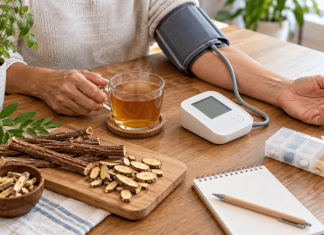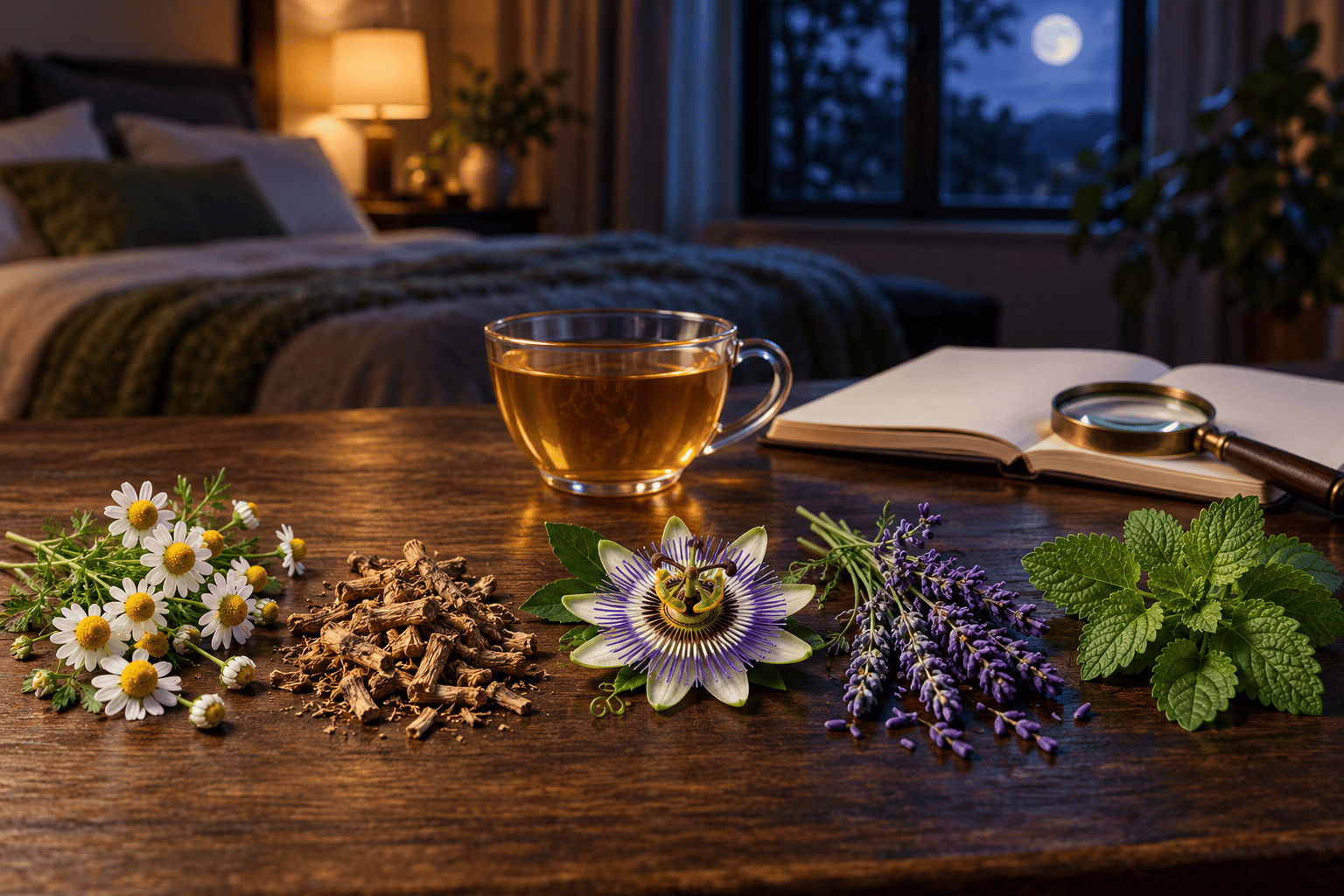
Herbal teas, tinctures and nighttime blends are often sold with soft colors, sleepy moons and reassuring words. That can make the science feel settled. It is not. Among the five herbs people most often reach for at bedtime, none has strong, consistent evidence that it reliably treats chronic insomnia. A few show interesting early signals, while others are supported more by tradition and ritual than by convincing clinical trials.
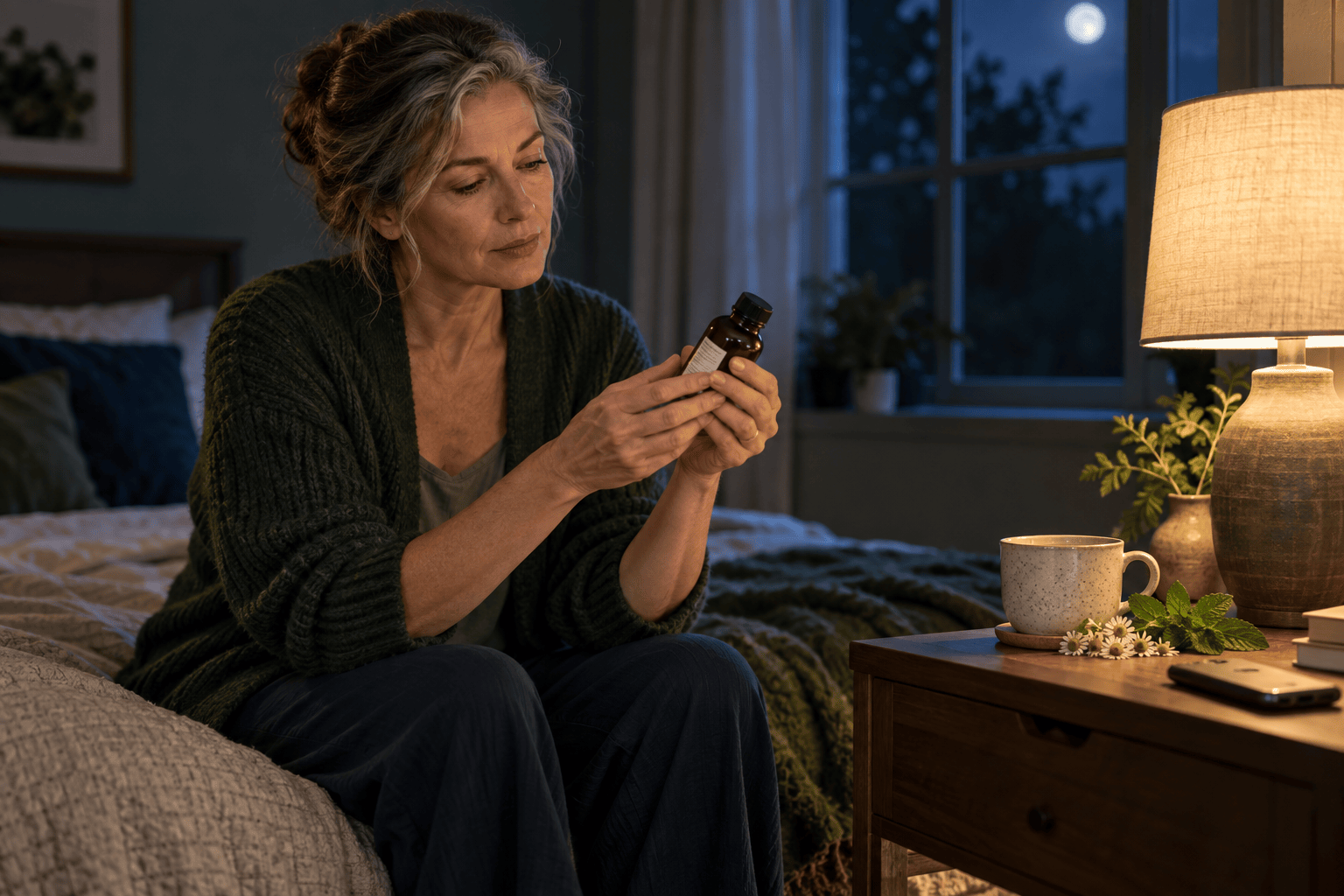
That does not mean every cup of tea is useless. A warm drink, a familiar scent and a quiet routine may help the body slow down. It does mean that feeling relaxed after a ritual is different from proving that one plant changes sleep in a meaningful and repeatable way. The form also matters: tea, essential oil, standardized extract and a multi-ingredient supplement are not interchangeable.
The quick evidence snapshot
| Herb | Evidence signal | Practical verdict |
| Passionflower | Limited but interesting | Small studies suggest a possible benefit for some sleep measures, but results are mixed. |
| Lavender | Unclear | May support relaxation; evidence for insomnia or sleep quality remains uncertain. |
| Valerian | Inconsistent | Trials do not show a dependable benefit, and sleep guidelines do not recommend it for chronic insomnia. |
| Chamomile | Insufficient | Tea may feel soothing, but clinical evidence for insomnia is not convincing. |
| Lemon balm | Early and limited | A few small studies are promising, but product-specific findings cannot be generalized to every tea or extract. |
Passionflower has the most interesting limited signal
Passionflower may be the surprise in this group. The National Center for Complementary and Integrative Health says a small amount of research suggests that oral passionflower might improve total sleep time in adults with insomnia. However, findings for falling asleep faster and staying asleep are mixed. That is promising enough to justify more research, but not strong enough to call passionflower a proven sleep treatment.
The word might is doing important work here. Existing studies are generally small, use particular extracts or teas and do not always measure the same outcomes. A result from one standardized product cannot automatically be transferred to any loose-leaf tea or supplement carrying the same plant name.
Lavender may calm the room but the sleep evidence is unclear
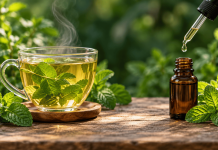
Lavender is closely tied to relaxation, and its aroma may make a bedtime routine feel calmer. Yet the NCCIH notes that it is unclear whether lavender aromatherapy improves sleep quality or insomnia because the research is limited and not consistently rigorous. The scent can still be pleasant and meaningful, but that is not the same as a reliable clinical effect.
It is also important to separate aromatherapy from oral lavender products. Essential oils are concentrated, and a product intended for a diffuser or the skin should not be swallowed simply because the source plant is familiar. The route, concentration and safety profile can be very different.
Valerian has been studied often but the results remain inconsistent
Valerian may be the best-known herbal sleep supplement, which makes the evidence especially surprising. Studies have produced inconsistent results, and the NCCIH says the value of valerian for insomnia has not been demonstrated. The American Academy of Sleep Medicine recommended against using valerian for chronic insomnia in adults in its 2017 clinical practice guideline.
This does not mean no individual will ever feel drowsy after taking it. It means researchers have not found a dependable benefit that outweighs the uncertainty. Short-term use appears reasonably tolerated by many adults, but long-term safety is unknown. Valerian should not be combined casually with alcohol or sedating medicines because the effects may add up.
Chamomile is comforting but comfort is not proof
Chamomile tea is gentle, familiar and woven into many evening routines. Those qualities can make it an excellent signal that the day is ending. When the question is whether chamomile itself treats insomnia, however, the answer is much less satisfying. NCCIH says there is not enough reliable evidence to rate its usefulness for insomnia, and a review it cites found no benefit in the one included insomnia study.
For many people, ordinary amounts of chamomile tea are likely to be well tolerated. Still, natural does not mean risk-free. People with allergies to ragweed, chrysanthemums, marigolds or related plants may be more likely to react, and chamomile can interact with some medicines. The soothing ritual may be real even when the specific sleep claim remains unproven.
Lemon balm is promising but the product matters
Lemon balm has gained attention as a calming herb. Recent small trials of specific standardized extracts have reported improvements in sleep measures, while earlier research often studied lemon balm together with other ingredients or in narrowly defined groups. Those findings are interesting, but they do not yet establish that a typical cup of lemon balm tea will treat insomnia in the general population.
This is a recurring problem in herbal research. If a proprietary extract has a particular concentration and delivery system, its result cannot be copied onto every tea bag, tincture or combination product. Larger independent trials are still needed to determine which preparation, dose and population might benefit.
Why sleep herb studies are so hard to compare
Two products with the same herb on the front label may contain very different amounts of active compounds. Researchers may also define success differently: one study measures total sleep time, another asks how rested people feel, and another focuses on how long it takes to fall asleep. Some trials last only a few nights and include very few participants. Others combine several herbs, so it is impossible to know which ingredient caused any change.
There is also a powerful ritual effect. Dimming the lights, putting the phone away and drinking something warm can reduce stimulation even if the herb itself adds little. That is not imaginary, but it should not be confused with evidence that a supplement treats chronic insomnia.
What to do before trying an herbal sleep product
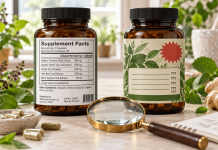
First, check the complete ingredient list rather than relying on the plant pictured on the front. Multi-ingredient blends can contain several sedating substances, added melatonin or compounds that interact with medicines. Avoid combining sleep herbs with alcohol, prescription sedatives or other products that cause drowsiness unless a qualified clinician or pharmacist has reviewed the combination.
People who are pregnant or breastfeeding, preparing for surgery, managing liver or kidney disease, or taking regular medication should seek professional advice before using concentrated herbal products. Do not drive or operate machinery if a product makes you drowsy. If you experience swelling, trouble breathing, severe dizziness or another concerning reaction, stop using the product and seek medical help.
When a sleep problem needs more than a tea
Occasional restless nights are common. Ongoing insomnia, loud snoring with choking or gasping, uncomfortable urges to move the legs, repeated morning headaches or dangerous daytime sleepiness deserve proper evaluation. These symptoms can point to a sleep disorder or another health issue that an herbal product will not address.
For chronic insomnia, cognitive behavioral therapy for insomnia, often called CBT-I, has far stronger support than any herb on this list. It targets the patterns and behaviors that keep insomnia going rather than simply adding a sedating ingredient at bedtime. A clinician can also help identify whether pain, medication, menopause, anxiety, depression, sleep apnea or another condition is disrupting sleep.
The bottom line
None of these five herbs has strong, consistent evidence that it reliably treats chronic insomnia. Passionflower has a limited but interesting signal. Lavender may help create a relaxing environment, but its effect on insomnia remains unclear. Valerian results are inconsistent, chamomile is supported more by tradition than convincing trials, and lemon balm still needs larger independent studies of clearly defined products.
A bedtime tea can still be part of a pleasant wind-down routine. The honest promise is modest: it may help you slow down. It should not be sold as a guaranteed solution, and it should not delay an evaluation when sleep problems persist.
Editorial note
This article is for general education and is not a diagnosis or treatment plan. Herbal products can cause side effects and interact with medicines. Readers with persistent sleep problems or questions about a specific product should consult a qualified health professional.