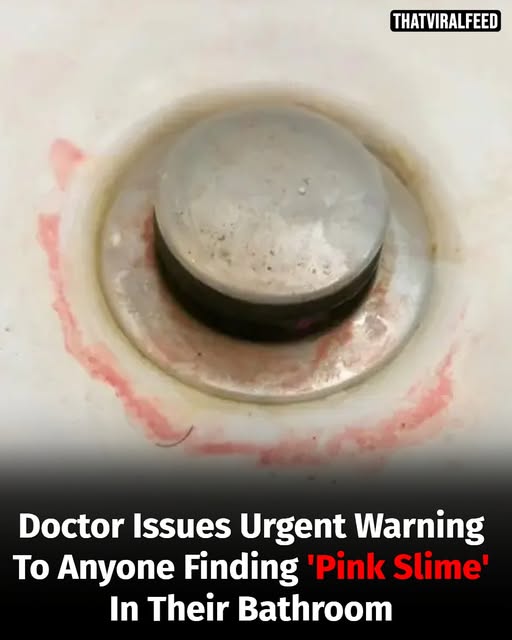
That strange pink or reddish film you sometimes see around your sink, shower, or toilet is not actually mold. In most cases, it’s caused by a common airborne bacterium called Serratia marcescens.
This bacteria naturally exists in the environment—air, water, and soil—and can easily enter your home through dust or moisture. Once it lands on damp surfaces, it forms a slimy film that appears pink or orange due to a pigment it produces.
Why It Appears in Bathrooms
Bathrooms provide the perfect conditions for this bacteria to grow. Warm temperatures, constant moisture, and leftover soap or shampoo residue create an ideal environment. The bacteria actually feeds on fatty deposits found in products like soap and body wash. That’s why it often shows up in places like:
Shower corners and curtains
Sink drains and faucets
Toilet bowls
Tile grout

Poor ventilation makes the problem worse, as moisture stays trapped and allows the bacteria to multiply quickly.
Is It Dangerous?
For most healthy people, Serratia marcescens is generally harmless. However, it shouldn’t be ignored completely.
It can cause issues if it enters the body through:
Open wounds
Eyes
The respiratory system
People with weakened immune systems are at higher risk of infections, including urinary or respiratory problems. So while it’s not as dangerous as black mold, it’s still something you don’t want building up in your home.
Common Misconceptions
One of the biggest myths is that pink slime is mold. In reality, it’s a bacterial biofilm, not a fungus. Another misconception is that it comes from dirty water. In most cases, it’s actually airborne and settles on wet surfaces—it’s not a sign that your tap water is contaminated.
How to Get Rid of It
The key to removing pink slime is regular cleaning and moisture control. Experts recommend:
Scrubbing affected areas with a bleach or vinegar solution
Letting the cleaner sit before rinsing
Cleaning at least once a week
Because the bacteria forms a biofilm, simply rinsing with water is not enough—you need to physically scrub it away.
How to Prevent It From Coming Back
Prevention is just as important as cleaning. To reduce the chances of it returning:
Keep bathroom surfaces dry after use
Improve ventilation (use a fan or open a window)
Fix leaks or standing water
Clean soap residue regularly
Even with good hygiene, it can come back because the bacteria is everywhere—but reducing moisture makes a big difference.
Conclusion
Pink slime in your bathroom might look alarming, but it’s usually just a common bacteria thriving in damp conditions. People with weakened immune systems are at higher risk of infections, including urinary or respiratory problems. So while it’s not as dangerous as black mold, it’s still something you don’t want building up in your home.While it’s not typically dangerous, it can pose risks in certain situations and should be cleaned regularly. The main takeaway is simple: keep your bathroom clean, dry, and well-ventilated. That’s the most effective way to stop this stubborn pink buildup from taking over.