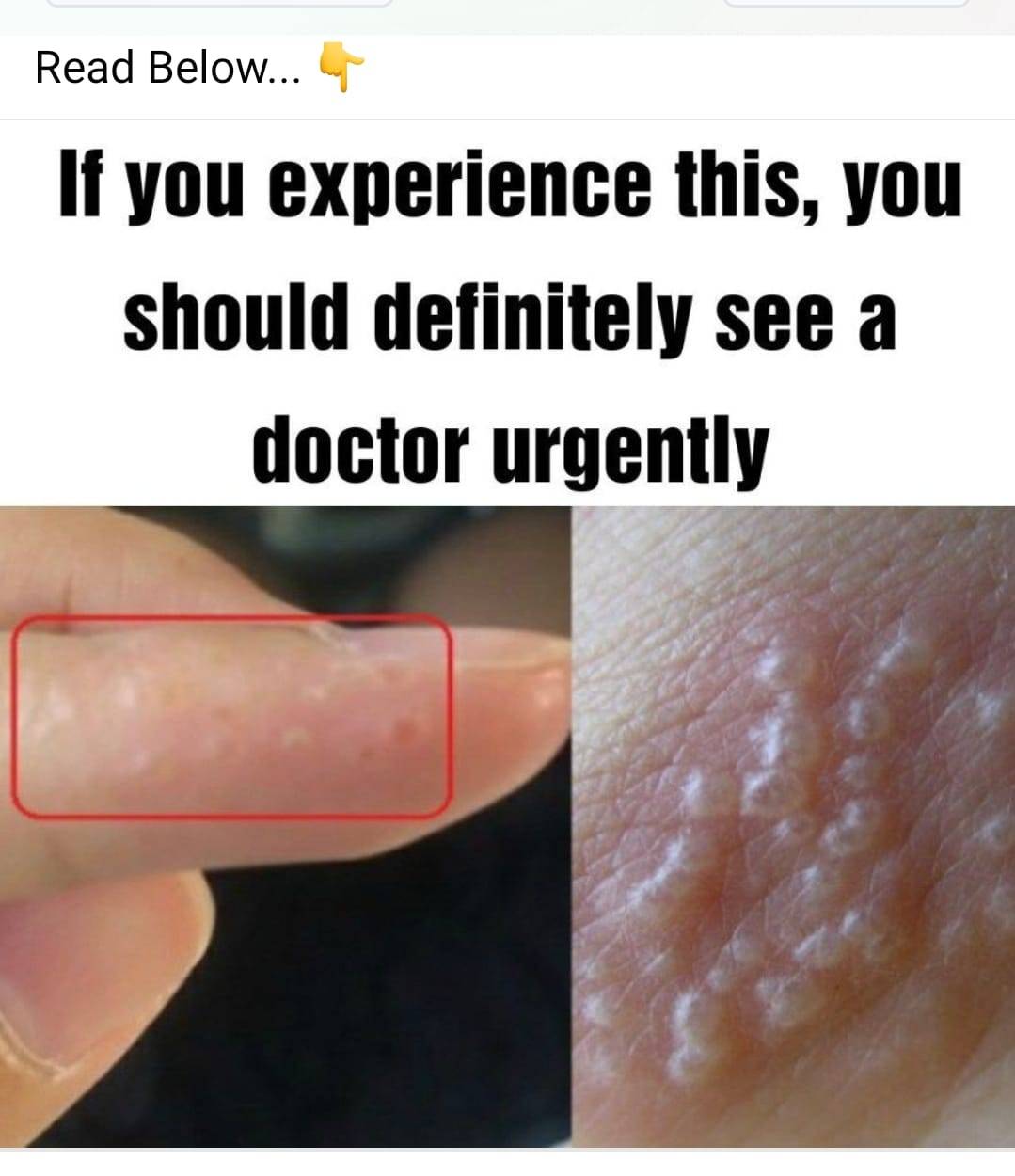
If you’ve noticed small, painful or itchy red bumps on your hands or feet, one possible cause is a condition called Dyshidrotic eczema. While it might look alarming at first, this is actually a fairly common type of eczema that affects the skin on the palms, fingers, and soles of the feet.
It often starts suddenly and can feel uncomfortable, especially when the bumps begin to itch or turn into blisters.
What Does It Look Like?
Dyshidrotic eczema usually begins with tiny, fluid-filled blisters that may look like small beads under the skin. These bumps are often:
- Itchy or burning
- Clustered together
- Found on the sides of fingers, palms, or soles
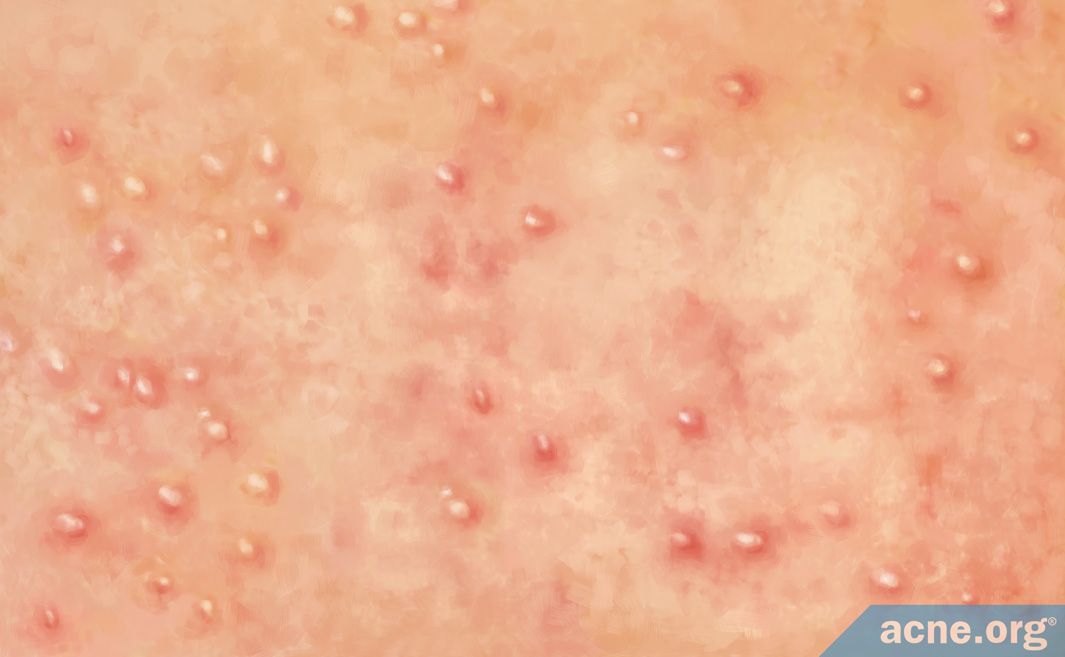
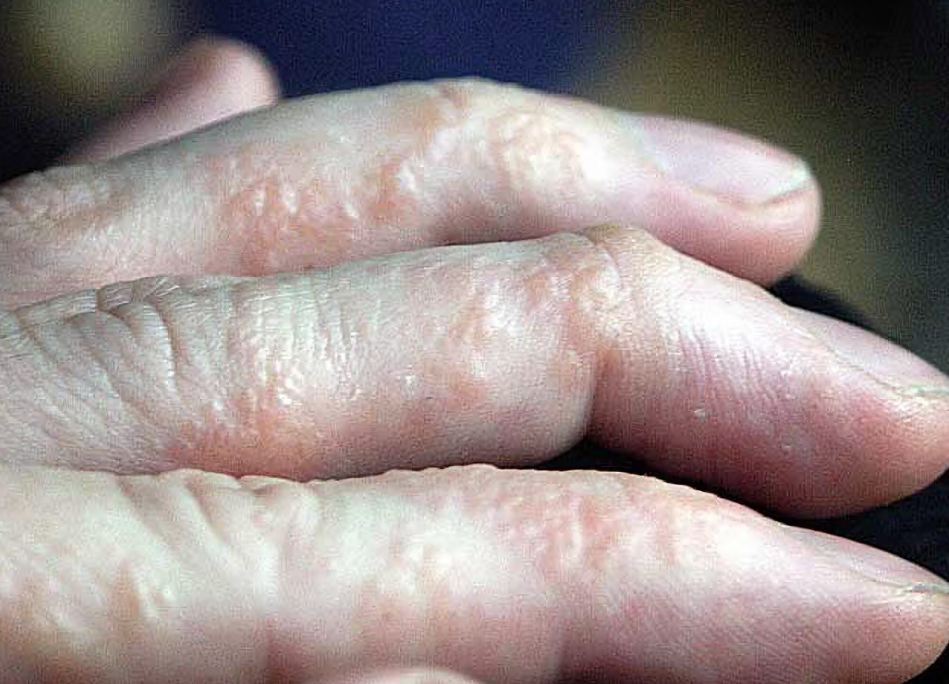
Over time, the blisters may dry out, causing the skin to peel, crack, or become scaly.
In more severe cases, the blisters can merge into larger ones, making the skin sore and harder to use for daily tasks.
Why Does It Happen?
The exact cause of dyshidrotic eczema is still unknown, but experts believe it’s linked to a mix of genetic and environmental factors.
Common triggers include:
- Stress (emotional or physical)
- Allergies, especially to metals like nickel
- Sweaty or constantly moist hands and feet
- Irritating products like soaps or chemicals
- Seasonal changes or heat
For some people, flare-ups happen repeatedly, especially during warmer months or stressful periods.
Key Symptoms to Watch
This condition tends to come and go, often lasting a few weeks at a time. Typical symptoms include:
- Intense itching or burning
- Small blisters filled with fluid
- Redness and irritation
- Dry, cracked, or peeling skin after healing
The itching can be strong, and scratching may lead to skin damage or even infection if not managed properly.
Is It Contagious?
No—dyshidrotic eczema is not contagious. You cannot catch it from someone else, and it cannot spread through touch.
This is an important point, as many people worry when they first see blister-like bumps.
How Is It Treated?
While there’s no permanent cure, the condition can usually be managed effectively. Treatment often depends on how severe the symptoms are.
Common approaches include:
- Moisturizing regularly to prevent dryness
- Using mild soaps and avoiding irritants
- Applying cool compresses to reduce itching
- Over-the-counter creams like hydrocortisone
- Prescription medications for more severe cases
Doctors may also recommend antihistamines or stronger treatments if symptoms are persistent.
Everyday Tips That Help
Managing this condition often comes down to daily habits. Simple steps can make a big difference:
- Keep hands and feet dry but not overly dry
- Avoid harsh cleaning products
- Wear protective gloves when needed
- Identify and avoid personal triggers
Consistency is key—regular care can reduce flare-ups and improve comfort.
When to See a Doctor
You should seek medical advice if:
- The rash becomes very painful
- Blisters spread or worsen
- There are signs of infection (pus, swelling, heat)
- The condition doesn’t improve with basic care
A proper diagnosis is important because other conditions—like fungal infections or allergic reactions—can look similar.
Final Thoughts
Dyshidrotic eczema may be uncomfortable and frustrating, but it’s manageable with the right approach. Understanding your triggers, caring for your skin, and seeking treatment when needed can help keep symptoms under control.
If you’re experiencing persistent or worsening symptoms, it’s always best to consult a healthcare professional for an accurate diagnosis and personalized care plan.