
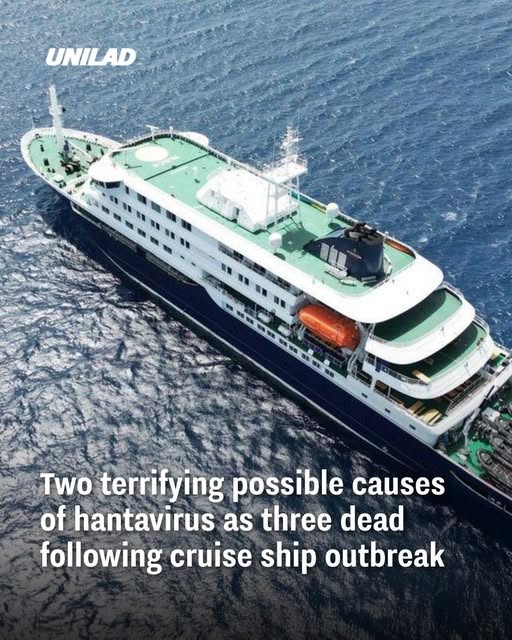
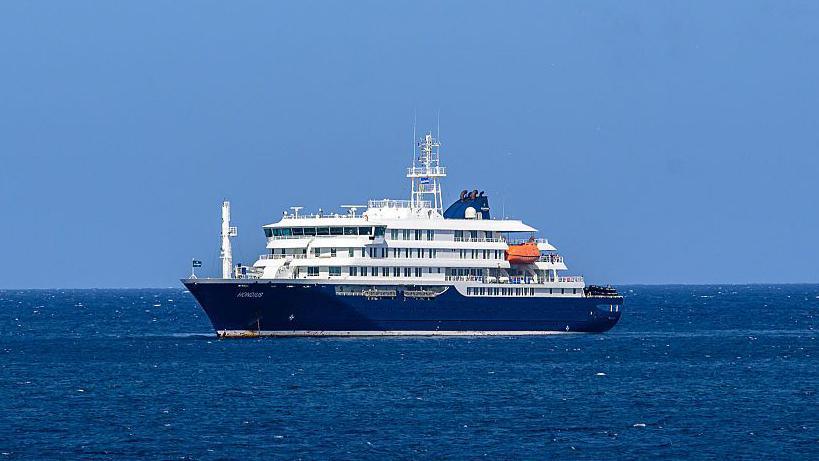
serious health scare has unfolded aboard a cruise ship after a hantavirus outbreak led to multiple deaths and several infections among passengers and crew. The vessel, carrying around 150 people from various countries, has been stranded at sea while health authorities work to contain the situation.
The outbreak has drawn global attention due to the rare and potentially deadly nature of the virus, as well as the uncertainty surrounding how it spread in such a controlled environment.
What Is Hantavirus?
Hantavirus is a rare but dangerous virus that can cause severe respiratory illness. It is typically transmitted to humans through contact with infected rodent urine, droppings, or saliva. Inhaling contaminated particles is the most common way people become infected.
Symptoms can include fever, fatigue, muscle aches, and in severe cases, life-threatening breathing difficulties. There is currently no specific cure, and treatment focuses on supportive care.
The Two Possible Causes
Health experts investigating the outbreak have identified two main possibilities for how the virus spread on the ship.
The first is the traditional route: exposure to infected rodents. Hantavirus is most commonly linked to rats or mice, and even a small amount of contamination in enclosed spaces can pose a risk.
However, this explanation has raised questions, as no clear evidence of rodents has been found onboard so far.
The second possibility is far more concerning—human-to-human transmission. While extremely rare, certain strains of hantavirus, particularly the Andes variant, have shown the ability to spread between people through close contact.
If confirmed, this would make the situation significantly more serious, especially in the confined environment of a cruise ship.
Where Did the Outbreak Begin?
Early investigations suggest that the virus may not have originated on the ship itself. Some experts believe that initial infections could have occurred before boarding, possibly during travel in South America, where the Andes strain is known to exist.
Passengers may have been exposed during excursions or in areas where the virus is more common, unknowingly bringing it onboard.
Once on the ship, close quarters and shared spaces may have contributed to further spread, particularly if human transmission is involved.
Rising Cases and Emergency Response
So far, multiple cases have been reported, including several deaths and individuals in critical condition. Medical evacuations have been carried out, and authorities are closely monitoring all passengers and crew.
The ship has faced delays in docking as countries assess the risks of allowing potentially infected individuals ashore. Eventually, plans were made to direct the vessel to a port where proper medical care and quarantine procedures could be implemented.
Strict isolation measures have been introduced onboard, with passengers asked to remain in their cabins while health teams conduct assessments.
Global Health Concerns
Despite the severity of the outbreak, health organizations have stated that the overall risk to the general public remains low. Hantavirus does not spread easily in most situations, and outbreaks are typically contained.
However, the possibility of human-to-human transmission in this case has raised concerns among experts and prompted further investigation.

Final Thoughts
This incident highlights how quickly infectious diseases can become serious in enclosed environments like cruise ships. While the exact cause of the outbreak is still under investigation, it has already sparked important discussions about safety, monitoring, and rapid response in international travel.
As authorities continue their work, the situation serves as a reminder of the importance of vigilance, hygiene, and early detection when dealing with rare but dangerous illnesses.