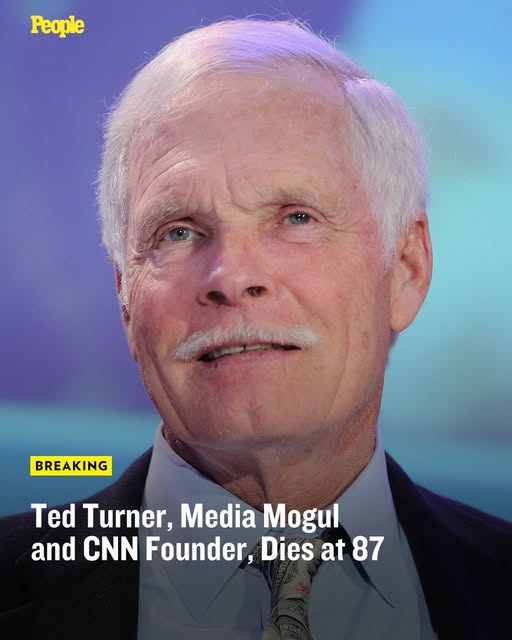
Ted Turner, the pioneering businessman who changed the face of television news, has died at the age of 87. Born in 1938 in Cincinnati, Ohio, Turner was raised in a family involved in billboard advertising. After the tragic death of his father, he assumed control of the family business at a young age. What could have been a setback instead became the starting point for a remarkable career. Turner quickly expanded the company and demonstrated a willingness to take risks that would later define his legacy.
Building a Media Empire
Turner’s first major step into broadcasting came when he purchased a struggling television station in Atlanta. Rather than following traditional programming models, he experimented with bold ideas, including airing sports and classic films to attract a broader audience. This station eventually grew into a national “superstation,” reaching viewers across the United States and laying the groundwork for Turner’s expanding media empire. His unconventional strategies often raised eyebrows, but they consistently delivered results.
The Creation of CNN
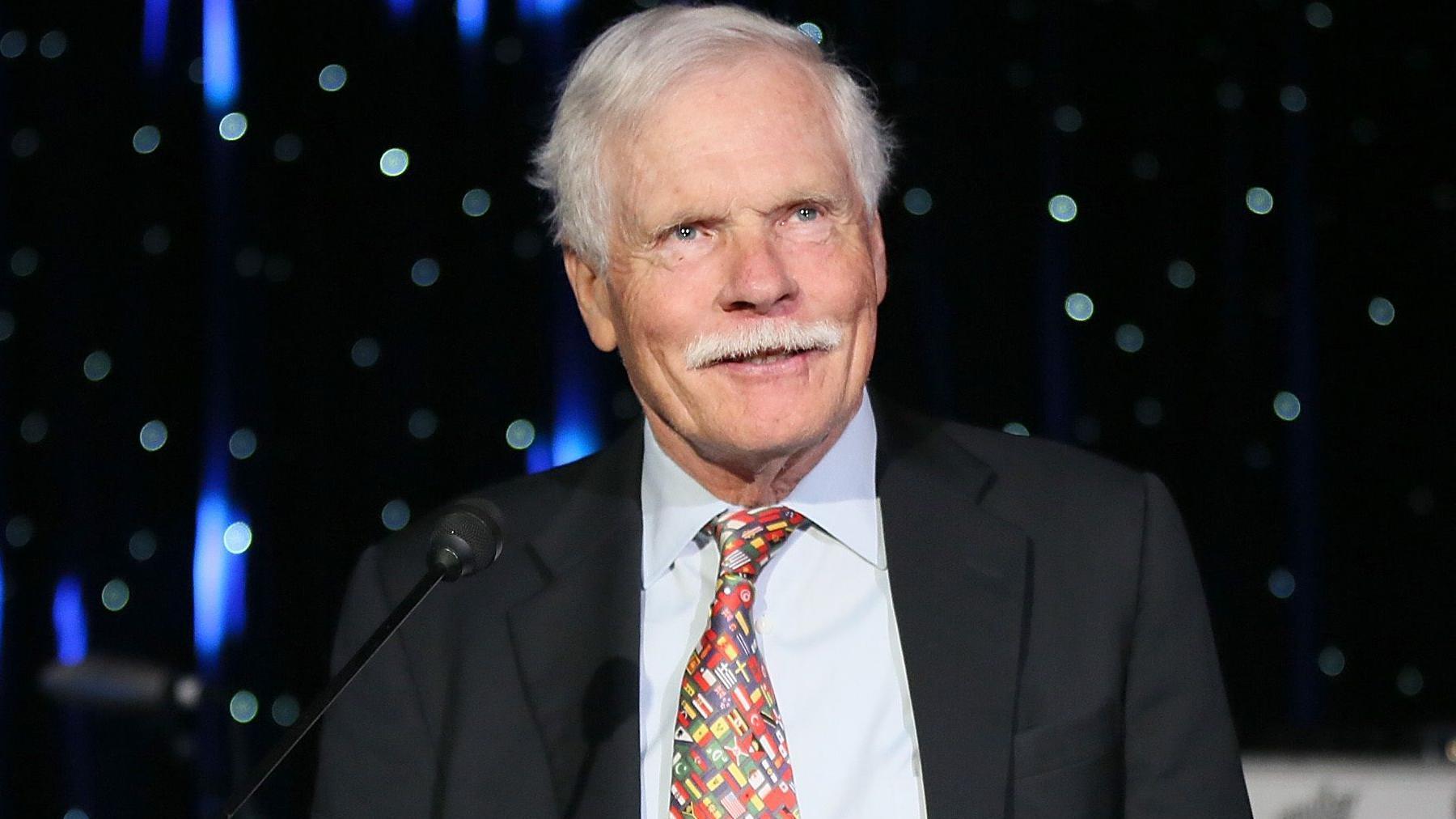
In 1980, Turner launched CNN, the world’s first 24-hour news channel. At the time, many critics believed the concept would fail, arguing that there simply wasn’t enough news to fill an entire day. Turner, however, believed that people wanted immediate access to information at all times. His vision proved revolutionary. CNN gained global recognition for its live coverage of major events, particularly during the Gulf War, when viewers relied on the network for real-time updates. This moment firmly established CNN as a leader in international journalism.
Influence Beyond News
Turner didn’t stop with CNN. He went on to build a diverse portfolio that included channels such as TBS, TNT, and Cartoon Network. These networks helped shape modern television by offering a mix of entertainment, sports, and news programming. Turner’s ability to spot opportunities and act decisively made him one of the most influential figures in the media industry.
Philanthropy and Personal Challenges
Beyond business, Turner was deeply committed to philanthropy. He pledged more than $1 billion to initiatives connected to the United Nations, focusing on global issues such as environmental protection and humanitarian aid. In 2018, he revealed he was living with Lewy body dementia, a progressive condition that gradually affected his health.
A Lasting Impact
Ted Turner’s legacy is impossible to overstate. By creating CNN, he transformed how the world consumes news, making real-time reporting a standard expectation. His bold vision, willingness to challenge convention, and commitment to global causes ensured that his influence would extend far beyond television. Even after his passing, Turner’s innovations continue to shape the media landscape and the way people stay informed.
Revolutionizing Global Media Culture
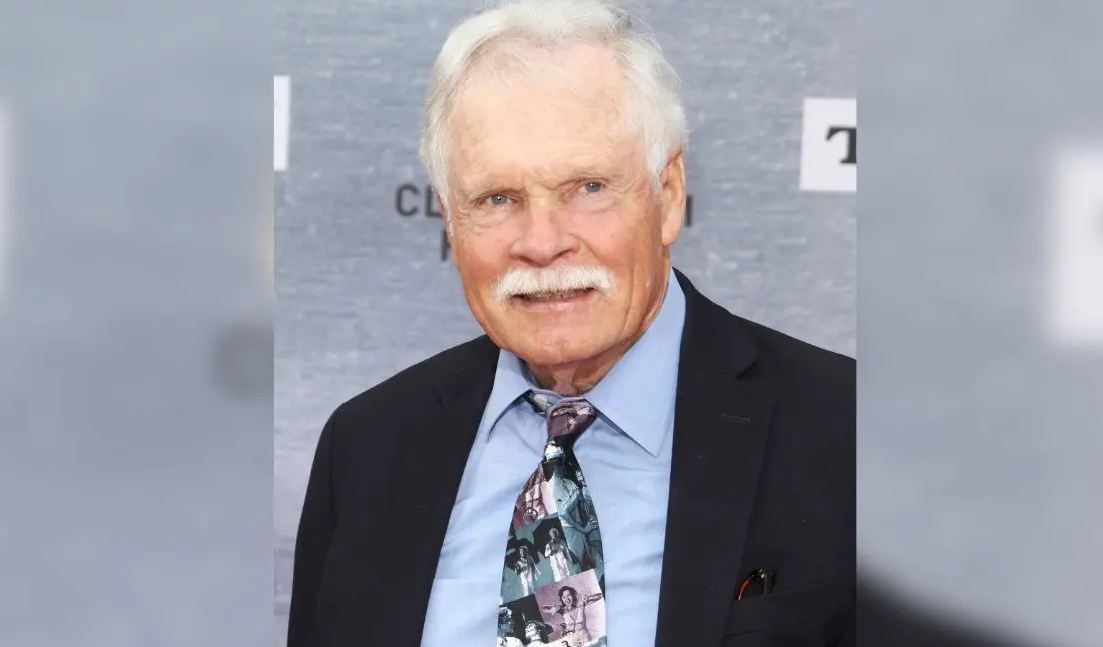
Turner’s impact extended far beyond the United States. With CNN’s international expansion, news became a truly global product, available in real time across continents. Before this shift, audiences largely relied on scheduled bulletins or delayed reporting. Turner’s model changed expectations permanently, creating a media environment where immediacy became the norm. His approach influenced not only competitors in cable news but also the development of digital news platforms decades later. He was also known for his outspoken personality and willingness to challenge political and corporate norms. Turner often used his platforms to express strong opinions on environmental issues, nuclear disarmament, and global cooperation. While controversial at times, his advocacy reflected his belief that media leaders carried a responsibility beyond entertainment and profit.