
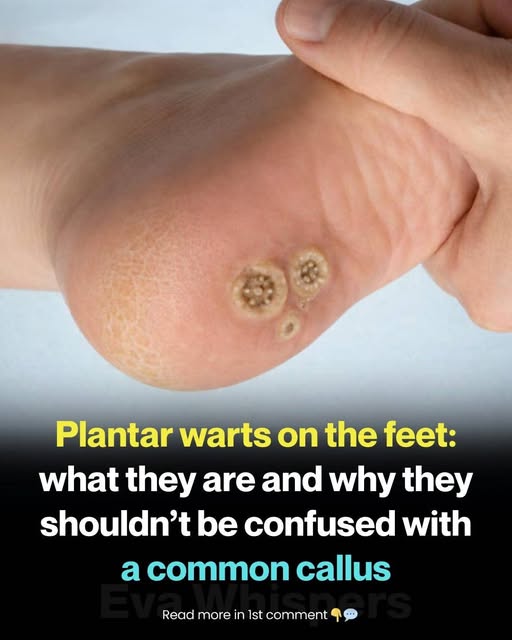
Many people confuse calluses and Plantar Warts because they both appear as thick, rough patches on the bottom of the foot. At first glance, they can look nearly identical, especially if they develop in high-pressure areas like the heel or ball of the foot. However, they are completely different conditions with different causes, risks, and treatments. Misidentifying them can delay proper care, worsen symptoms, and in some cases even spread infection.
What Is a Callus?
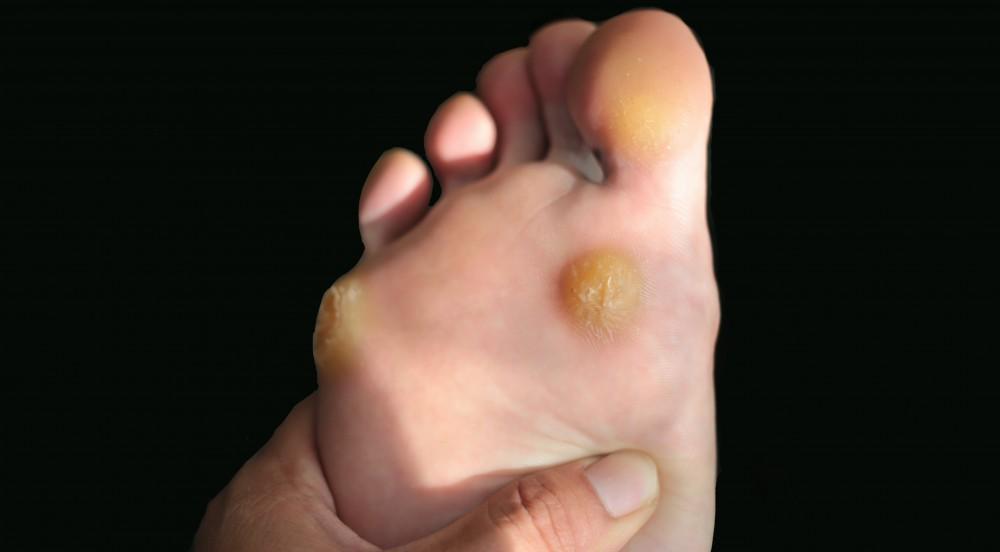
A callus is a buildup of hardened skin that forms due to repeated pressure or friction. It is the body’s natural way of protecting deeper layers of skin from irritation. People who spend long hours standing, walking, or wearing tight shoes are more likely to develop calluses.
Calluses are typically:
- Thick, dry, and slightly yellowish
- Spread out with no clearly defined edges
- Not contagious
- Usually painless, though severe cases may crack or feel tender
They often form gradually and may even go unnoticed until they become quite thick. While they may not look appealing, they are generally harmless and can often be managed at home with proper foot care.
What Is a Plantar Wart?
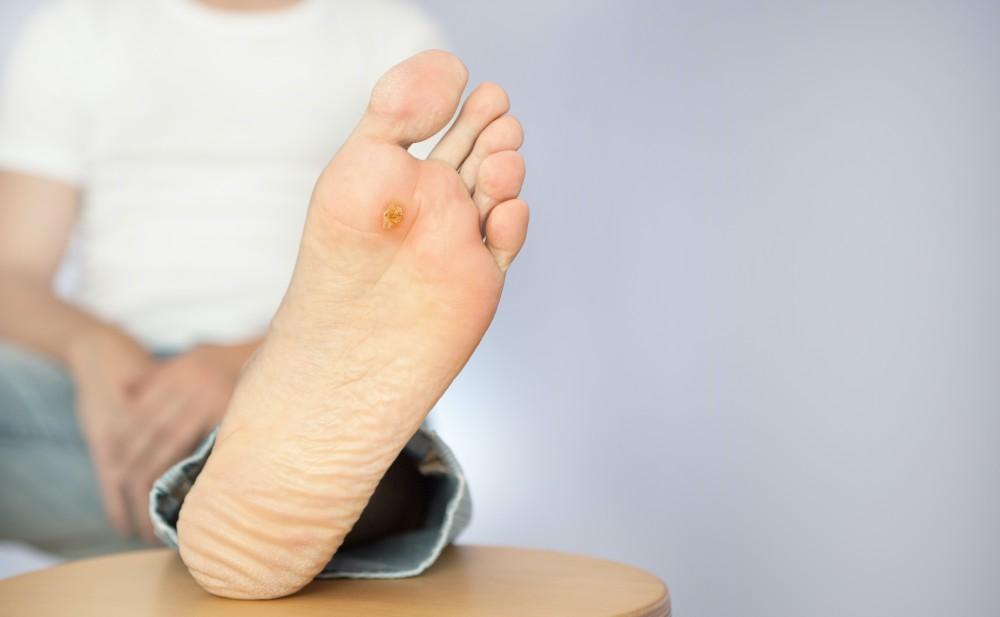
A plantar wart is not just thick skin—it is a viral growth caused by the human papillomavirus (HPV). The virus enters the body through tiny cuts or weak spots in the skin, usually on the sole of the foot. Unlike calluses, these warts are infectious and can spread to other areas or even to other people.
Plantar warts are often:
- Rough and grainy in texture
- Marked by small black dots (clotted blood vessels)
- Painful, especially when walking or squeezing the area
- Surrounded by hardened skin due to pressure
Because they grow inward under pressure from walking, they can feel like stepping on a small stone, making everyday movement uncomfortable.
Key Differences You Should Notice
Although they may seem similar, several signs can help you tell them apart. A callus is caused by pressure, while a wart is caused by a virus. Calluses usually do not hurt unless they become very thick, whereas plantar warts are often painful even when small.
Another important clue is the appearance of skin lines. In a callus, your natural skin lines continue across the surface. In a wart, those lines are disrupted. Additionally, plantar warts may show tiny black dots, which are not present in calluses.
Why Misdiagnosis Can Make Things Worse
Confusing these two conditions can lead to ineffective or even harmful treatment. For example, filing down a wart like a callus will not remove the virus and may cause it to spread. On the other hand, using wart treatments on a callus can irritate the skin and cause unnecessary damage.
Proper identification is essential for choosing the right approach. Treating the root cause—whether pressure or infection—is the only way to achieve lasting results.
Treatment and Prevention
Calluses are usually managed by reducing pressure. This can involve wearing properly fitted shoes, using cushioning pads, and regularly moisturizing the feet. Gentle exfoliation can also help keep the skin smooth.
Plantar warts often require more targeted treatment. Over-the-counter solutions, freezing treatments, or professional medical procedures may be needed to eliminate the virus. Because they are infectious, hygiene is also important—avoid walking barefoot in public areas and do not share footwear.
When to Seek Help
If you are unsure whether you have a callus or a wart, or if the condition becomes painful, spreads, or does not improve, it is wise to consult a healthcare professional. Early diagnosis can prevent complications and speed up recovery.
The Bottom Line
Although calluses and plantar warts may look alike, they are fundamentally different. One is a natural защит response to pressure, while the other is a viral infection that requires proper treatment. Understanding the difference helps you take the right steps toward healthier, pain-free feet.