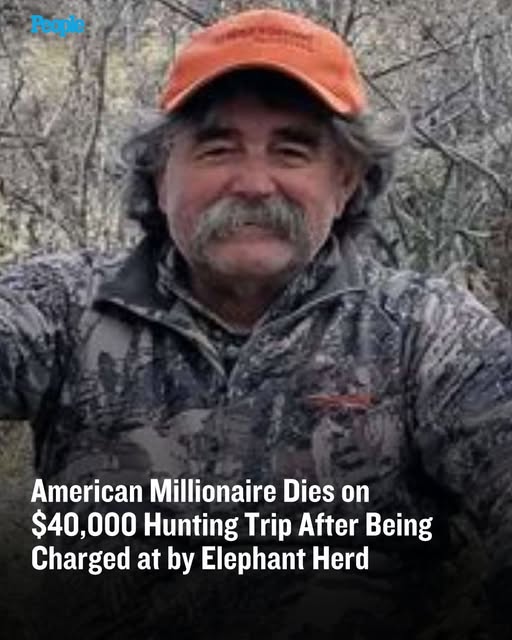
A tragic incident has drawn global attention after a wealthy American big-game hunter was killed during a hunting expedition in Central Africa. The victim, identified as Ernie Dosio, a 75-year-old millionaire and vineyard owner from California, died after being attacked by a group of elephants in Gabon’s dense rainforest.
Dosio had traveled to the region on an expensive guided hunting trip reportedly costing tens of thousands of dollars. His goal was to hunt a yellow-backed duiker, a rare species of antelope found in the forests of West and Central Africa.
What Happened During the Attack
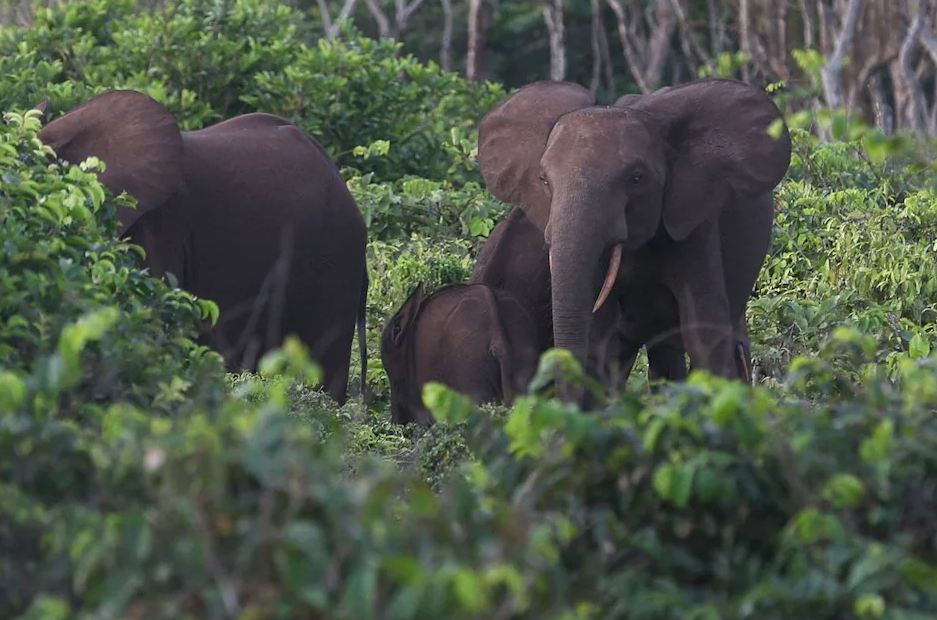
According to reports, the incident occurred in the Lopé-Okanda rainforest, a remote and heavily forested area known for its wildlife. Dosio and his professional guide were tracking their target when they unexpectedly encountered a herd of elephants. The group included five female elephants and a calf, which likely made them more defensive. Wildlife experts note that elephants, especially mothers protecting young, can react aggressively if they feel threatened. In this case, the animals charged suddenly from dense vegetation, leaving little time to react. Dosio was fatally trampled during the attack, while his guide survived but suffered serious injuries.
A Experienced but Controversial Hunter
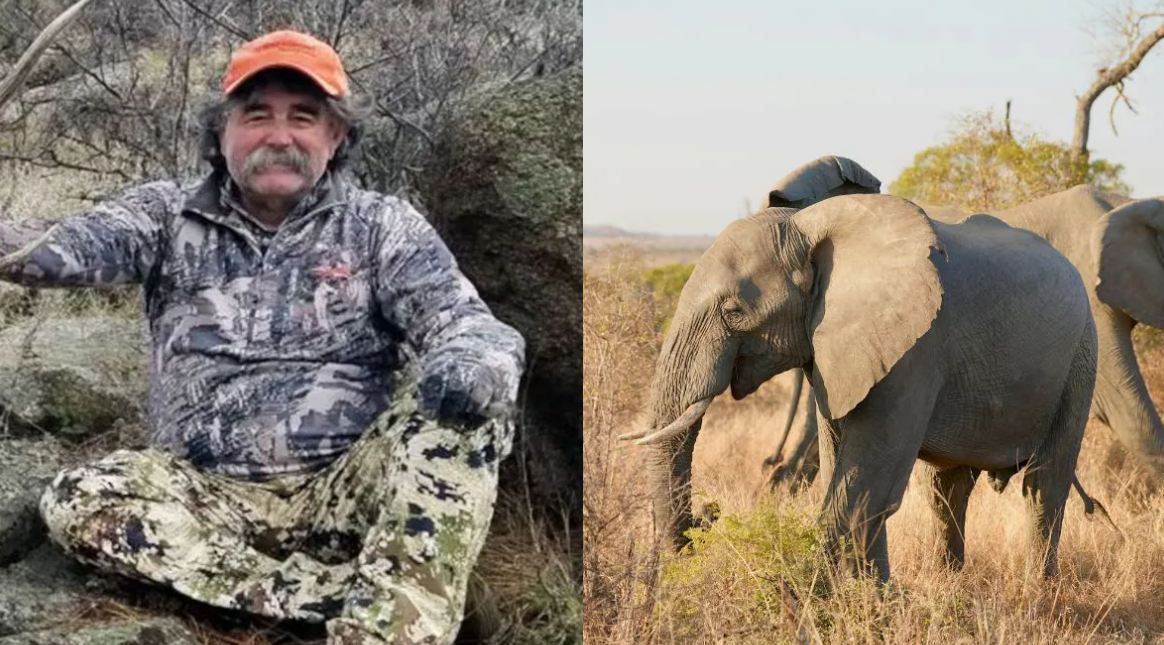
Dosio was not new to hunting. He was known as a seasoned big-game hunter with an extensive collection of animal trophies, including species from Africa and the United States. He also owned Pacific AgriLands Inc., a company managing thousands of acres of vineyards in California, which contributed to his millionaire status. Supporters described him as an outdoorsman who followed legal hunting practices and even contributed to conservation-related efforts. However, critics pointed to his trophy hunting activities as part of a controversial industry that involves killing wild animals, often for sport rather than survival.
The Risks of Big-Game Hunting
This incident highlights the inherent dangers of hunting large wild animals, even for experienced individuals. Elephants are among the most powerful land animals and can become highly aggressive when startled or protecting their herd. Encounters like this are unpredictable, particularly in dense environments like rainforests, where visibility is limited. In this case, reports suggest the hunters may not have seen the elephants until it was too late.
Ongoing Debate Around Trophy Hunting
Dosio’s death has reignited global debate about the ethics of big-game hunting. Advocates argue that regulated hunting can support conservation efforts and local economies. Critics, however, see it as unnecessary and harmful to wildlife populations, especially for species already under environmental pressure. Gabon is home to a large population of forest elephants, a species considered vulnerable due to poaching and habitat loss.
Aftermath and Reactions
Following the incident, authorities and officials began coordinating the return of Dosio’s remains to the United States. The story has sparked strong reactions worldwide. Some have expressed sympathy for his family, while others have framed the घटना as a stark example of the risks—and moral questions—associated with trophy hunting.
A Stark Reminder
While hunting has long been part of human history, this incident serves as a powerful reminder that nature remains unpredictable and often dangerous. Even those with years of experience can face life-threatening situations when entering the wild. In the end, what began as a carefully planned expedition turned into a fatal encounter—one that continues to fuel discussion about wildlife, conservation, and the boundaries between humans and nature.