
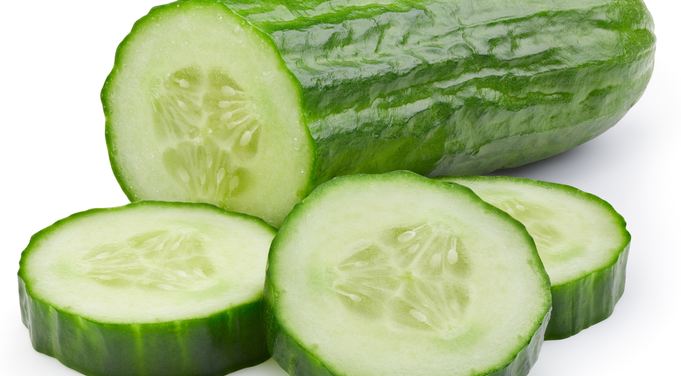
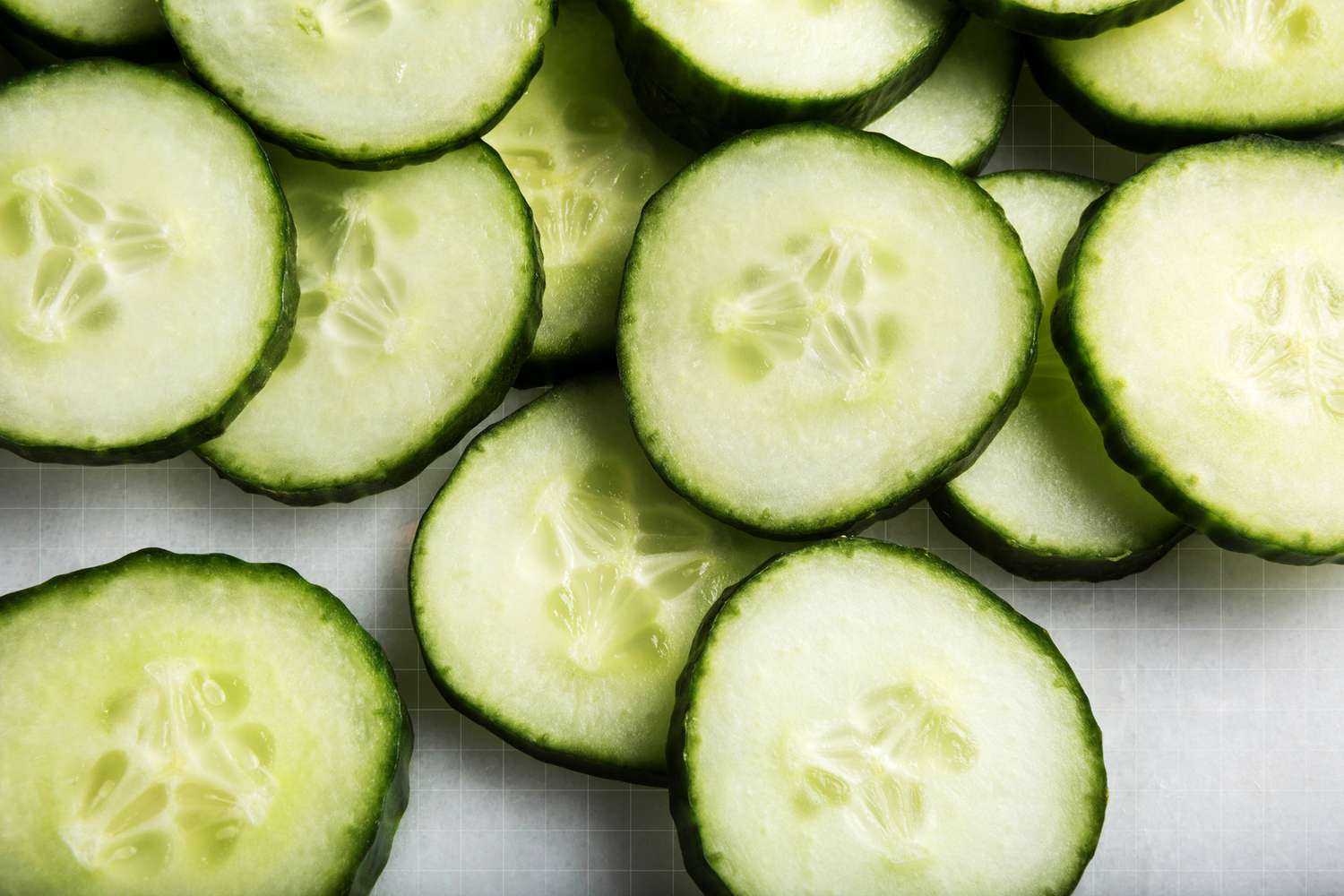
Cucumbers are often praised as a healthy, low-calorie food packed with water, vitamins, and antioxidants. They are a popular ingredient in salads, sandwiches, and refreshing summer dishes, and for most people, they are a nutritious addition to a balanced diet. However, like many foods, cucumbers may not be suitable for everyone. Certain individuals may experience discomfort or health-related issues after consuming them, particularly when eaten in large quantities. While cucumbers are generally safe, understanding potential risks can help people make informed dietary choices.
Here are four groups of people who may need to limit or avoid cucumbers, depending on their individual circumstances and medical advice.
People with Cucumber Allergies
Although uncommon, cucumber allergies do exist. Individuals with this type of allergy may experience symptoms shortly after eating cucumbers or coming into contact with them.
Possible symptoms include:
Itching in the mouth or throat
Swelling of the lips or tongue
Skin rashes
Sneezing or nasal congestion
Digestive discomfort
In rare cases, a severe allergic reaction may occur, requiring immediate medical attention. Anyone who suspects they have a cucumber allergy should consult a healthcare professional for proper evaluation.
Individuals with Sensitive Digestion
Some people experience digestive discomfort after eating cucumbers. This may be due to certain natural compounds found in the vegetable, including cucurbitacins, which can contribute to a bitter taste.
For sensitive individuals, cucumbers may occasionally cause:
Bloating
Gas
Indigestion
Stomach discomfort
People with conditions such as irritable bowel syndrome (IBS) may notice that raw vegetables, including cucumbers, sometimes worsen digestive symptoms. In such cases, reducing portion sizes or discussing dietary adjustments with a healthcare provider may be helpful.
People Taking Certain Medications
Cucumbers contain vitamin K, a nutrient that plays an important role in blood clotting. While the amount found in cucumbers is generally moderate, individuals taking blood-thinning medications may need to monitor their vitamin K intake carefully. Sudden or significant changes in vitamin K consumption can affect how certain medications work. This does not necessarily mean cucumbers must be avoided completely, but consistency in dietary habits is important. Anyone taking prescription blood thinners should follow the advice of their doctor or dietitian regarding foods that contain vitamin K.
Individuals Prone to Excess Fluid Retention Concerns
Cucumbers are known for their high water content and mild natural diuretic properties. While this can be beneficial for many people, individuals with specific kidney conditions or medical concerns involving fluid balance should always follow professional dietary guidance. Certain medical conditions require carefully controlled fluid and mineral intake. In these situations, even healthy foods may need to be consumed in moderation according to individualized treatment plans. People with kidney disease or related conditions should discuss dietary choices with their healthcare provider rather than relying on general nutrition advice.
The Health Benefits of Cucumbers
For most healthy individuals, cucumbers offer numerous benefits.
Hydration Support
Cucumbers are approximately 95% water, making them an excellent food for supporting hydration.
Low-Calorie Nutrition
A serving of cucumber provides very few calories while contributing vitamins, minerals, and antioxidants.
Heart Health
Cucumbers contain potassium and other nutrients that may support cardiovascular health when included as part of a balanced diet.
Weight Management
Because they are filling yet low in calories, cucumbers are often included in weight-management meal plans.
Moderation Is Key
It is important to remember that foods rarely affect everyone in the same way. While cucumbers may cause issues for certain individuals, they remain a nutritious and healthy choice for the vast majority of people. Those who experience unusual symptoms after eating cucumbers should consider speaking with a healthcare professional to determine whether an allergy, digestive sensitivity, or underlying medical condition may be involved.
Final Thoughts
Cucumbers are widely regarded as a healthy food, but they are not necessarily ideal for everyone. People with allergies, sensitive digestive systems, specific medication requirements, or certain medical conditions may need to exercise caution. For most individuals, however, cucumbers can be safely enjoyed as part of a balanced and nutritious diet. Understanding your body’s individual needs and seeking professional guidance when necessary remains the best approach to making informed dietary decisions.