
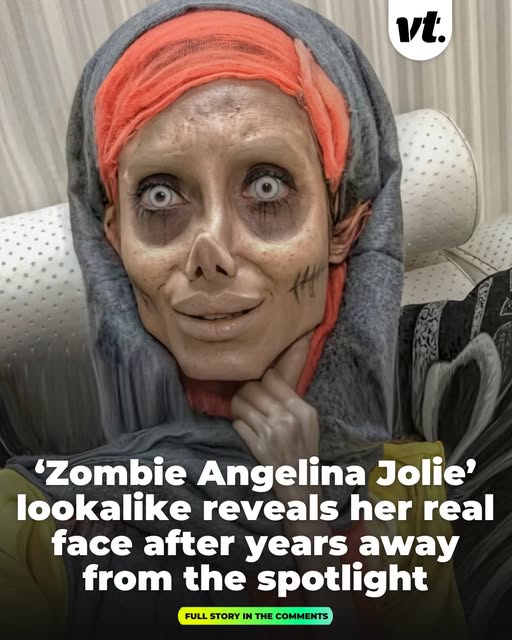
For years, images of an Iranian woman nicknamed the “Zombie Angelina Jolie” circulated widely across social media, leaving millions of people convinced they were looking at someone who had undergone dozens of extreme cosmetic procedures. The shocking photographs sparked headlines around the world, fueled online speculation, and turned Sahar Tabar into one of the internet’s most talked-about figures.
However, the real story behind the viral images proved to be far more complex than many people initially believed. As new photographs of Sahar emerged following her release from prison, people discovered that the face they had come to associate with her was largely the result of makeup, editing, and artistic expression rather than dramatic plastic surgery.
A Viral Internet Mystery
Sahar Tabar first gained worldwide attention after posting a series of heavily edited photos on Instagram. In the images, her face appeared unnaturally thin, her eyes looked unusually large, and her cheeks seemed dramatically hollow. Many online users assumed she had intentionally transformed herself to resemble Hollywood actress Angelina Jolie, while others compared her appearance to characters from horror films or zombies. The images spread rapidly across social media platforms, with countless articles and videos repeating claims that she had undergone dozens of cosmetic surgeries. Those reports quickly became part of the online narrative, even though many of the details were never independently verified. As her popularity grew, so did public curiosity about her real appearance.
Makeup and Digital Editing Played a Major Role
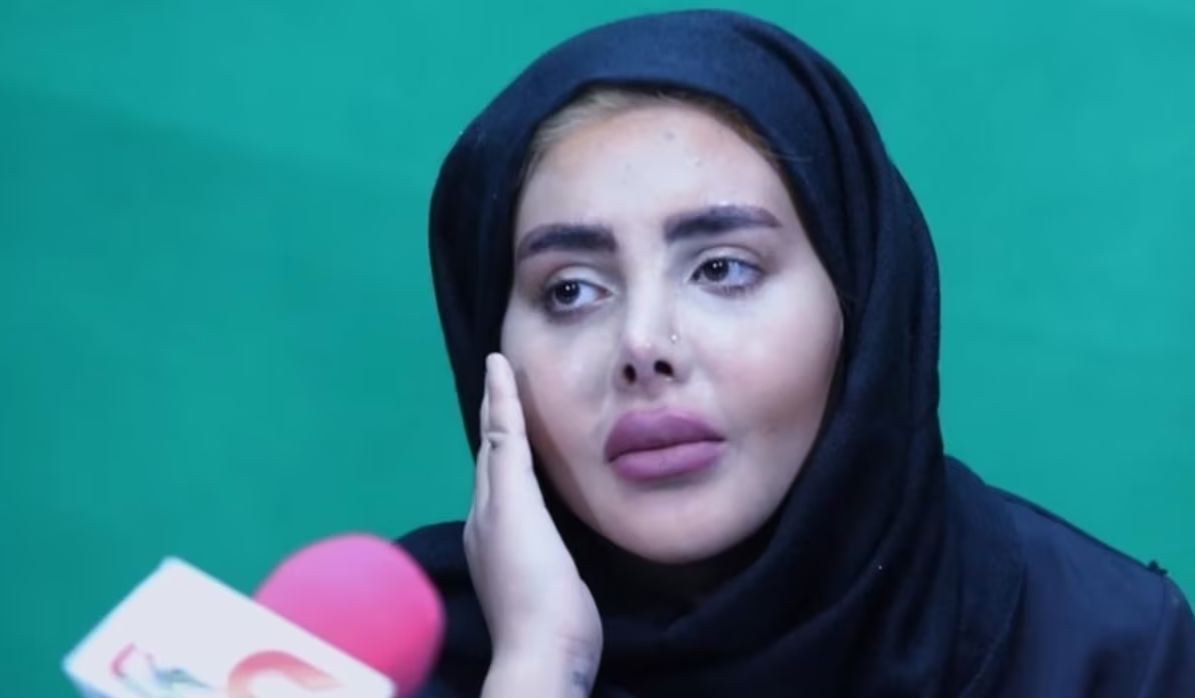
Over time, it became clear that the viral photographs did not accurately represent Sahar’s everyday appearance. She later explained that the dramatic look was created through a combination of theatrical makeup, digital photo editing, camera angles, and creative styling. Rather than trying to become a real-life version of Angelina Jolie, she was experimenting with artistic self-expression designed to surprise and entertain her followers. The exaggerated images blurred the line between reality and digital manipulation, leading many viewers to believe they were completely authentic. The misunderstanding highlighted how easily edited content can spread online without important context.
Arrest and Time in Prison
In 2019, Iranian authorities arrested Sahar Tabar on several charges related to her online activity. The case attracted international attention because many people viewed it as an example of broader restrictions placed on social media influencers in the country. She remained in custody for an extended period, with reports indicating that she received a lengthy prison sentence before later being released. Her case drew support from human rights advocates, who argued that social media creators should not face severe legal consequences for expressing themselves online. Following her release, new interviews and appearances gave the public an opportunity to see what she actually looked like away from heavily edited photographs.
Her Real Appearance Surprised Many
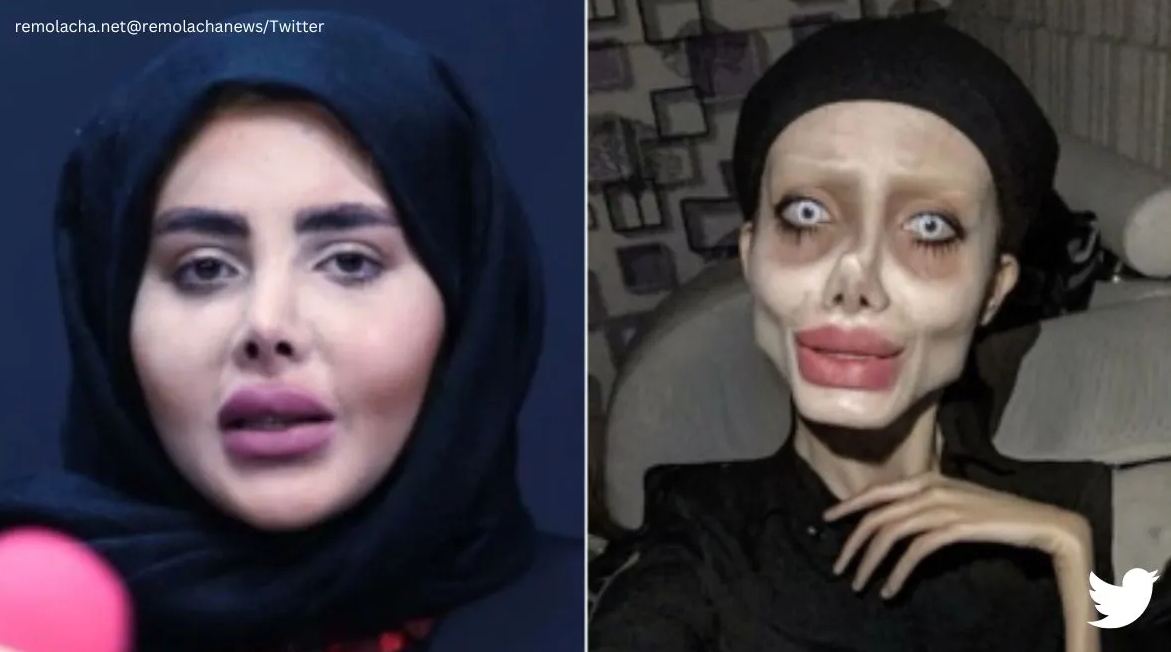
When recent images and television appearances showed Sahar without the dramatic makeup and digital alterations, many people admitted they were shocked by the difference. Instead of the frightening figure that had gone viral years earlier, viewers saw a young woman with relatively ordinary facial features. The contrast led many social media users to realize just how much editing had contributed to the original photographs. Many commented that they had believed the earlier images were genuine, while others expressed sympathy after learning more about her personal story and the circumstances surrounding her arrest. The renewed attention also prompted discussions about misinformation and the speed at which inaccurate claims can spread across the internet.
A Lesson About Online Perception
Sahar Tabar’s story serves as a reminder that photographs shared online do not always reflect reality. Digital editing software, beauty filters, makeup techniques, and creative photography can dramatically alter a person’s appearance, often creating images that are impossible to achieve in real life. Her experience also illustrates how quickly viral content can shape public opinion before the full story is known. Millions of people formed opinions based on edited photographs without realizing they were part of a creative project rather than an accurate representation of her everyday appearance. Years after the “Zombie Angelina Jolie” nickname first captured global attention, the conversation has shifted from shock to reflection. For many observers, Sahar Tabar’s journey highlights the importance of questioning viral images, verifying information before accepting it as fact, and remembering that social media often presents carefully constructed versions of reality rather than the complete truth.