

A growing number of people using Ozempic and similar weight-loss injections are reporting unexpected changes in their oral health often referred to as “Ozempic mouth.” While this term sounds clinical, it’s actually an informal label used to describe a group of symptoms affecting the mouth, teeth, and surrounding facial area.
Importantly, “Ozempic mouth” is not an official medical diagnosis. Instead, it refers to side effects that may happen indirectly during weight loss or due to changes in hydration and eating habits while taking GLP-1 medications.
The Most Common Symptoms
People experiencing this condition report a wide range of issues, some mild and others more concerning. These include:
Dry mouth or sticky feeling
Bad breath
Increased tooth sensitivity
Gum irritation or inflammation
Higher risk of cavities
Changes in taste (bitter or metallic)
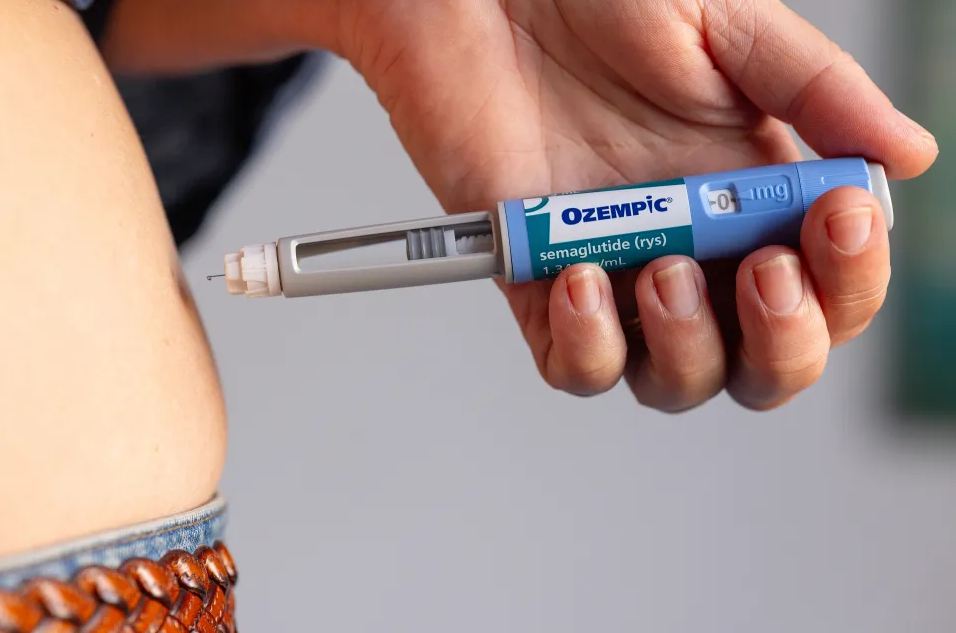
In more severe cases, some users even report tooth decay or damage, which has led to another nickname: “Ozempic teeth.”
Why It Happens
The surprising part is that these effects are usually not caused directly by the drug acting on your teeth or gums. Instead, they happen due to a combination of indirect changes in the body. One of the biggest factors is dry mouth. Saliva plays a critical role in protecting teeth by neutralizing acids and washing away bacteria. When saliva production drops, the risk of decay and gum disease increases significantly. Weight-loss medications also reduce appetite and sometimes thirst, meaning people may eat and drink less without realizing it. This can lead to dehydration, which further reduces saliva levels. Another contributing factor is nausea or acid reflux, which some users experience. Stomach acid exposure can weaken tooth enamel over time, making teeth more sensitive and vulnerable to damage.
Changes Beyond the Teeth
“Ozempic mouth” doesn’t only affect oral health—it can also change facial appearance. Rapid weight loss often reduces fat in the face, especially around the cheeks and mouth. This can create a hollow or sagging look that some people find unexpected. Experts say this is similar to other well-known effects like “Ozempic face,” where fat loss leads to more visible lines and less fullness in the skin.
Is It Permanent?
In most cases, these changes are temporary or manageable. Dry mouth symptoms often improve when hydration increases or when the body adjusts to the medication. Facial changes may also stabilize once weight loss slows down. However, dental damage—like cavities or enamel erosion—can become permanent if not treated early. That’s why awareness is so important.
How to Protect Your Oral Health
If you’re using Ozempic or similar medications, simple habits can make a big difference:
Drink enough water throughout the day
Maintain consistent oral hygiene (brushing and flossing)
Use sugar-free gum to stimulate saliva
Visit a dentist regularly
Avoid brushing immediately after vomiting (to protect enamel)
These steps help counteract the reduced saliva and acidity changes that can harm your teeth.

The Bottom Line
“Ozempic mouth” may sound alarming, but it’s mostly a collection of secondary effects linked to dehydration, appetite changes, and rapid weight loss rather than a direct side effect of the drug itself.