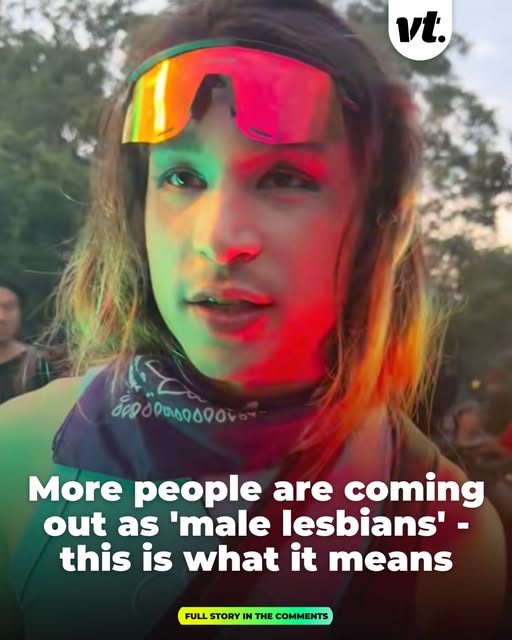
Language surrounding gender identity and sexual orientation continues to evolve, and new terms sometimes generate confusion and discussion. One phrase that has recently attracted attention online is “male lesbian.” For many people, the term appears contradictory at first glance, while others see it as part of a broader conversation about identity, community, and self-expression.
Although the phrase is not widely accepted or universally defined, it has become a topic of discussion across social media platforms and within some LGBTQ+ spaces. Understanding why it exists requires looking at the differences between gender identity, gender expression, and sexual orientation.
Gender Identity and Sexual Orientation
Gender identity refers to a person’s internal understanding of their own gender. Some people identify as men, women, non-binary, or another gender identity. Sexual orientation, on the other hand, describes the people someone is romantically or sexually attracted to. These two aspects of identity are separate, although they often intersect. Because these concepts are distinct, conversations about labels can become complex. Different individuals may choose language that best reflects their personal experiences, even when those labels are unfamiliar to others.
How the Phrase Is Used
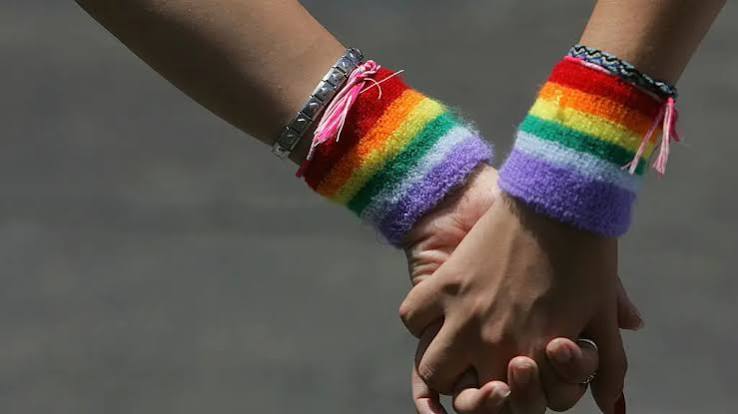
There is no single, universally accepted definition of the term “male lesbian.” In some online communities, the phrase has been used by individuals who were assigned female at birth, identify in some way with masculinity, but continue to feel connected to lesbian communities or culture. Others may use the term in ways related to gender expression rather than gender identity, while some adopt it to describe personal experiences that they believe are not fully captured by more traditional labels. It is important to note that these uses are not standardized, and many LGBTQ+ organizations do not recognize “male lesbian” as an official identity or category.
Different Opinions Within the LGBTQ+ Community
The phrase has generated significant debate, including within LGBTQ+ communities themselves. Some people believe language should remain flexible and allow individuals to describe themselves in ways that feel authentic to their experiences. They argue that identity can be deeply personal and that labels sometimes evolve over time as communities grow and change. Others disagree, saying that the traditional definition of “lesbian” refers to women who are romantically or sexually attracted to women. From this perspective, describing someone who identifies as a man as a lesbian creates confusion and changes the long-established meaning of the word. Because there is no universal agreement, discussions about the term often involve respectful disagreement rather than a clear consensus.
The Role of Social Media
Much of the recent attention surrounding the phrase has come from platforms such as TikTok, Instagram, Reddit, and X. Online conversations frequently introduce new terminology that spreads quickly, sometimes reaching audiences unfamiliar with the context in which the terms originated. As a result, people may encounter labels without understanding their history or the communities where they are used. This can lead to misunderstandings, debates, and differing interpretations. Experts in gender studies often encourage approaching these conversations with curiosity and respect while recognizing that online discussions do not always reflect broader community views.
Why Respectful Conversation Matters
Discussions about identity can be deeply personal. While not everyone agrees on every definition or label, respectful communication helps create space for meaningful dialogue. Listening to different perspectives does not require abandoning one’s own beliefs. Instead, it allows people to better understand how others describe their experiences and why language continues to evolve. As conversations about gender and sexuality develop, new terms will likely continue to emerge. Some may become widely accepted, while others may remain limited to specific communities or gradually fade from use.

An Ongoing Conversation
The phrase “male lesbian” illustrates how language and identity continue to evolve in modern society. For some people, it represents a meaningful way to describe their personal experiences, while for others it raises questions about established definitions and community boundaries. Regardless of where someone stands in the discussion, the topic highlights the importance of understanding the distinction between gender identity and sexual orientation, recognizing that terminology can vary across different communities, and approaching conversations with empathy and respect. As language continues to change, open dialogue remains one of the most valuable tools for promoting understanding among people with diverse experiences and perspectives.