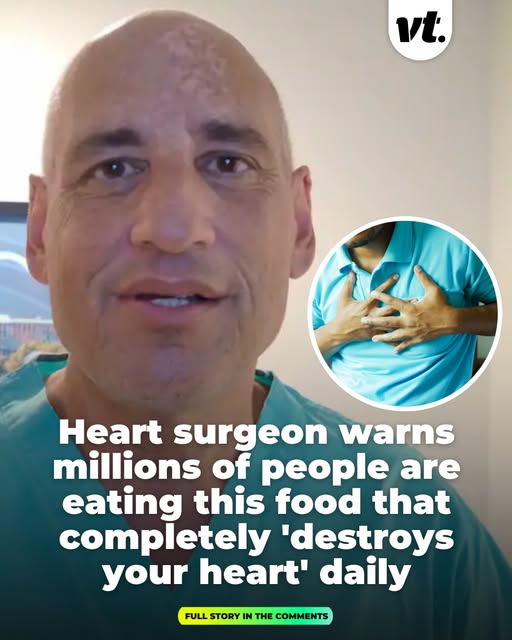
A leading heart surgeon has issued a stark warning about the everyday foods many people regularly consume, claiming some common processed products may be causing serious long-term damage to heart health. The warning comes as cardiovascular disease continues to remain one of the leading causes of death worldwide. (vt.co)
Dr. Philip Ovadia, a cardiac surgeon who has reportedly performed thousands of heart operations during his career, explained that he repeatedly sees the same patterns in patients suffering from blocked arteries and heart attacks. According to the surgeon, the biggest problem is not necessarily red meat or natural fats, but heavily processed carbohydrates and ultra-processed foods.
Processed Carbohydrates Identified as Major Risk
The surgeon warned that foods high in refined carbohydrates can trigger insulin resistance, chronic inflammation, and unstable plaque buildup inside arteries. He explained that these processes increase the risk of heart attacks, strokes, and other cardiovascular complications. Among the foods highlighted were white bread, sugary breakfast cereals, crackers, crisps, flavored yogurts, granola bars, fruit juices, instant oatmeal, bagels, and many packaged “whole grain” products. According to the doctor, even foods marketed as healthy may contain large amounts of refined starches and hidden sugars that repeatedly spike blood sugar levels. The surgeon claimed he could often recognize the dietary habits of patients simply by examining the type of plaque inside damaged arteries during surgery.
New Research Supports Concerns About Ultra-Processed Foods
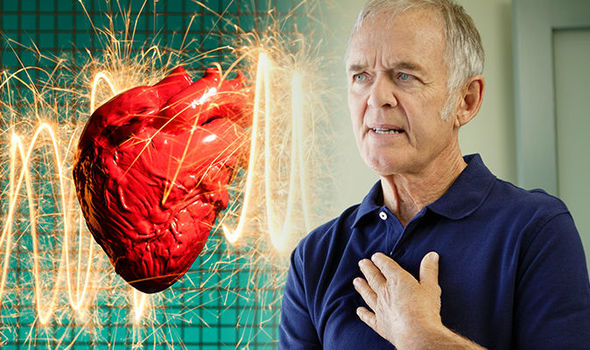
Recent scientific studies appear to support growing concerns about ultra-processed foods and cardiovascular disease. Research presented at the American College of Cardiology’s Annual Scientific Session found that people who consumed high amounts of ultra-processed foods faced a significantly higher risk of heart attacks, strokes, and early death. One study found that individuals eating more than nine servings of ultra-processed foods per day were approximately 67 percent more likely to experience major cardiac problems compared with people eating very small amounts. Researchers also discovered that the risk increased steadily with every additional serving consumed daily. Experts believe these foods may contribute to chronic inflammation, obesity, metabolic dysfunction, and fat accumulation around internal organs — all major risk factors for heart disease.
What Counts as Ultra-Processed Food?
Ultra-processed foods are industrially manufactured products that often contain additives, preservatives, artificial ingredients, and high levels of sugar, sodium, and unhealthy fats. Examples include packaged snacks, sugary drinks, frozen meals, processed meats, instant noodles, and many ready-made convenience foods. Health experts warn that these products are designed to be highly palatable and easy to overeat, while offering relatively little nutritional value. Another heart surgeon, Dr. Jeremy London, similarly warned people to avoid foods filled with additives and artificial ingredients, describing ultra-processed foods as harmful to long-term heart health.
Heart Experts Recommend Returning to Whole Foods
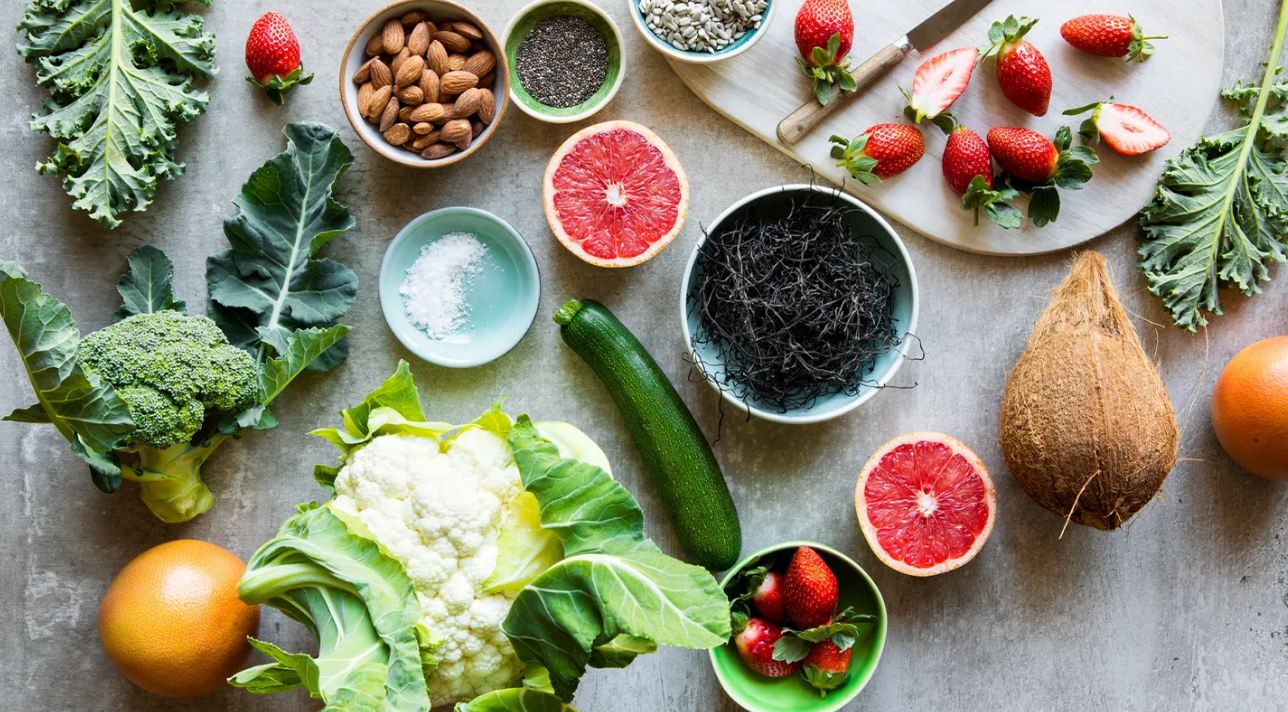
Rather than focusing on strict fad diets, many cardiologists recommend returning to simple whole foods and minimizing heavily processed meals. Updated guidance from the American Heart Association emphasizes diets rich in vegetables, fruits, whole grains, nuts, seeds, fish, and minimally processed proteins. The organization also advises reducing added sugars, sodium, and highly processed packaged foods whenever possible. Doctors stress that heart health is influenced by many factors, including physical activity, sleep, smoking, stress, and genetics. However, nutrition remains one of the most important controllable risk factors for preventing cardiovascular disease.
Small Dietary Changes May Make a Big Difference
Experts say people do not necessarily need perfect diets to improve heart health. Replacing processed snacks with whole foods, drinking more water, reducing sugary beverages, and preparing meals with fresh ingredients can all help lower cardiovascular risk over time. Cardiologists also encourage regular exercise, maintaining healthy blood pressure, controlling cholesterol levels, and scheduling routine medical checkups to identify warning signs early.