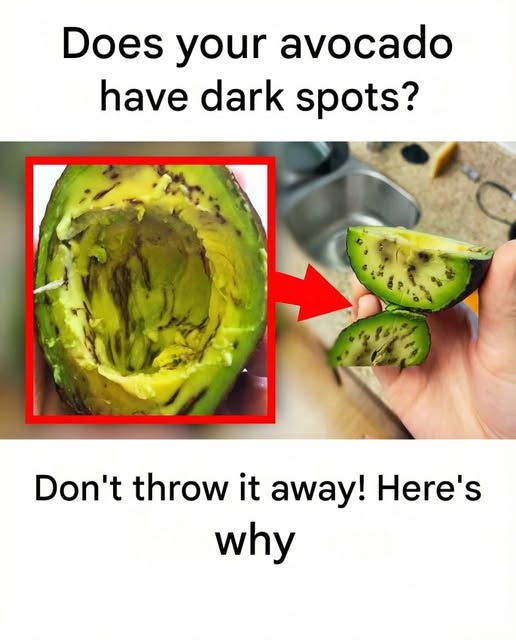
Avocados are a favorite ingredient in kitchens around the world, prized for their creamy texture, mild flavor, and impressive nutritional benefits. However, cutting open an avocado only to discover dark spots inside can be disappointing and confusing. Many people immediately wonder whether the fruit is still safe to eat or if it should be discarded.
The good news is that dark spots do not always mean an avocado has gone bad. Understanding what causes these marks can help you determine whether your avocado is still suitable for consumption.
Why Do Dark Spots Appear?
Dark spots inside an avocado can develop for several reasons. One of the most common causes is bruising. Avocados are delicate fruits that can be damaged during harvesting, transportation, or handling. When the flesh is subjected to pressure or impact, the affected areas may turn brown or black. Another common cause is over-ripening. As avocados continue to mature, their flesh naturally becomes softer. If left too long before being eaten, certain areas may begin to darken as the fruit starts to break down. In some cases, dark spots may result from vascular browning, a condition that affects the tiny fibers running through the fruit. This often appears as thin brown lines or patches and is generally harmless.
Are Dark Spots Safe to Eat?
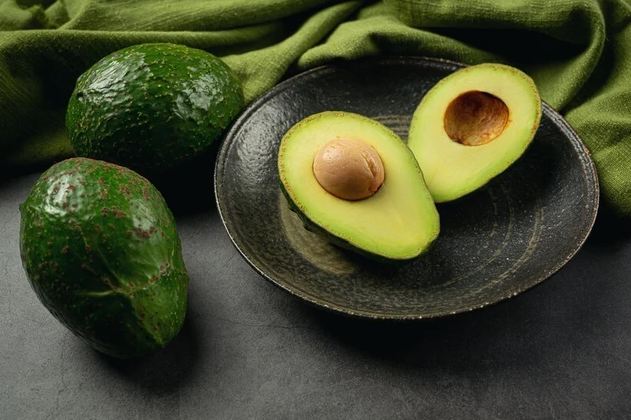
In many situations, yes. Small brown or black areas caused by bruising or natural ripening are usually safe to consume. If the rest of the avocado looks fresh, smells normal, and has a pleasant texture, you can simply cut away the discolored section and enjoy the remaining fruit. The key is to examine the avocado carefully. If the dark spots are isolated and the surrounding flesh remains green and creamy, there is typically no reason for concern. Many people mistakenly throw away perfectly edible avocados because of minor discoloration. Removing the affected portion is often all that is needed.
When Should You Throw It Away?
While some dark spots are harmless, there are signs that indicate an avocado may no longer be safe to eat. If the flesh is extensively black, mushy, stringy, or emits a sour or unpleasant odor, the fruit has likely spoiled. Mold growth is another clear warning sign that the avocado should be discarded immediately. A rancid smell is particularly important to watch for. Since avocados contain healthy fats, these fats can deteriorate over time, creating an unpleasant taste and odor. If you are unsure about the fruit’s condition, it is generally better to err on the side of caution and avoid eating it.
How to Prevent Discoloration
Proper storage can help reduce the likelihood of dark spots developing. Unripe avocados should be kept at room temperature until they soften. Once ripe, storing them in the refrigerator can slow the ripening process and extend freshness. After cutting an avocado, exposure to air can cause the flesh to brown quickly. Adding lemon or lime juice and storing the fruit in an airtight container can help minimize oxidation and preserve its appearance. Handling avocados gently can also prevent bruising that leads to internal dark spots.
The Bottom Line
Finding dark spots inside an avocado does not automatically mean the fruit is spoiled. In many cases, discoloration results from bruising, ripening, or harmless internal changes. If the avocado smells fresh and most of the flesh remains green and creamy, simply removing the affected areas is often enough. By understanding the difference between normal discoloration and true spoilage, you can reduce food waste and enjoy your avocados with greater confidence. The next time you spot a few dark patches, take a closer look before deciding whether the fruit belongs in your meal—or in the trash.