

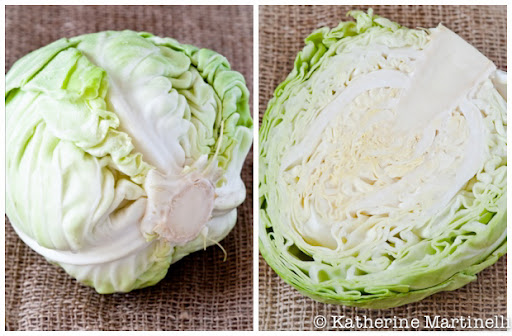
Cabbage is one of the most affordable and nutritious vegetables found in kitchens around the world. Whether enjoyed raw in salads, fermented into sauerkraut, or cooked in soups and stews, this leafy vegetable is packed with vitamins, minerals, and antioxidants that support overall health.
However, despite its impressive nutritional profile, cabbage may not be suitable for everyone. Certain individuals may need to limit their intake or consume it with caution due to specific health conditions.
Why Cabbage Is Considered Healthy
Cabbage belongs to the cruciferous vegetable family, which also includes broccoli, cauliflower, Brussels sprouts, and kale. It is low in calories yet rich in essential nutrients. A single serving of cabbage provides vitamin C, vitamin K, fiber, folate, and various plant compounds known for their antioxidant properties. These nutrients contribute to immune function, digestive health, and normal blood clotting. The vegetable is also a good source of fiber, helping support healthy digestion and promoting feelings of fullness.
People With Thyroid Conditions Should Be Careful
Individuals with certain thyroid disorders may need to pay attention to how much raw cabbage they consume. Cabbage contains naturally occurring substances called goitrogens, which can interfere with the thyroid’s ability to use iodine efficiently. In large amounts, particularly when consumed raw, these compounds may affect thyroid function in people who already have an underactive thyroid or iodine deficiency. Cooking cabbage significantly reduces the amount of these compounds. Most people with thyroid conditions can still enjoy moderate portions of cooked cabbage, but those with concerns should discuss their diet with a healthcare professional.
Those Taking Blood Thinners Need Consistency
Cabbage is rich in vitamin K, a nutrient that plays an important role in blood clotting. For people taking blood-thinning medications such as warfarin, sudden changes in vitamin K intake can affect how the medication works. This does not mean cabbage must be avoided entirely. Instead, healthcare providers generally recommend maintaining a consistent intake of vitamin K-rich foods rather than dramatically increasing or decreasing consumption. Anyone taking these medications should consult their doctor before making significant dietary changes.
People Prone to Digestive Discomfort
Although fiber supports digestive health, some individuals may experience bloating, gas, or abdominal discomfort after eating cabbage. This is because cabbage contains complex carbohydrates that can be fermented by bacteria in the digestive tract, producing gas as a by-product. People with sensitive digestive systems or conditions such as irritable bowel syndrome may find that large servings worsen symptoms. Cooking cabbage thoroughly and introducing it gradually into the diet may improve tolerance.
Individuals Following Low-FODMAP Diets
People managing digestive disorders under professional guidance may sometimes follow a low-FODMAP eating plan. Large portions of cabbage, particularly certain varieties, may not fit comfortably within this approach because they can trigger digestive symptoms in sensitive individuals. If you are following a medically supervised diet, it is important to seek advice from a qualified healthcare provider or registered dietitian regarding appropriate serving sizes.

Enjoying Cabbage Safely
For the vast majority of people, cabbage is a healthy addition to a balanced diet. It offers valuable nutrients, versatility in cooking, and an affordable way to increase vegetable intake. The key is moderation and awareness of individual health needs. Cooking methods, portion sizes, and existing medical conditions can all influence how well someone tolerates this popular vegetable. Cabbage deserves its reputation as a nutritional powerhouse, but like many foods, it is not a perfect fit for everyone. Understanding when caution may be necessary allows individuals to make informed choices while still enjoying the many benefits this humble vegetable has to offer.