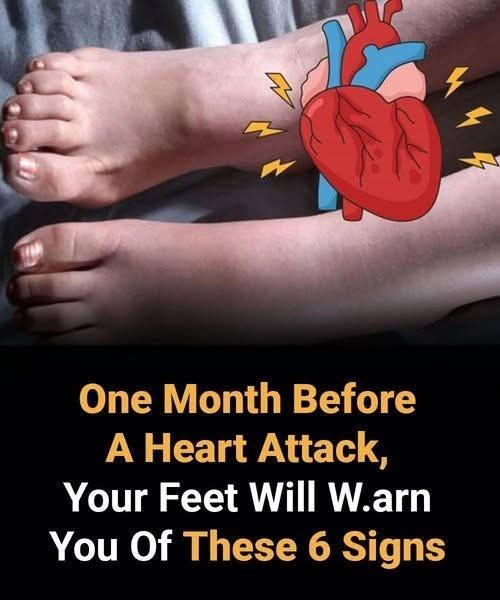
Many people think of heart problems as something that only causes chest pain or sudden severe symptoms. However, the body can sometimes give earlier warning signs in unexpected places including the feet. While these signs do not guarantee that a heart attack will happen, they may point to circulation issues or underlying cardiovascular problems that should not be ignored.
Understanding these signals can help people seek medical advice earlier and potentially reduce serious risks.
Why the Feet Can Reflect Heart Health
The heart is responsible for pumping blood throughout the entire body. When circulation becomes less efficient, the extremities—especially the feet and legs—are often the first areas to show changes. Because the feet are farthest from the heart, they rely on strong blood flow to receive oxygen and nutrients. Any reduction in circulation may lead to visible or physical symptoms. These changes are not always serious, but they can sometimes indicate conditions such as peripheral artery disease, high blood pressure, or other cardiovascular concerns.
Swelling in the Feet and Ankles
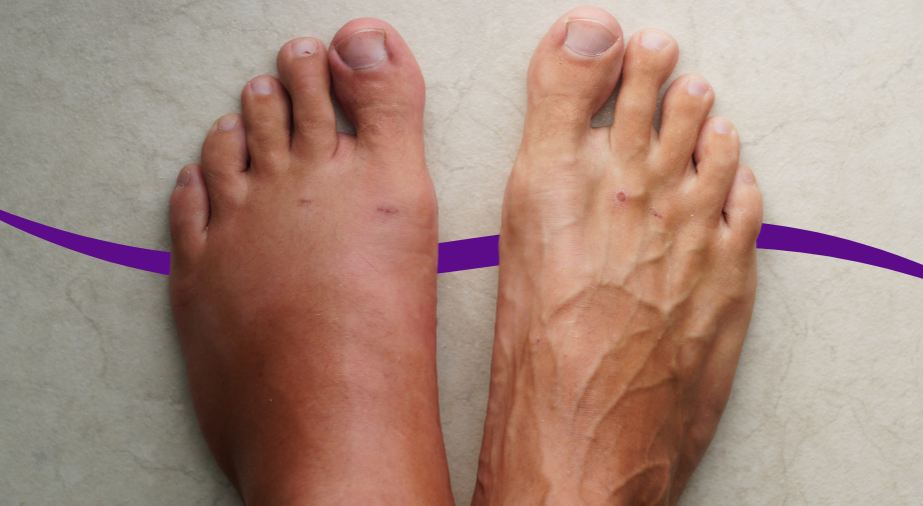
One of the most common signs people notice is swelling in the lower legs, feet, or ankles. This swelling, known as edema, can occur when the heart is not pumping blood efficiently. As a result, fluid may begin to accumulate in the lower parts of the body due to gravity. While swelling can also be caused by standing for long periods, heat, or minor injuries, persistent or unexplained swelling may require medical attention.
Cold Feet or Toes
Another possible sign is consistently cold feet or toes, even in warm environments. Reduced blood flow can make it harder for the body to maintain normal temperature in the extremities. This may sometimes be linked to narrowed arteries or circulation problems. However, cold feet can also be influenced by lifestyle factors, stress, or conditions like diabetes, so it should be considered alongside other symptoms.
Changes in Skin Color
Discoloration of the feet or toes can also be a warning sign. Pale, bluish, or reddish tones may suggest that blood is not flowing properly. In some cases, the skin may also appear shiny or tight due to swelling or fluid buildup. Any sudden or unusual change in skin color should be checked by a healthcare professional, especially if it persists.
Numbness or Tingling Sensations
Some people experience numbness, tingling, or a “pins and needles” feeling in their feet. These sensations can be related to nerve function, but they may also occur when blood circulation is reduced. Poor circulation limits oxygen supply to nerves, which can lead to discomfort or unusual sensations. While this can also be linked to conditions such as diabetes or nerve compression, persistent symptoms should not be ignored.
Slow-Healing Wounds or Sores
Cuts, blisters, or sores on the feet that take a long time to heal may indicate reduced blood flow. Good circulation is essential for the body’s natural healing process. When circulation is impaired, the healing process may slow down significantly. This symptom is particularly important because it may also increase the risk of infection if left untreated.
When to Seek Medical Advice
It is important to remember that these symptoms alone do not confirm heart disease or predict a heart attack. Many of them can be caused by less serious conditions. However, if multiple symptoms appear together or persist over time, it is advisable to consult a healthcare professional. Early evaluation can help identify underlying issues and allow for timely treatment.
Final Thoughts
The feet can sometimes offer subtle clues about overall cardiovascular health. Swelling, color changes, coldness, numbness, and slow-healing wounds may all be signals that the body is experiencing circulation problems. While these signs should not cause panic, they should encourage awareness. Paying attention to the body’s early warnings and seeking medical guidance when needed can play an important role in maintaining long-term heart health.