When shopping for chicken, many people instinctively judge the meat by its appearance. Some shoppers prefer chicken with a deep yellow color, while others believe pale pink meat looks fresher and healthier. But does the color of raw chicken actually tell you anything reliable about its quality?
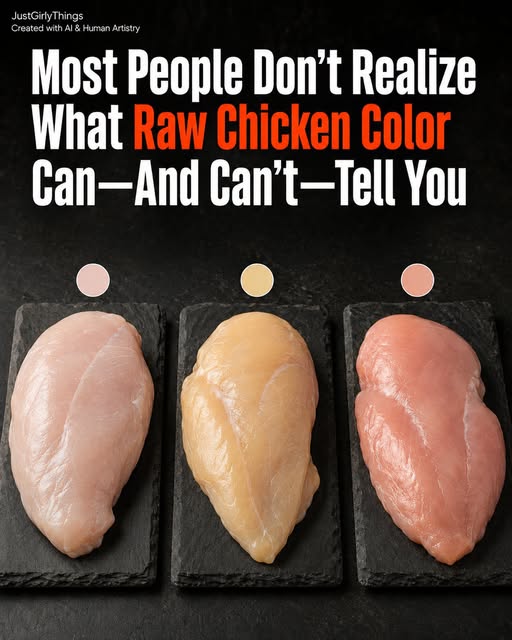
The answer may be surprising. The color of chicken is influenced by several factors and, by itself, is not a dependable indicator of freshness, safety, or nutritional value. Breed, diet, age, muscle activity, packaging, and oxygen exposure can all influence what chicken looks like. Understanding these differences can make grocery shopping easier and prevent consumers from making decisions based solely on appearance.
Why Is Some Chicken Yellow?
One of the most noticeable differences between chicken products is the color of the skin and fat. Some chickens have noticeably yellow skin, while others appear much paler. Diet can play an important role. Chickens that consume feed containing pigments called carotenoids may develop more yellow coloration in their skin and fat. These natural pigments are found in foods such as corn and certain plants. Breed and genetics can also influence coloration. Some chicken breeds naturally have more yellow pigmentation than others, meaning two perfectly healthy chickens raised under similar conditions can look noticeably different. Therefore, yellow skin does not automatically mean the chicken is better quality, more nutritious, or fresher.
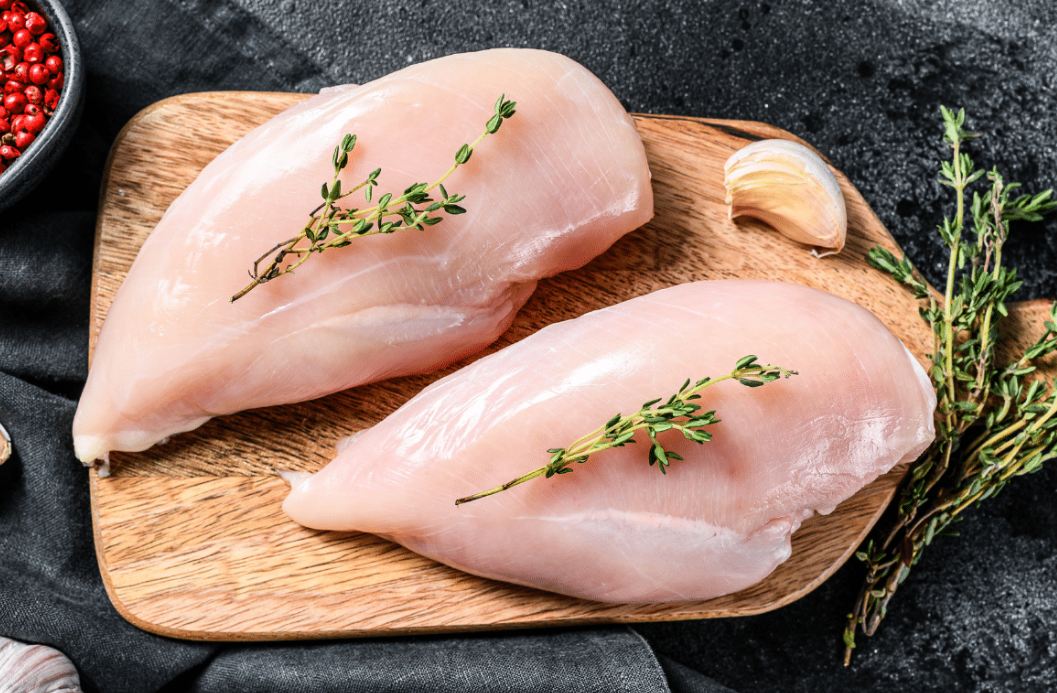
Why Does Chicken Meat Look Pink?
Raw chicken meat commonly ranges from pale pink to a deeper pinkish-red. This is largely related to the amount of myoglobin in the muscle. Myoglobin is a protein that stores oxygen in muscle tissue. Muscles that are used more frequently tend to contain more myoglobin and can therefore appear darker. Chicken breasts, for example, are generally lighter because they contain less myoglobin than muscles that receive more oxygen during activity. This is one reason different parts of the same chicken can have different shades. The presence of pink color in raw chicken is therefore completely normal.
Packaging Can Change Appearance
The way chicken is packaged can also affect its color. Exposure to oxygen changes the appearance of meat pigments, which can make chicken appear brighter or darker depending on how it has been stored and packaged. This means that comparing two packages based only on color can be misleading. A package containing chicken that looks slightly different from another does not necessarily contain better or worse meat. Instead, shoppers should consider the product’s expiration or use-by information, packaging condition, storage temperature, and overall appearance.
What Actually Matters When Buying Chicken?
Instead of focusing exclusively on color, consumers should look for signs that the chicken has been properly handled. The packaging should be intact, without excessive leaking or damage. The meat should be refrigerated or otherwise kept at an appropriate temperature, and shoppers should pay attention to the date information on the package. An unpleasant or unusual odor can also indicate spoilage, although consumers should never rely on smell alone to determine whether chicken is safe. Importantly, raw chicken can contain harmful bacteria such as Salmonella and Campylobacter without looking or smelling spoiled. This is why proper handling and cooking are essential.
Safe Preparation Matters Most
Regardless of whether chicken has yellow skin or pale pink meat, it should be cooked thoroughly. The U.S. Department of Agriculture recommends cooking poultry to a minimum internal temperature of 165°F (74°C), measured with a food thermometer. Checking temperature is much more reliable than judging doneness by color alone. Raw chicken should also be kept separate from ready-to-eat foods to prevent cross-contamination. Cutting boards, plates, knives, and countertops that come into contact with raw poultry should be cleaned properly. Washing raw chicken is not recommended because splashing water can spread bacteria around the kitchen.
Yellow Versus Pink: Which Is Better?
There is no simple winner. Yellow skin does not automatically indicate superior quality, while pink meat does not necessarily mean a chicken is fresher. These visual differences are often natural consequences of breed, diet, muscle composition, and processing.
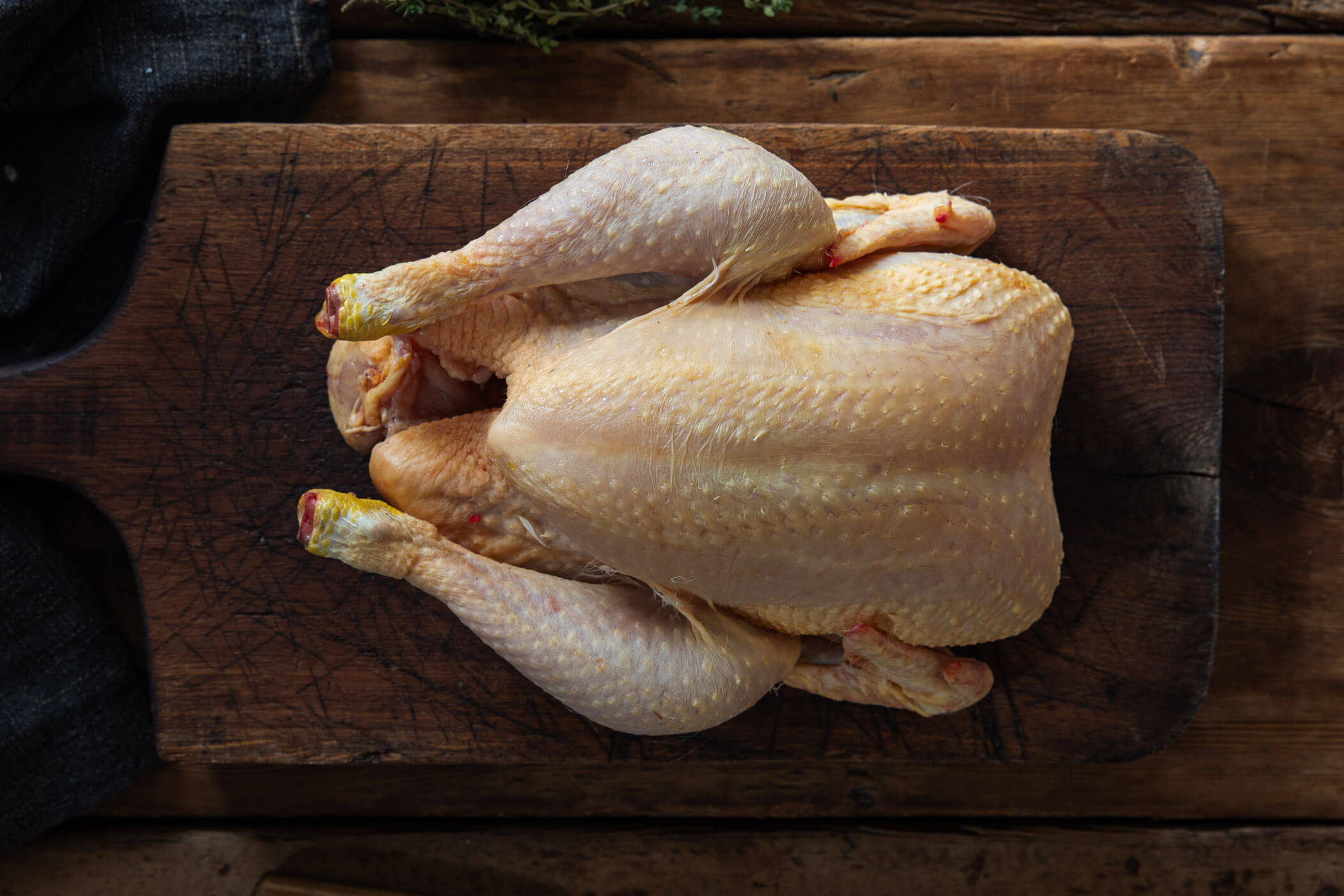
Instead of asking whether yellow or pink chicken is better, shoppers should ask whether the product has been stored properly, whether the packaging is intact, and whether it can be cooked safely.
The Real Lesson for Shoppers
The next time you stand in front of the refrigerated meat section and notice two chickens with different colors, there is no need to assume that one is automatically healthier or higher quality. Color can tell you something about the chicken, but it cannot tell you the whole story. Factors such as breed, diet, muscle composition, and packaging can all influence appearance. Food safety depends much more on proper refrigeration, hygienic handling, avoiding cross-contamination, and cooking chicken to the recommended internal temperature. So whether your chicken looks pale pink, slightly darker, or has distinctly yellow skin, appearance alone should never be the deciding factor. The safest choice is the chicken that has been properly handled, stored, and prepared.