If you have ever wondered whether an egg is still fresh, you may have heard of the popular water test. The method is remarkably simple: place an uncooked egg into a glass or bowl of water and observe whether it sinks or floats. The test has become a widely shared kitchen trick because it can provide a quick indication of an egg’s age. However, there is an important distinction between freshness and food safety. An egg that floats is generally older, but floating alone does not automatically mean that the egg is spoiled or dangerous to eat.
Understanding what the test can and cannot tell you can help prevent unnecessary food waste while still keeping your kitchen safe.
Why Do Eggs Float?
The science behind the test is surprisingly straightforward. Every egg contains a small air cell between its inner and outer membranes. As an egg ages, moisture and carbon dioxide gradually escape through tiny pores in the shell, while air enters the egg.

As this happens, the air pocket becomes larger. Eventually, the egg becomes buoyant enough to stand upright or float in water. A very fresh egg will generally sink and lie flat on the bottom. An older egg may sink but stand upright, while an even older egg can float. This primarily indicates age and quality, rather than proving that bacteria are present.
Does a Floating Egg Mean It Is Bad?
Not necessarily. The U.S. Department of Agriculture specifically notes that an egg can float because its air cell has become sufficiently enlarged to make it buoyant. Although this means the egg is of poorer quality, it may still be perfectly safe to use. If an egg floats, the recommended approach is to crack it into a separate bowl and examine it carefully. A strong unpleasant odor or unusual appearance is a much more important warning sign that the egg should be discarded. This is why the float test should be considered a freshness test rather than a definitive safety test.
The Smell Test Still Matters
When checking an older egg, crack it separately rather than directly into a recipe. This prevents one potentially spoiled egg from ruining an entire dish. A spoiled egg will usually have a distinctly unpleasant smell when the shell is broken, whether the egg is raw or cooked. If the egg has an unusual appearance or odor, it is safest not to use it. However, it is important to remember that harmful bacteria such as Salmonella cannot necessarily be detected by smell, appearance, or the float test. Even clean, uncracked eggs can contain bacteria capable of causing foodborne illness.
Proper Storage Is More Important
Rather than relying entirely on a kitchen test, proper storage is one of the most important ways to maintain egg safety. The FDA recommends keeping eggs refrigerated at 40°F (4°C) or below and storing them in their original carton. For best quality, refrigerated eggs should generally be used within about three weeks. Keeping eggs consistently cold slows bacterial growth and helps preserve their quality. It is also important to avoid using eggs with cracked shells, because cracks can provide opportunities for bacteria to enter.
How to Cook Eggs Safely”
Freshness is only one part of the equation. Eggs should also be handled and cooked properly. The FDA recommends cooking eggs until both the yolk and white are firm. Dishes containing eggs should be cooked thoroughly, with egg-based casseroles reaching 160°F (71°C). People who are particularly vulnerable to foodborne illness, including young children, older adults, pregnant women, and people with weakened immune systems, should take extra care with raw or undercooked eggs. For recipes that require raw or lightly cooked eggs, pasteurized eggs or egg products are a safer option.
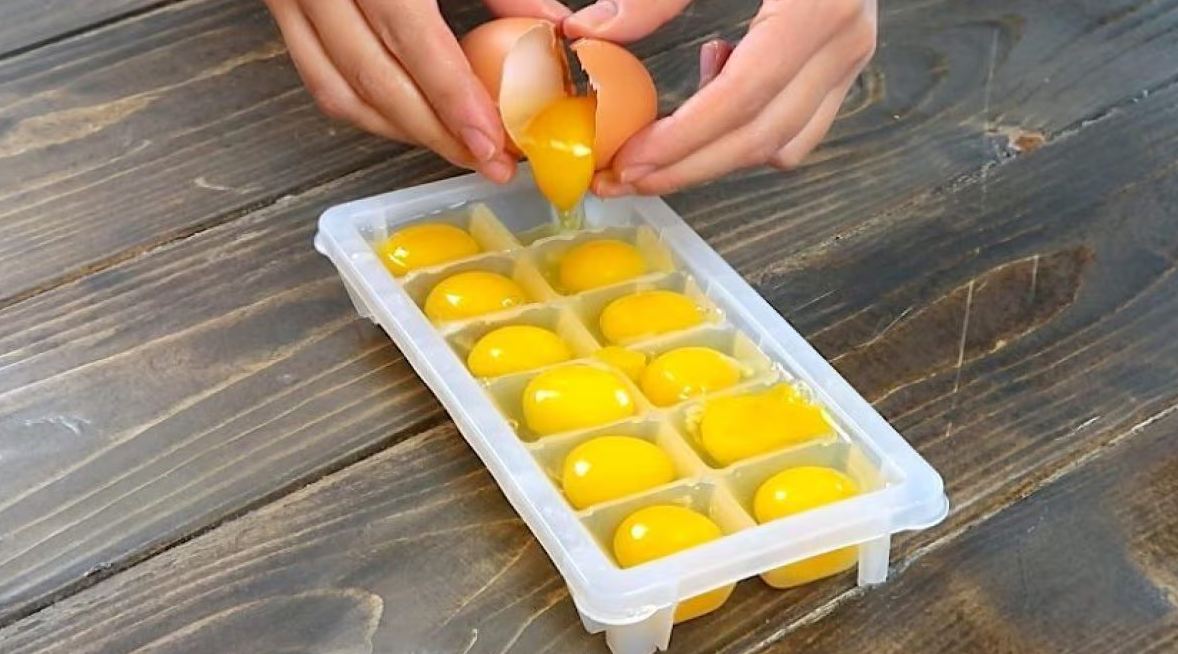
The Three-Second Trick Has Limits
The water test may be useful when you want to know whether an egg is relatively fresh, but it should never be treated as a guarantee of safety. A sinking egg is not automatically free from Salmonella, just as a floating egg is not automatically spoiled. Food safety depends on factors including refrigeration, handling, storage time, shell condition, and proper cooking. So, if your breakfast egg floats, there is no need to panic. Instead, crack it separately, check for an unmistakably bad odor or unusual appearance, and consider how it has been stored. The simple water test can tell you something useful about an egg’s age—but not everything about its safety.