As temperatures soar during summer heatwaves, many people instinctively reach for a cold shower before going to bed, believing it is the quickest way to cool down. However, sleep experts say this common habit may actually make it more difficult to fall asleep.Instead of helping the body prepare for rest, an icy shower can trigger responses that leave you feeling more alert and make it harder for your body to release excess heat naturally.
Understanding how the body regulates temperature can help improve sleep quality during periods of extreme heat.
Why Body Temperature Matters for Sleep
Falling asleep is closely linked to a natural drop in the body’s core temperature. As bedtime approaches, your body begins cooling itself as part of its normal sleep cycle. This gradual decrease signals to the brain that it is time to rest, encouraging the release of hormones that promote sleepiness. When outside temperatures remain high overnight, this cooling process becomes more difficult. As a result, many people struggle to fall asleep, wake frequently during the night, or feel less rested the following morning. Helping the body cool down naturally is therefore one of the most effective ways to improve sleep during a heatwave.
Why Ice-Cold Showers Can Backfire
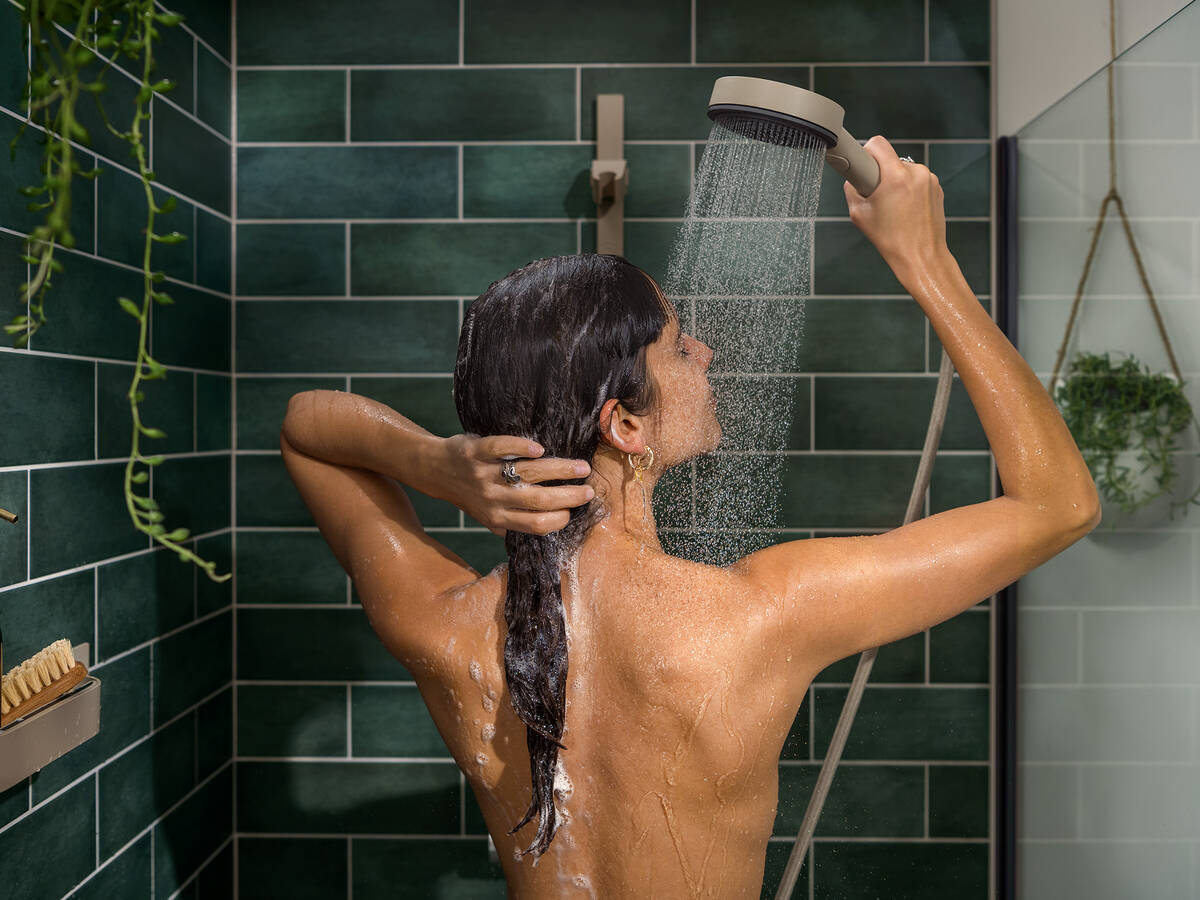
Although a freezing shower may feel refreshing at first, experts explain that it can have the opposite effect once you step out. Very cold water causes blood vessels near the surface of the skin to constrict. This reduces blood flow to the skin, making it harder for the body to release internal heat into the surrounding air. At the same time, the sudden shock of cold water can stimulate the nervous system, increasing alertness and making it more difficult to relax before bedtime. Instead of preparing the body for sleep, an icy shower may temporarily encourage it to conserve heat rather than lose it.
The Better Alternative
Sleep specialists generally recommend taking a lukewarm or slightly cool shower instead of an extremely cold one. Water that is comfortably cool without being icy helps remove sweat, refreshes the skin, and supports the body’s natural cooling process without triggering the stress response associated with freezing temperatures. After stepping out of a lukewarm shower, moisture evaporating from the skin continues to help cool the body, making it easier to become comfortable before bed. This approach can provide longer-lasting relief than an ice-cold shower.
Other Ways to Sleep Better in Hot Weather
Experts also recommend several simple strategies that can make sleeping during a heatwave more comfortable. Keeping curtains or blinds closed throughout the day helps prevent bedrooms from overheating. Opening windows after sunset, when outdoor temperatures begin to fall, may improve airflow if conditions outside are cooler. Lightweight cotton bedding and breathable sleepwear can also help reduce overheating by allowing air to circulate more freely around the body. Using a fan to improve air movement, staying well hydrated throughout the day, and avoiding heavy meals or alcohol shortly before bedtime may also contribute to a more restful night’s sleep.
Staying Safe During Extreme Heat
Heatwaves can affect more than just sleep. Extended periods of high temperatures increase the risk of dehydration, heat exhaustion, and heatstroke, particularly among older adults, young children, and people with chronic medical conditions. Health experts recommend drinking water regularly, limiting strenuous outdoor activity during the hottest parts of the day, and seeking cooler environments whenever possible. Anyone experiencing symptoms such as dizziness, confusion, rapid heartbeat, nausea, or fainting during extreme heat should seek medical attention promptly.

Small Changes Can Make a Big Difference
While a freezing shower may seem like the obvious solution on a hot night, sleep experts say a gentler approach is often far more effective. Choosing a lukewarm shower, keeping the bedroom as cool as possible, and supporting the body’s natural temperature regulation can all improve sleep quality during a heatwave. By making a few simple adjustments to an evening routine, many people can enjoy a more comfortable night’s rest—even when summer temperatures remain uncomfortably high.