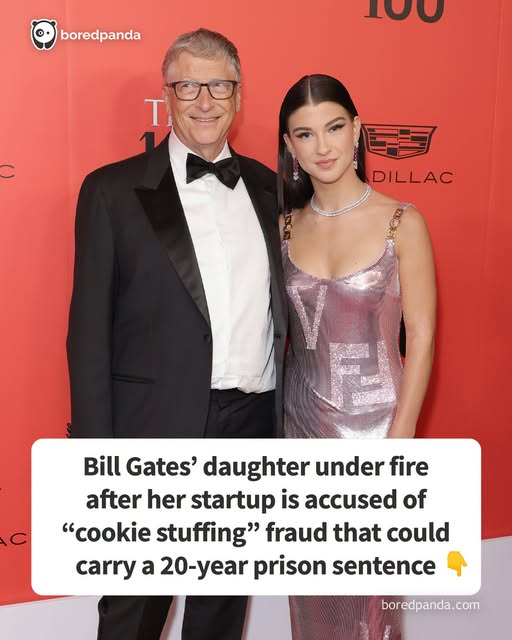
Phoebe Gates, the 23-year-old daughter of Microsoft co-founder Bill Gates, is facing intense scrutiny after her shopping startup, Phia, was accused of using a controversial affiliate-marketing practice known as “cookie stuffing.” The allegations have attracted significant attention because the company was presented as an innovative technology business designed to help shoppers find better prices and deals online.
Phia was founded by Gates and Sophia Kianni, a former Stanford classmate. The company developed a shopping app and browser extension that compares prices and helps consumers discover discounts. It has also attracted prominent investors and raised tens of millions of dollars, making the allegations particularly significant for the young company.
What Is Cookie Stuffing?
“Cookie stuffing” is a form of affiliate-marketing manipulation in which tracking cookies or referral information are placed in a user’s browser without the affiliate genuinely generating the purchase. Normally, affiliate marketing allows a company to receive a commission when it directs a customer to a retailer. For example, if a shopper clicks a legitimate referral link and then makes a purchase, the affiliate can receive credit for that sale. The controversy surrounding Phia centers on allegations that its technology could place its own affiliate tracking information during the checkout process, even when Phia had not originally directed the shopper to the retailer. According to reporting based on testing and an investigation, the system could open another browser tab and load Phia’s affiliate link, potentially allowing the company to claim credit for purchases generated elsewhere.

Allegations About Internal Knowledge
The controversy became even more serious after a later investigation reportedly uncovered internal communications suggesting that Phia was aware of the behavior for considerably longer than initially acknowledged. Reports say internal Slack messages indicated that Gates and Kianni discussed features connected with automatically dropping affiliate cookies. The findings have raised questions about whether the behavior was simply an unintended technical problem or something that the company knowingly allowed to operate. That distinction could be important because accidentally creating a software bug is very different from deliberately designing a system to claim commissions from sales it did not generate. However, it is important to emphasize that Gates has not been convicted of a crime, and the allegations do not automatically establish criminal liability. The reported maximum penalty of 20 years relates to potential federal fraud charges in circumstances where prosecutors could prove the necessary criminal elements; it does not mean Gates has been sentenced or is facing an automatic 20-year prison term.
Phia Responds
Phia has disputed aspects of the allegations and said the problematic functionality was removed. The company has also said it intends to reverse transactions that were improperly attributed and has announced additional compliance measures. The startup reportedly removed the feature in July after the issue was raised. Phia also announced plans to strengthen its internal oversight by bringing in a compliance officer. The company’s response comes at a difficult moment because the controversy has already affected its relationships within the affiliate-marketing industry. Phia was reportedly suspended from Impact.com following the initial allegations.

What Happens Next?
The situation could have major consequences for Phia, particularly because the startup had been building a high-profile reputation in the competitive shopping-technology sector. For Phoebe Gates, the controversy is also especially notable because she has previously spoken publicly about the pressure of being viewed as a “nepo baby” and wanting to establish herself independently of her family’s wealth and influence. Her involvement with Phia was widely portrayed as part of that effort. For now, the allegations remain allegations, and any criminal consequences would depend on investigations and potential legal proceedings. The central questions will be whether the affiliate-tracking practices were intentional, who knew about them, how long they operated, and whether retailers were financially harmed. Regardless of what happens legally, the controversy has placed Phia and its founders under considerably more scrutiny. What began as a fashionable technology startup promising smarter online shopping has now become a closely watched case about affiliate marketing, corporate responsibility and the difficult line between an aggressive business strategy and potentially deceptive conduct.