

Earaches are a common problem that can affect both children and adults. They may be caused by ear infections, pressure changes, allergies, sinus problems, excess earwax, or irritation of the ear canal. While some cases require medical treatment, mild discomfort can sometimes be managed at home using simple remedies that help reduce pain and improve comfort.
Understanding which approaches are safe—and knowing when to seek professional care—is important when dealing with ear pain.
What Causes Earaches?
An earache is a symptom rather than a condition itself. Several factors can trigger pain in or around the ear, including:
Middle ear infections
Swimmer’s ear (outer ear infection)
Sinus congestion
Allergies
Earwax buildup
Changes in air pressure
Sore throat or dental problems
Jaw disorders such as TMJ
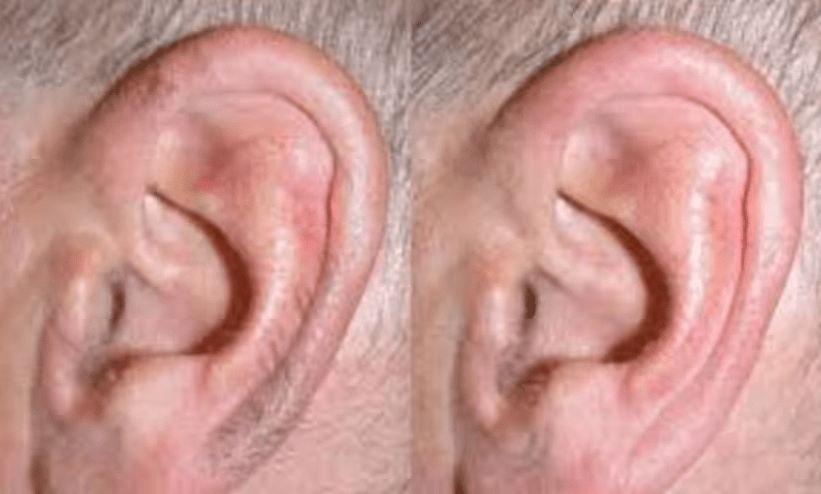
Because the causes vary widely, treatment depends on the underlying problem.
Warm Compresses
One of the simplest ways to relieve ear discomfort is applying a warm compress to the affected area. A warm cloth or heating pad wrapped in a towel can be placed against the ear for 10 to 20 minutes at a time. The warmth may help improve circulation, relax surrounding muscles, and temporarily reduce pain. Care should be taken to avoid excessive heat, particularly when treating children.
Rest and Hydration
When ear pain is related to a viral illness, cold, or sinus infection, getting adequate rest can support the body’s natural recovery process. Staying hydrated may also help keep mucus thinner and encourage drainage from the ears and sinuses. Drinking water throughout the day is a simple but often overlooked part of recovery.
Elevating the Head
Lying completely flat can sometimes increase pressure in the ear. Sleeping with the head slightly elevated may promote drainage and reduce discomfort, particularly when congestion or fluid buildup is contributing to symptoms. Adults can use an extra pillow, while infants should never have loose pillows placed in their sleeping area due to safety concerns.
Managing Nasal Congestion
Because the ears, nose, and throat are closely connected, congestion can contribute to ear pressure and discomfort. Gentle saline nasal sprays or saline rinses may help clear nasal passages and improve airflow. Some people also find that taking a warm shower allows steam to temporarily ease congestion. Reducing nasal blockage can sometimes lessen pressure within the middle ear.
Chewing and Swallowing
For ear discomfort caused by pressure changes, such as during air travel or elevation changes, chewing gum, swallowing, or yawning may help open the Eustachian tubes. These tubes connect the middle ear to the back of the throat and help equalize pressure. When they function properly, pressure-related discomfort often improves.
When Earwax Is the Problem
Excess earwax can occasionally cause pain, fullness, or temporary hearing changes. However, inserting cotton swabs or other objects into the ear is generally discouraged because it may push wax deeper and potentially damage the ear canal. If earwax buildup is suspected, over-the-counter softening drops may help, or a healthcare professional can safely remove the blockage.
Remedies to Approach With Caution
Many home remedies are promoted online, including oils, herbal extracts, and various substances placed directly into the ear canal. Medical experts generally advise caution with these approaches, especially when the cause of the ear pain is unknown. Introducing liquids into the ear may worsen some conditions or create complications if there is a perforated eardrum. When in doubt, it is safer to seek professional guidance before putting anything into the ear.
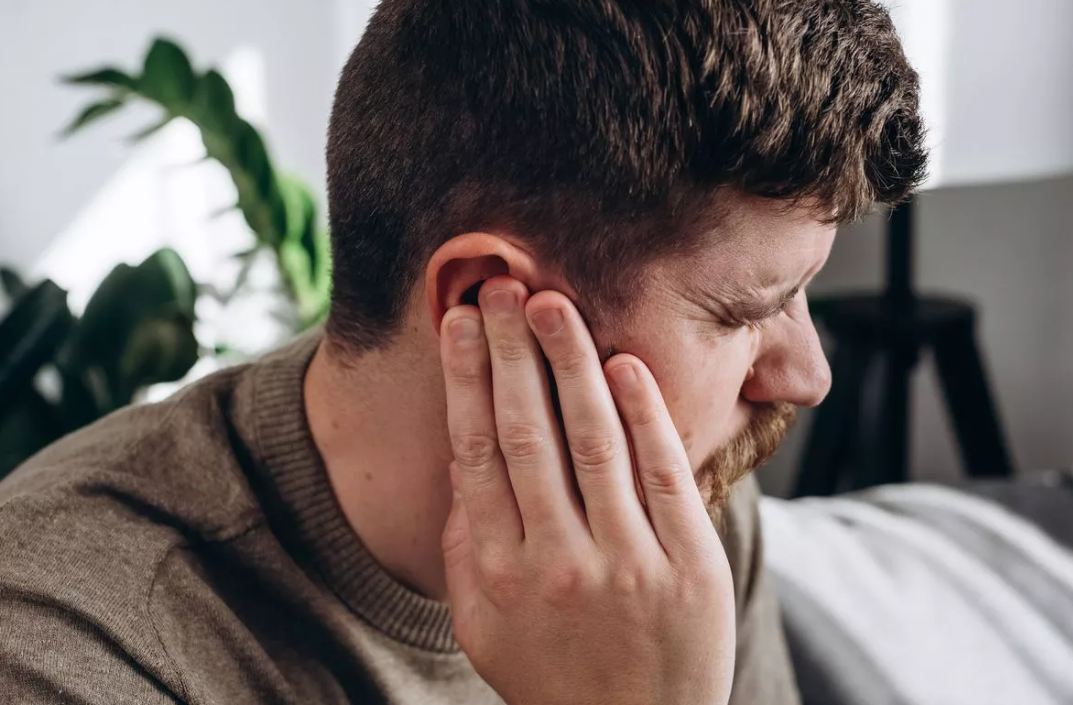
When to See a Doctor
While mild ear discomfort may improve on its own, medical attention should be sought if symptoms include:
Severe pain
High fever
Fluid, blood, or pus draining from the ear
Sudden hearing loss
Dizziness or balance problems
Symptoms lasting more than a few days
Ear pain in infants or very young children
These signs may indicate an infection or another condition that requires professional evaluation.
The Bottom Line
Home remedies such as warm compresses, rest, hydration, and congestion relief may provide temporary comfort for mild earaches. However, not all ear pain has the same cause, and some cases require medical treatment. The safest approach is to use gentle, low-risk methods for symptom relief while monitoring for warning signs. If pain is severe, persistent, or accompanied by concerning symptoms, consulting a healthcare professional is the best way to ensure proper treatment and prevent complications.