
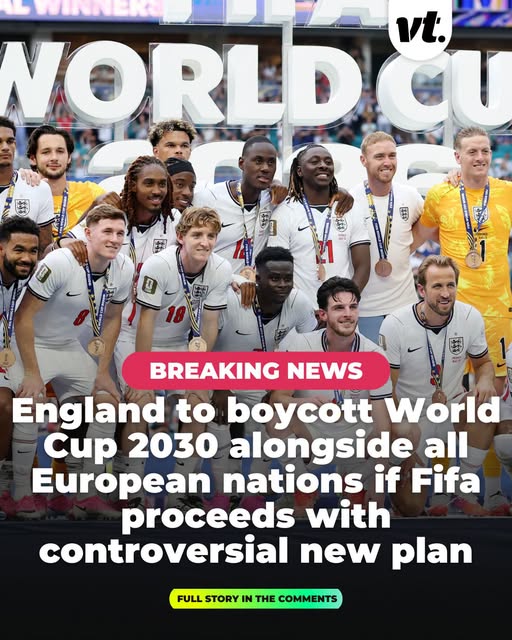
England’s national football team has become the focus of growing political and sporting debate after calls emerged for the Football Association (FA) to consider boycotting future FIFA competitions. The discussion follows a series of controversial decisions surrounding the 2026 FIFA World Cup, prompting renewed criticism of football’s governing body and its leadership.
Although no official boycott has been announced, several public figures, campaign groups, and former players have argued that stronger action may be necessary if FIFA fails to address concerns about governance, transparency, and disciplinary consistency. The debate has quickly spread across social media, where fans remain divided over whether refusing to participate in future tournaments would be an effective way to push for reform or would unfairly punish players who have spent years working toward international competition.
Frustration Over FIFA’s Decisions
Much of the criticism centers on FIFA’s handling of several controversial incidents during the tournament. Questions have been raised about disciplinary decisions involving national teams, political messages displayed during matches, and the consistency of punishments issued throughout the competition. Critics argue that football’s governing body has not applied its regulations equally in every situation. They believe greater transparency is needed so supporters, players, and national associations clearly understand how decisions are reached. Others, however, have defended FIFA’s actions, pointing out that every disciplinary case is reviewed individually according to the organization’s established rules and available evidence. They argue that difficult decisions are unavoidable during tournaments involving dozens of countries and thousands of participants.
Could England Really Boycott?
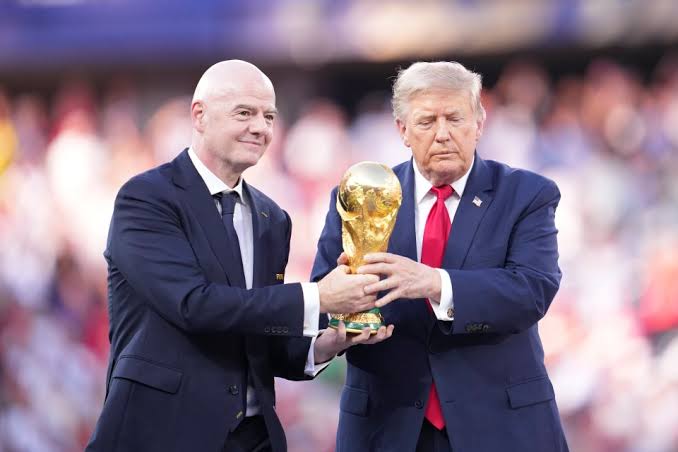
While the idea of England refusing to participate has generated significant headlines, experts believe such a decision would be extremely unlikely. Missing a FIFA World Cup would have enormous sporting, financial, and commercial consequences for the Football Association, players, broadcasters, sponsors, and supporters. England is one of the world’s most successful and influential football nations, and participation in major international tournaments remains one of the country’s highest sporting priorities. Current and former players have repeatedly expressed how representing England at the World Cup is the greatest achievement of many professional careers. For that reason, any proposal to withdraw would almost certainly face strong opposition from within the football community.
Fans Express Mixed Opinions
The possibility of a boycott has produced passionate reactions among supporters. Some believe taking a firm stand would demonstrate that football should place principles ahead of commercial interests. They argue that governing bodies can only be encouraged to reform if major football nations are willing to challenge the status quo. Others strongly disagree, insisting that players should never lose the opportunity to compete because of disputes between football administrators. Many supporters believe athletes should not be punished for decisions made by governing organizations. Online discussions have reflected these contrasting opinions, with thousands debating whether meaningful change can be achieved without affecting the players themselves.
FIFA Faces Continued Scrutiny
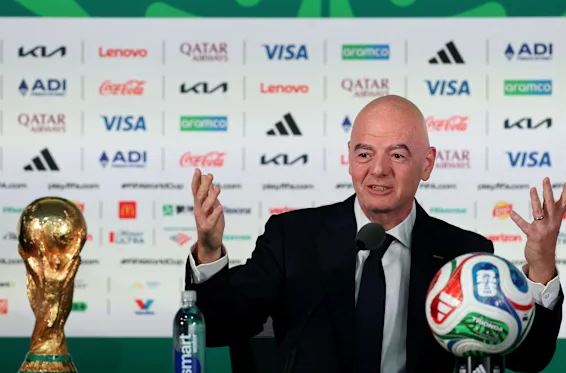
The latest controversy adds to ongoing discussions about FIFA’s leadership and the future direction of international football. Over the past several years, the organization has faced criticism over tournament scheduling, disciplinary procedures, political issues, and governance. At the same time, FIFA continues to defend its decision-making process, stating that its rules are designed to protect the integrity of international competitions while ensuring fairness for every participating nation. Officials have maintained that disciplinary investigations and tournament regulations are applied according to established procedures, even when the resulting decisions prove unpopular with certain fans or national associations.
What Happens Next?
At present, there is no indication that England plans to withdraw from future FIFA competitions. The Football Association has not announced any intention to boycott upcoming tournaments, and preparations for future international fixtures are expected to continue as normal. Nevertheless, the debate highlights growing frustration among some supporters regarding the governance of world football. Whether those concerns eventually lead to meaningful reforms remains uncertain, but the conversation has once again placed FIFA under intense public scrutiny. For now, England’s focus remains on rebuilding after another major tournament and preparing for future challenges. While calls for a boycott have generated widespread discussion, any decision of such magnitude would require careful consideration of its impact on players, supporters, and the future of international football as a whole.