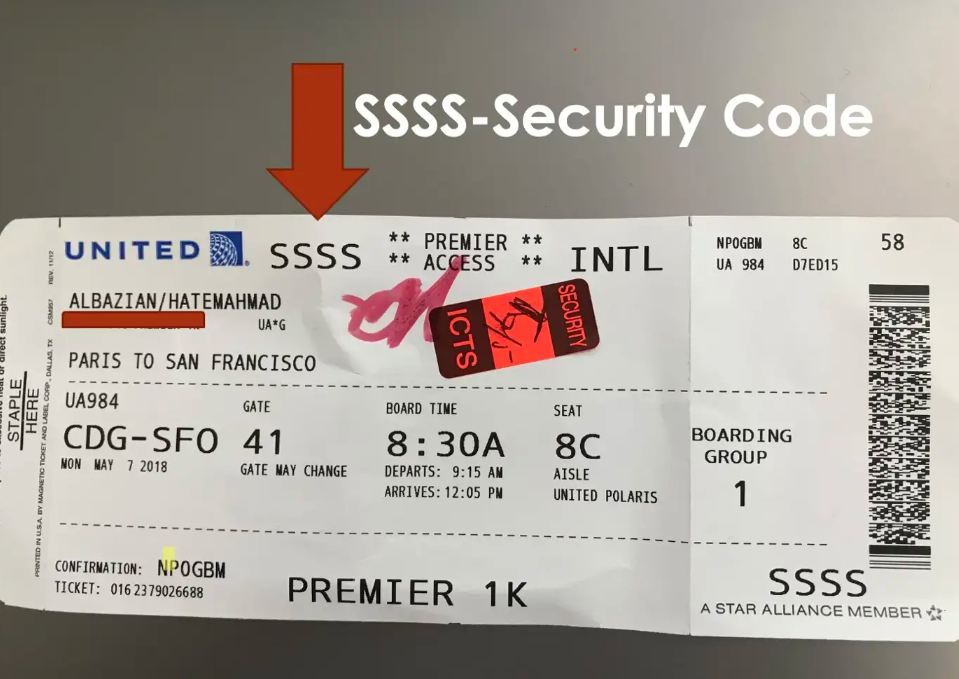
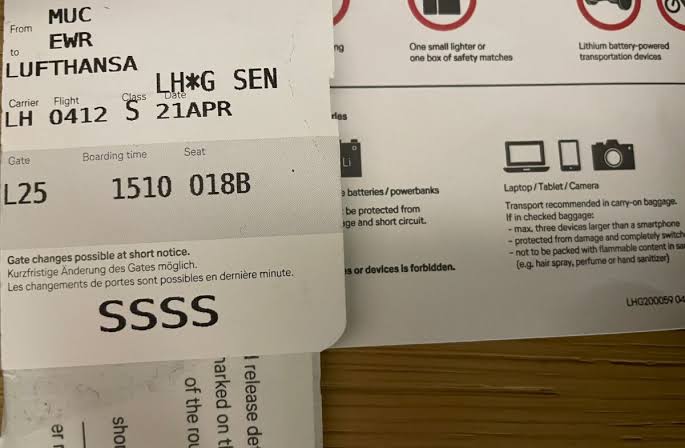
Many travelers carefully check their boarding passes for important details such as their gate number, seat assignment, and boarding group. However, some passengers notice a strange four-letter code printed on their ticket: SSSS. Seeing these letters can create confusion and concern, especially for people who have never encountered them before. The code stands for Secondary Security Screening Selection, meaning the passenger has been chosen for additional security procedures before boarding a flight.
Although the process may feel inconvenient, receiving the SSSS designation does not automatically mean a traveler has done anything wrong or is suspected of a crime. It is simply part of a security system designed to provide an extra layer of protection for air travel.
What Happens During Secondary Screening?
Passengers with the SSSS code are usually required to complete additional security checks at the airport. Instead of going through the standard screening process only, they may experience a more detailed inspection before being allowed to board. The additional screening can include a more thorough examination of carry-on luggage, additional questions from security officers, inspection of electronic devices, and sometimes a physical screening. The process is handled by airport security personnel and is intended to confirm that the passenger and their belongings meet safety requirements. Because these checks take extra time, travelers who notice the SSSS code on their boarding pass are often advised to arrive at the airport earlier than usual. Missing the boarding time can become a greater risk when additional procedures are required.
Why Are Some Travelers Selected?
The exact reasons why a passenger receives the SSSS code are not always publicly explained. Security systems use a variety of factors when selecting travelers for additional screening, and the process may involve both random selection and risk-based methods. Some passengers may receive the code because of travel patterns, ticket details, international routes, or other factors analyzed by security systems. Others may simply be selected randomly as part of routine aviation safety measures. Being selected does not mean someone is on a watchlist or that authorities believe they have committed a violation. Many completely ordinary travelers have experienced secondary screening without any further issues.
Common Situations That May Lead to Extra Screening
While there is no guaranteed formula for receiving the SSSS code, travelers have reported seeing it more often in certain situations. These may include last-minute flight bookings, one-way international trips, unusual travel patterns, or flights involving certain destinations. Changes to travel plans, purchasing tickets close to departure, or using different booking methods may also sometimes coincide with additional screening. However, there is no official public checklist that explains exactly who will be selected. The system is designed to remain unpredictable, which helps maintain airport security by preventing people from knowing exactly how screening decisions are made.
How to Make the Process Easier
If you receive an SSSS code on your boarding pass, the best approach is to remain calm and prepared. Arriving early gives you enough time to complete the additional steps without unnecessary stress. Keep important travel documents easily accessible, organize your carry-on items, and cooperate with security staff throughout the process. Most passengers who experience secondary screening are able to continue their journey without major problems. Travelers should also avoid making assumptions about why they were selected. Security systems are designed to identify situations requiring additional attention, but selection alone does not indicate wrongdoing.
A Reminder About Modern Air Travel Security
The SSSS code is one of many security measures used to protect passengers and airline staff. While additional screening may feel inconvenient, it plays an important role in maintaining safe air travel worldwide. For most travelers, receiving this code is simply a temporary delay rather than a serious concern. Understanding what it means can help passengers feel more prepared and less anxious if they encounter it during their next trip.