
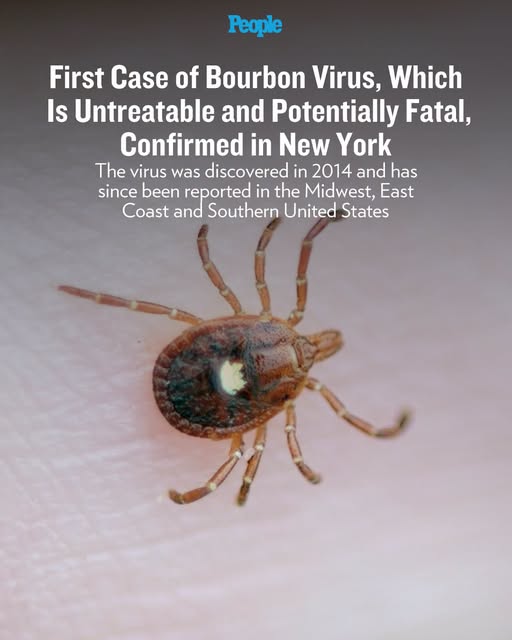
Health officials have confirmed the first known case of Bourbon virus in New York, drawing attention to a rare tick-borne illness that remains unfamiliar to many people. Although infections are considered uncommon, the case has prompted experts to remind the public about the importance of preventing tick bites, especially during the warmer months when ticks are most active.
Medical professionals emphasize that the overall risk to the general public remains low. However, awareness is essential because early recognition of symptoms and proper protection against ticks can help reduce the likelihood of infection.
What Is Bourbon Virus?
Bourbon virus is a rare virus transmitted through the bite of infected ticks. It was first identified in the United States in 2014 after a patient developed a severe illness following a tick bite. Since then, only a limited number of confirmed cases have been reported, making it one of the country’s least common tick-borne diseases. Researchers are still studying the virus to better understand how frequently it circulates in wildlife and how often humans may become infected. Because confirmed cases remain relatively rare, scientists continue monitoring its spread and geographic distribution. Unlike more familiar illnesses such as Lyme disease, Bourbon virus infections are not widely recognized, which can make diagnosis more challenging.
Common Symptoms
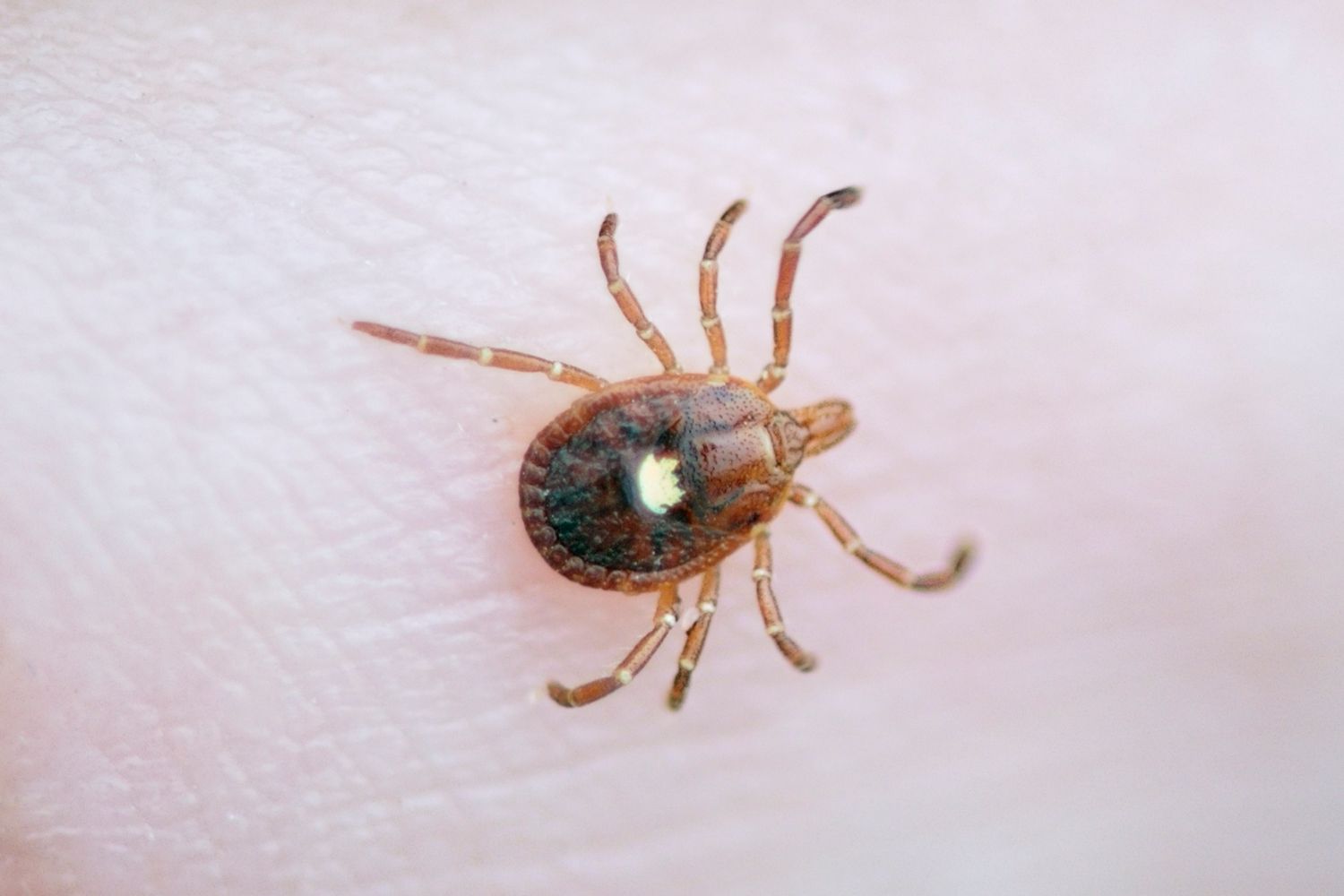
Symptoms usually begin several days after a tick bite, although many people never notice being bitten because ticks can be extremely small. Patients may experience fever, fatigue, headache, muscle aches, joint pain, nausea, loss of appetite, or a general feeling of illness. In some cases, laboratory tests reveal low white blood cell counts and reduced platelet levels. Severe infections are uncommon but can require hospitalization, particularly in older adults or individuals with underlying medical conditions. Since these symptoms overlap with many other viral illnesses, healthcare providers often rely on specialized laboratory testing when Bourbon virus is suspected.
How the Virus Spreads
Current evidence suggests that the virus is primarily spread through the bite of infected ticks. Researchers believe certain wildlife species may serve as natural hosts, allowing the virus to circulate in the environment. The illness is not known to spread through casual contact between people, meaning normal daily interactions do not pose a transmission risk. Health officials continue studying the virus to better understand its ecology and identify areas where infected ticks may be present.
Preventing Tick Bites
Experts agree that preventing tick bites remains the best defense against Bourbon virus and other tick-borne illnesses. People spending time in wooded areas, tall grass, or brush are encouraged to wear long sleeves, long pants, and closed shoes whenever possible. Using insect repellents approved for tick protection and treating clothing with appropriate products can provide additional protection. After returning indoors, individuals should carefully check themselves, children, and pets for ticks. Removing attached ticks promptly may reduce the risk of several tick-borne diseases. Keeping lawns trimmed and clearing brush around homes can also make outdoor spaces less attractive to ticks.
Why Surveillance Matters
The confirmation of a new case does not necessarily indicate that the virus is spreading rapidly. Instead, it highlights the importance of disease surveillance and improved laboratory testing. Public health agencies routinely monitor emerging infectious diseases to identify changes in distribution and better understand potential health risks. Detecting rare infections helps researchers learn more about where viruses exist and how they may affect different communities. Continued surveillance also supports the development of more accurate diagnostic tests and future prevention strategies.

Staying Informed Without Panic
While headlines about rare viruses often generate concern, health experts stress that perspective is important. Millions of people spend time outdoors every year without becoming seriously ill from tick-borne infections. Simple precautions—such as wearing protective clothing, using insect repellent, performing regular tick checks, and seeking medical advice if unusual symptoms develop after a tick bite—can significantly reduce risk. The recently confirmed case serves as a reminder that awareness is one of the most effective public health tools. By understanding how tick-borne diseases spread and taking practical preventive measures, people can continue enjoying outdoor activities while protecting themselves and their families from unnecessary health risks.