
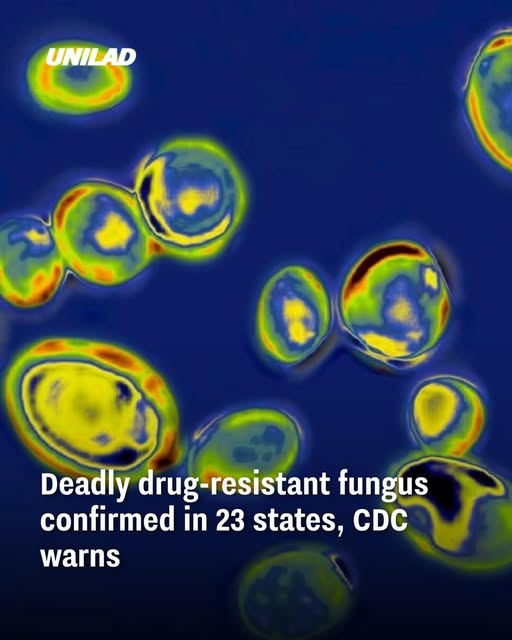
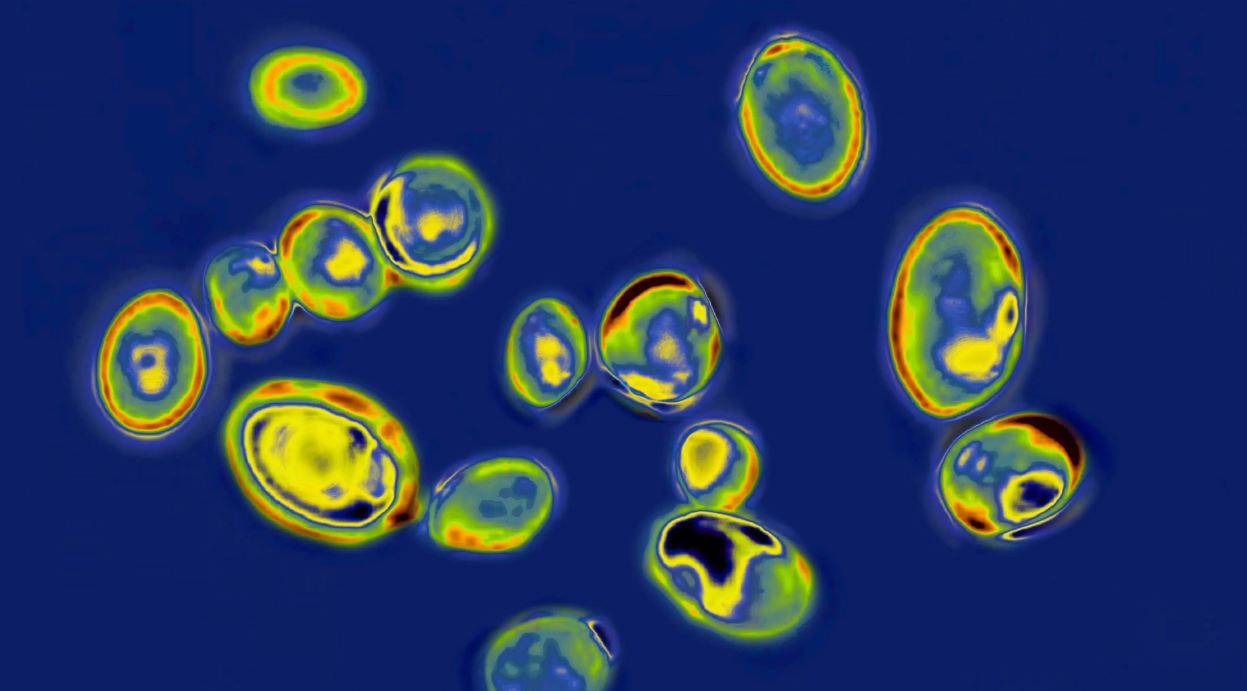
Health officials in the United States continue to monitor the spread of Candida auris, a drug-resistant fungus that has become an increasing concern in hospitals and long-term care facilities. Since it was first identified in 2009, the organism has appeared in numerous countries and has proven particularly difficult to control because it can survive on surfaces for extended periods and resist several commonly used antifungal medications.
Recent surveillance data show that Candida auris has been detected in multiple U.S. states, prompting healthcare providers to strengthen infection prevention measures. While the fungus does not pose a significant threat to most healthy people, it can cause severe infections in individuals with weakened immune systems or those receiving intensive medical care.
Why Candida auris Is Different
Unlike many other fungal infections, Candida auris is notable for its ability to resist treatment. Some strains are resistant to one or more classes of antifungal drugs, making infections more difficult to manage. In rare cases, doctors have identified strains with resistance to nearly all available treatment options, creating major challenges for healthcare teams. Another concern is that the fungus can remain on hospital equipment, bed rails, furniture, and other frequently touched surfaces. Without thorough cleaning and strict infection-control procedures, it can spread from one patient to another within healthcare facilities.
Who Faces the Greatest Risk?
The majority of healthy individuals are unlikely to become seriously ill after exposure to Candida auris. The highest risk is among patients who are already medically vulnerable. This includes people receiving treatment in intensive care units, individuals with central venous catheters, patients who require ventilators, nursing home residents, and those with weakened immune systems due to illness or medical treatments. People who have recently undergone major surgery or have long hospital stays may also face a higher chance of developing an infection. Healthcare professionals emphasize that these infections are primarily associated with medical settings rather than everyday community exposure.
Symptoms Can Be Difficult to Recognize
Symptoms of a Candida auris infection vary depending on the part of the body affected. Patients with bloodstream infections may develop fever, chills, or signs of sepsis that do not improve despite antibiotic treatment. Because many affected patients are already seriously ill, distinguishing symptoms caused by the fungus from those related to existing medical conditions can be difficult. Diagnosis requires specialized laboratory testing because Candida auris may be mistaken for other types of yeast using conventional methods. Early identification is important, allowing healthcare providers to begin appropriate treatment and implement measures to reduce further spread.
Preventing Transmission
Hospitals and long-term care facilities play a crucial role in preventing outbreaks. Infection-control measures include careful hand hygiene, wearing appropriate protective equipment, isolating affected patients when necessary, and using disinfectants proven to eliminate the fungus from environmental surfaces. Healthcare workers are also encouraged to screen high-risk patients when outbreaks occur so carriers can be identified before the organism spreads to others. Ongoing surveillance helps public health authorities monitor emerging cases and respond quickly when clusters are detected.

Continuing Vigilance
Public health experts stress that the appearance of Candida auris in additional locations does not mean the general public should panic. Instead, it highlights the importance of continued monitoring, improved laboratory detection, responsible use of antifungal medications, and strong infection-control practices in healthcare settings. Researchers continue studying new treatment options while hospitals refine strategies to reduce transmission. As surveillance expands and awareness grows, health authorities hope earlier detection and coordinated prevention efforts will help limit the impact of this challenging drug-resistant fungus. Although Candida auris remains a serious healthcare concern, experts emphasize that informed medical practices and ongoing public health vigilance remain the most effective tools for protecting vulnerable patients.