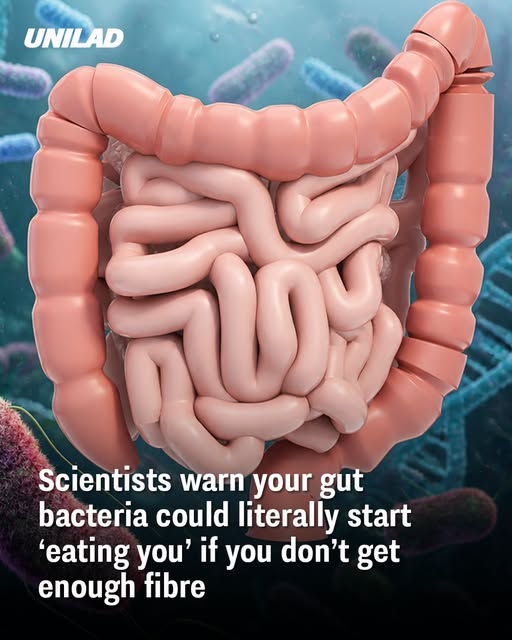
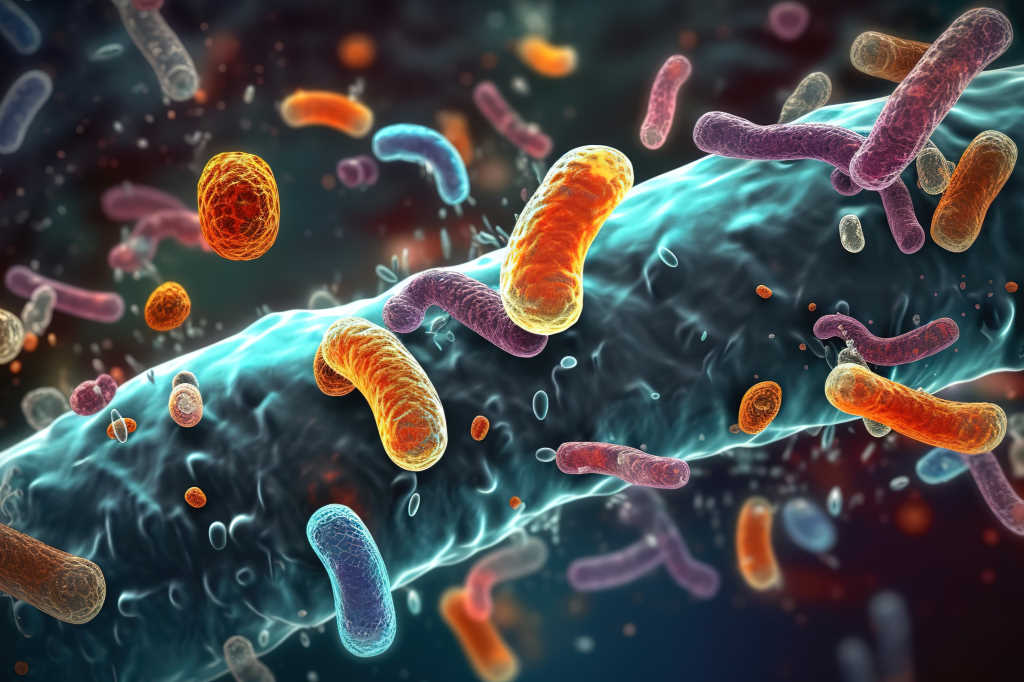
The trillions of microorganisms living inside the human digestive system are often described as tiny partners that help keep us healthy. They assist with digestion, influence metabolism, and interact with the immune system. But new research suggests that what we feed these microbes may be even more important than previously understood.
When dietary fibre becomes scarce, some gut bacteria may begin looking for alternative sources of nutrition. Researchers have found that this can include components of the mucus layer protecting the intestinal wall. The finding highlights how closely diet, gut bacteria, and the intestinal barrier are connected.
The Protective Mucus Barrier
Inside the intestine is a layer of mucus that acts as an important protective barrier. It helps keep enormous numbers of microorganisms separated from the intestinal tissue while also providing a habitat for certain microbes. This mucus is continuously produced and renewed by specialized intestinal cells. When the balance between mucus production and breakdown is disrupted, the protective barrier can become thinner or more vulnerable. Earlier experimental research has already shown that prolonged fibre deprivation can cause gut microbes to consume components of the mucus barrier in animal models. Other research suggests that a lack of fibre can also reduce mucus production itself, meaning several mechanisms may contribute to deterioration of this protective layer.
What the New Research Found
The latest research examined how gut microbes process nutrients when their preferred food sources are limited. Scientists used isotope-labelled proteins to follow how compounds were broken down in mice. The results indicated that when dietary fibre and certain plant-derived proteins are insufficient, microbes can turn toward proteins found in the intestinal mucus. This process generates compounds known as phenol metabolites. Some of these metabolites, including p-cresol sulfate and phenol sulfate, have been associated with harmful effects in particular disease settings. The researchers found that increasing fibre reduced the extent to which microbes relied on the protective mucus as a food source.
Fibre Gives Microbes Another Option
The important message is not that gut bacteria are literally “eating” a person. Rather, certain microorganisms can use components of the intestinal mucus when dietary nutrients are inadequate. Fibre provides microbes with carbohydrates that they can ferment and use for energy. This helps maintain the relationship between the microbiome and the intestinal environment. The research also identified a potentially important category of nutrients called “Prif,” referring to indigestible plant proteins that behave in some ways like fibre. These compounds can provide microbes with another source of nourishment while encouraging the production of metabolites that may be beneficial for metabolism.
Not Every Gut Metabolite Comes From Bacteria
Another surprising finding came from a second study. Scientists examined phenol and indole metabolites, compounds traditionally associated with microbial activity. Experiments involving mice, rats, human cells, and people receiving antibiotics suggested that mammals themselves can produce some of these compounds. When antibiotics disrupted the gut microbiome, certain metabolites remained in the bloodstream instead of disappearing completely. This means scientists may need to reconsider how they interpret some metabolites found in the human body. Not every compound associated with the gut is necessarily produced exclusively by bacteria.
What This Means for Everyday Diet
The research reinforces the importance of eating a varied diet containing fibre-rich plant foods. Vegetables, fruits, legumes, whole grains, nuts, and seeds can provide different types of fibre that gut microbes can use. However, these findings should not be interpreted as proof that eating more fibre will prevent a particular disease. Much of the mechanistic research has involved laboratory models, and scientists are still investigating exactly how these processes translate to human health. What is becoming increasingly clear is that the gut microbiome responds to the food available to it. A diet lacking important plant nutrients may change what microorganisms consume and how they interact with the intestinal barrier.
A New Understanding of Gut Health
The latest findings add another piece to the complicated relationship between nutrition and the microbiome. Rather than viewing fibre simply as something that improves digestion, researchers are increasingly studying it as a resource that helps shape microbial behaviour. Giving gut bacteria the nutrients they can use may help support the mucus barrier and encourage healthier microbial metabolism. Future research could eventually lead to more precise dietary recommendations based on how individual foods influence the microbiome. For now, the message is relatively simple: a diverse, fibre-rich diet gives your gut microbes better food choices—and that may help them leave your protective intestinal mucus alone.