
Vaping has become increasingly common, particularly among teenagers and young adults. With colorful devices, sweet flavors, and the perception that vaping is safer than smoking, many people have started using e-cigarettes without fully understanding what happens inside the body after each puff. Although e-cigarettes generally expose users to fewer harmful chemicals than traditional cigarette smoke, they are not harmless. Most vaping products contain nicotine, an addictive substance, while the aerosol can also contain tiny particles, metals, volatile chemicals, and other potentially harmful substances that can reach deep into the lungs.
What Happens Inside the Lungs?
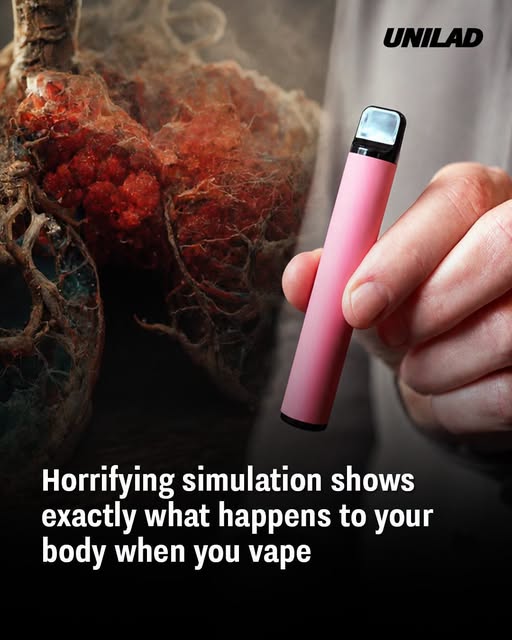
A vape heats a liquid and produces an aerosol that is inhaled directly into the respiratory system. This aerosol can contain substances capable of irritating the airways and lungs. Some users may experience coughing, dry mouth, sore throat, headaches, nausea, or breathing discomfort. One simulation designed to illustrate the effects of vaping shows how inhaled substances can travel deep into the lungs, reaching areas responsible for transferring oxygen into the bloodstream. The video focuses on the potential buildup of material around mucus and the alveoli, highlighting why repeated exposure may be concerning. The lungs rely on tiny hair-like structures called cilia to help move mucus and unwanted particles out of the airways. Damage or disruption to these structures could make it more difficult for the respiratory system to defend itself against irritants and infections.
Inflammation Is Another Concern
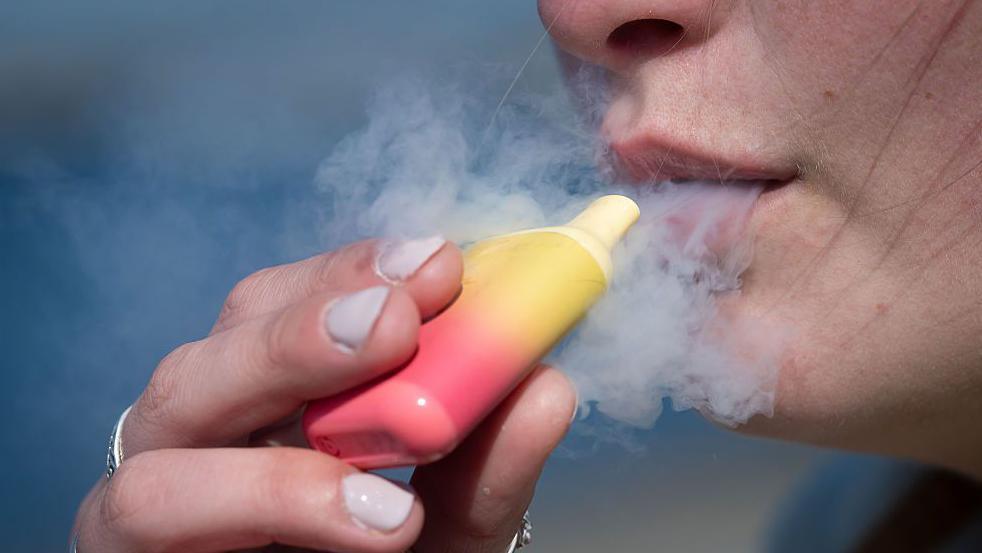
Research is increasingly examining the relationship between vaping and inflammation. Studies have associated e-cigarette use with inflammatory changes in the lungs, although scientists continue to investigate how these changes develop and what they mean over many years. Inflammation can affect normal respiratory function and may contribute to symptoms such as wheezing, coughing, chest tightness, or shortness of breath. However, researchers emphasize that the complete long-term consequences of vaping remain uncertain because e-cigarettes have not been used widely enough for several decades to provide the same depth of evidence available for traditional smoking.
Nicotine Can Create Dependence
The problem is not limited to the lungs. Most e-cigarettes contain nicotine, which is highly addictive. With repeated exposure, the brain can become accustomed to receiving nicotine, leading to cravings, tolerance, and withdrawal symptoms when a person attempts to stop. Nicotine is particularly concerning for adolescents because brain development continues into the mid-20s. Exposure during this period can affect areas involved in attention, learning, mood, and impulse control.
The Long-Term Picture Remains Unclear
One of the biggest challenges surrounding vaping is that scientists are still learning about its lifetime effects. Unlike traditional cigarettes, which have been studied for generations, modern vaping products are relatively new. This does not mean that vaping should be considered safe simply because every possible consequence has not yet been identified. Current evidence already shows that e-cigarette aerosol can expose users to substances capable of harming or irritating the respiratory system. For people who have never smoked, starting to vape can introduce an unnecessary source of nicotine and chemical exposure. Adults who already smoke cigarettes may potentially reduce exposure to some harmful substances by switching completely to e-cigarettes, but using both cigarettes and vapes does not eliminate the risks.

A Warning Worth Taking Seriously
The striking simulations of vaping provide a visual reminder that every puff sends an aerosol deep into the respiratory system. While some dramatic portrayals may simplify or exaggerate biological processes, the underlying concern is real: vaping is not simply harmless water vapor. As research continues, the safest choice for people who do not already use tobacco is not to begin vaping. The full consequences of years or decades of regular use may only become clearer with time.