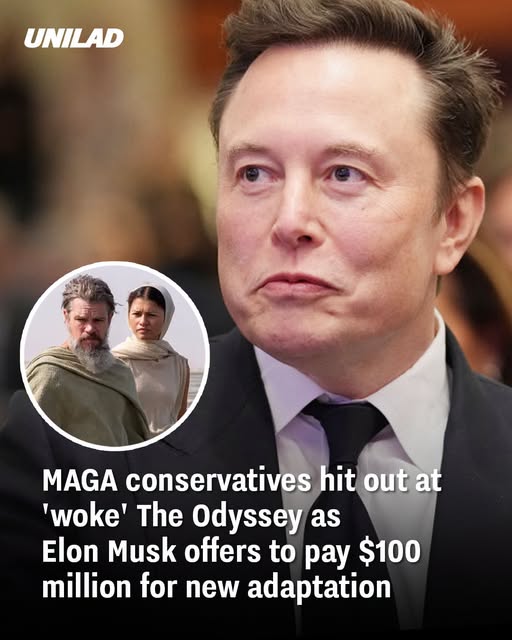
Elon Musk has once again found himself at the center of a major entertainment debate after expressing support for a new adaptation of The Odyssey. The billionaire entrepreneur surprised fans by saying he would be willing to back a large-scale film directed by Mel Gibson, while also revealing ambitious plans for an AI-generated version of the ancient Greek epic.
The comments came shortly after the successful release of Christopher Nolan’s adaptation of The Odyssey, which has enjoyed strong reviews and impressive box office results. Rather than praising the film, Musk suggested he preferred a different creative direction and began discussing how another version could stay closer to Homer’s original work.
A $100 Million Proposal
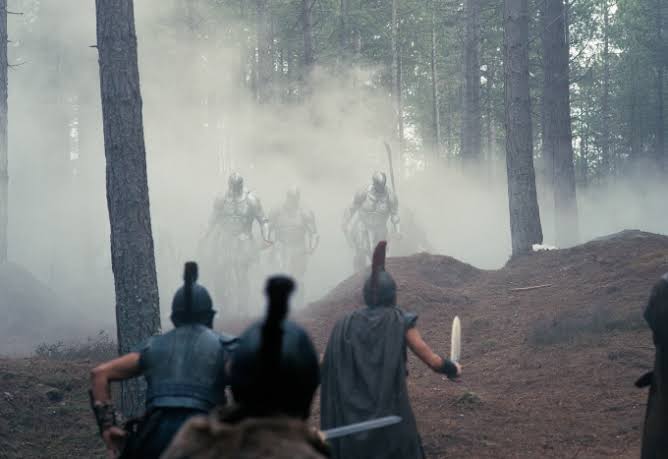
The discussion began on social media when a user proposed that Musk finance a $100 million adaptation directed by Mel Gibson. The idea envisioned a film featuring historically accurate ships, armor, weapons, and costumes, with dialogue taken directly from Homer’s epic and spoken in Homeric Greek. Instead of dismissing the suggestion, Musk responded with a simple message: “I’m down.” That brief reply immediately fueled speculation that such a project could eventually become a reality. Although no official production has been announced and Gibson has not publicly commented on the proposal, the exchange generated enormous attention among movie fans and industry observers.
AI Could Become the Main Attraction
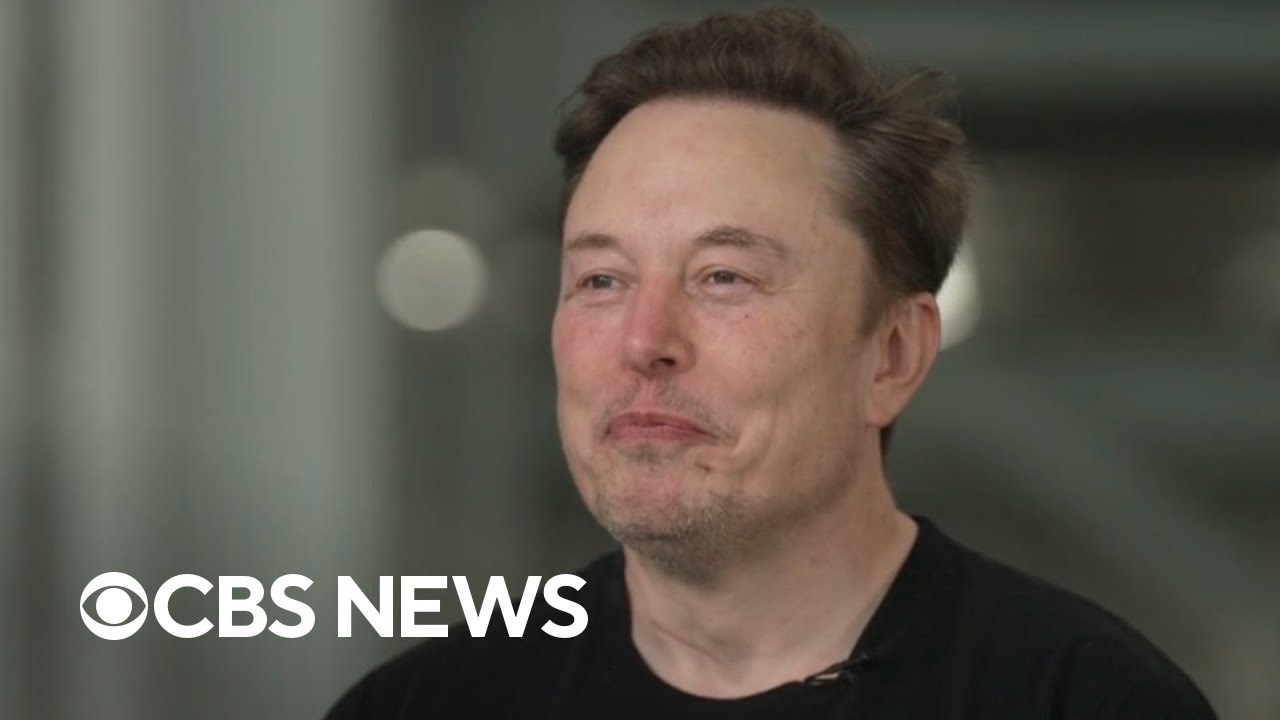
Only a short time after discussing the Mel Gibson proposal, Musk introduced an even more ambitious idea. He announced that his artificial intelligence platform, Grok Imagine, would create a full-length version of The Odyssey before the end of 2026. According to Musk, the project would remain faithful to Homer’s original poem while aiming to present what he described as a “historically accurate” interpretation. To support the announcement, he shared a short AI-generated demonstration inspired by the famous journey of Odysseus. The preview quickly spread online as supporters praised the technology while critics questioned whether artificial intelligence is capable of producing a feature-length film that matches the emotional depth of traditional filmmaking.
Debate Over Historical Accuracy
Musk’s use of the phrase “historically accurate” immediately sparked discussion among historians and film enthusiasts. While The Odyssey is one of the most influential works of ancient literature, it is also filled with mythological creatures, gods, and supernatural events. Because of this, many observers questioned whether any adaptation could truly be described as historically accurate. Others argued that Musk was referring to authentic costumes, architecture, weapons, sailing vessels, and language rather than suggesting that the mythical events themselves were factual. Regardless of the interpretation, the debate added another layer of attention to Musk’s proposal and kept the conversation trending across social media platforms.
Christopher Nolan’s Film Continues to Succeed
Despite Musk’s criticism, Christopher Nolan’s version of The Odyssey has become one of the year’s biggest movie successes. The film has earned widespread praise from critics and audiences alike, with many highlighting its performances, practical filmmaking techniques, and large-scale visual storytelling. It has also enjoyed an impressive opening at the global box office, reinforcing Nolan’s reputation for delivering ambitious cinematic experiences. Nolan has previously expressed skepticism about relying heavily on artificial intelligence in filmmaking, arguing that audiences—particularly younger viewers—can quickly recognize AI-generated content and continue to value authentic, human-made storytelling.
Could Both Projects Happen?
For now, Musk’s comments remain ideas rather than confirmed productions. There has been no official announcement that Mel Gibson will direct a live-action adaptation, nor has any production schedule been revealed for an AI-generated version. Even so, the conversation has reignited debate about the future of filmmaking and the growing role artificial intelligence may play in Hollywood. Some believe AI could eventually become an important creative tool, while others argue it should never replace the vision of human directors, actors, writers, and production teams. Whether Musk ultimately funds a traditional adaptation, completes his AI experiment, or neither project moves forward, his comments have already succeeded in generating worldwide discussion. They have also highlighted the continuing fascination with Homer’s timeless epic and demonstrated that, thousands of years after it was first written, The Odyssey still inspires passionate debate about storytelling, creativity, and the future of cinema.