
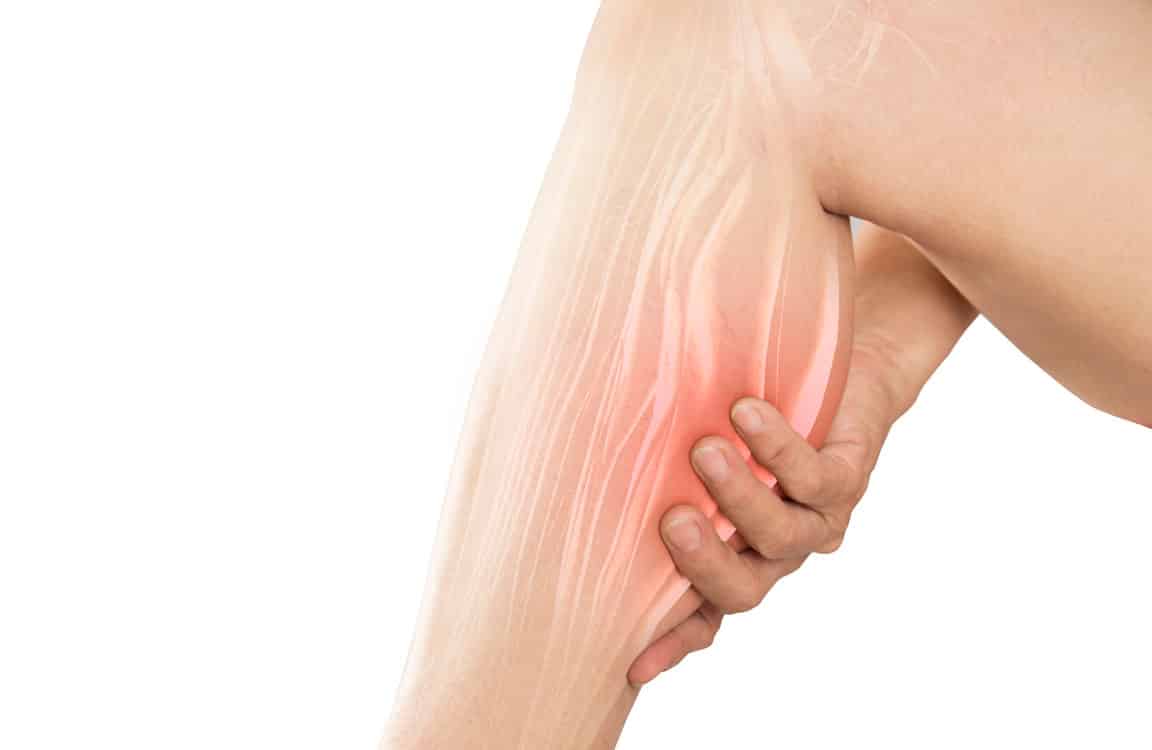
Night cramps, also known as nocturnal muscle cramps, are sudden, involuntary muscle contractions that usually occur during sleep. They most commonly affect the legs, especially the calves, and can cause sharp pain that briefly wakes a person up.
Although they are generally harmless, night cramps can be uncomfortable and disruptive to sleep. They can affect anyone, but certain groups of people are more likely to experience them.
Older Adults
One of the biggest risk factors for night cramps is age. Older adults are significantly more likely to experience muscle cramps during the night. This is partly due to natural muscle loss that occurs with aging, as well as reduced flexibility in tendons and changes in nerve function. Circulation may also become less efficient over time, contributing to muscle spasms.
People Who Are Physically Active or Athletes
Individuals who engage in intense physical activity, especially athletes, are also more prone to night cramps. Heavy exercise can lead to muscle fatigue, dehydration, and electrolyte imbalances. These factors increase the likelihood of muscles contracting involuntarily during rest. Athletes who do not properly stretch or recover after exercise may be particularly affected.
Pregnant Women
Pregnancy is another common period when night cramps occur more frequently, especially during the second and third trimesters. This may be due to changes in blood circulation, increased pressure on blood vessels, hormonal shifts, and changes in mineral levels such as calcium and magnesium. Although uncomfortable, pregnancy-related cramps are usually normal and tend to resolve after childbirth.
People With Certain Medical Conditions
Some underlying health conditions can increase the risk of muscle cramps at night. These include:
- Diabetes
- Peripheral artery disease
- Nerve disorders
- Kidney disease
- Thyroid imbalances
These conditions can affect nerve function, blood flow, or electrolyte balance, all of which play a role in muscle contraction and relaxation.
Individuals Taking Certain Medications
Some medications may also contribute to nighttime cramping as a side effect. These can include:
- Diuretics (which may affect fluid and electrolyte balance)
- Statins (used to lower cholesterol)
- Some asthma medications
- Certain blood pressure medications
People who notice frequent cramps after starting a new medication are often advised to consult a healthcare professional.
People With Dehydration or Electrolyte Imbalance
Proper muscle function depends on a balance of electrolytes such as potassium, magnesium, calcium, and sodium. Dehydration or poor nutrition can disrupt this balance and make muscles more prone to involuntary contractions. This is especially common in people who do not drink enough fluids or who lose fluids through sweating, illness, or exercise.
People Who Sit or Stand for Long Periods
Long periods of inactivity or maintaining the same posture can also increase the risk of night cramps. When muscles are not moved regularly, circulation can decrease and stiffness may develop. This can make muscles more likely to spasm when the body is at rest.
How to Reduce the Risk of Night Cramps
Although not all cramps can be prevented, several habits may help reduce their frequency:
- Staying well hydrated throughout the day
- Stretching leg muscles before bed
- Maintaining a balanced diet rich in minerals
- Avoiding overexertion during exercise
- Moving regularly if you sit or stand for long periods

The Bottom Line
Night cramps can affect many people, but they are more common in older adults, pregnant women, athletes, and individuals with certain medical conditions or lifestyle factors. While usually harmless, frequent or severe cramps may sometimes indicate an underlying issue. Understanding the risk factors can help people take simple steps to reduce their occurrence and improve sleep quality.