
As excitement builds around the 2026 FIFA World Cup, an unexpected topic has captured the attention of football fans worldwide. A long-running conspiracy theory involving global music superstar Shakira has resurfaced online, with supporters convinced that the singer’s personal life somehow predicts the fate of football’s biggest tournament.
While many dismiss the theory as nothing more than an amusing coincidence, others are eagerly debating whether history could repeat itself once again.
The Origins of the “Shakira Curse”
The unusual theory stems from Shakira’s high-profile relationship with former Spanish football defender Gerard Piqué. During the years they were together, Spain experienced one of the most successful periods in its football history, winning major international trophies and dominating the global stage. Fans later began connecting events in Shakira’s personal life to the fortunes of various national teams. What started as jokes and memes gradually evolved into a bizarre superstition embraced by football supporters around the world. The idea gained even more attention following the couple’s widely publicized separation, prompting some fans to revisit previous tournament outcomes and search for patterns that supported the theory.
Social Media Fuels Speculation
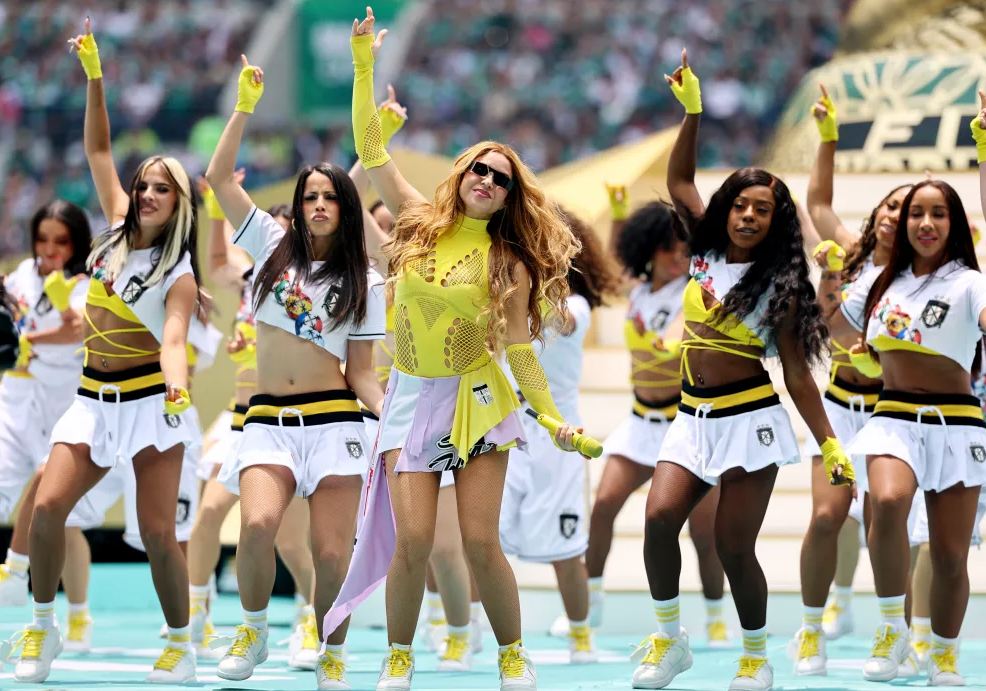
With the World Cup approaching its decisive stages, social media users have once again flooded timelines with humorous predictions linking Shakira to potential champions. Posts featuring old photographs, edited videos, and elaborate explanations have attracted millions of views. Some users insist that the singer’s relationships, performances, and public appearances somehow influence football destiny. Others simply enjoy participating in the playful tradition that has become part of modern tournament culture. Despite the lack of evidence, the theory continues to spread because of its entertainment value and the internet’s love for unusual narratives.
Fans Divided Over the Theory
Not everyone is convinced by the growing fascination. Many football supporters argue that the idea should be viewed purely as harmless fun rather than a serious prediction tool. They point out that international tournaments are shaped by tactics, preparation, player performance, injuries, and countless unpredictable factors. Others admit they do not genuinely believe the theory but still find themselves paying attention whenever another supposed “sign” emerges. The mixture of skepticism and curiosity has only added to the discussion, helping keep the conversation alive ahead of one of sport’s biggest occasions.
Why Sports Superstitions Persist
The Shakira theory is just one example of the many superstitions that surround major sporting events. Fans often wear lucky jerseys, sit in the same spot during matches, avoid changing routines, or repeat rituals they believe influence outcomes. Even professional athletes have been known to maintain pre-game habits they associate with success. Psychologists suggest that these behaviors can provide supporters with a sense of comfort and participation during situations they cannot control. Believing in lucky charms or unusual patterns may not change results on the field, but it can strengthen the emotional connection fans feel toward their teams.
All Eyes on the World Cup
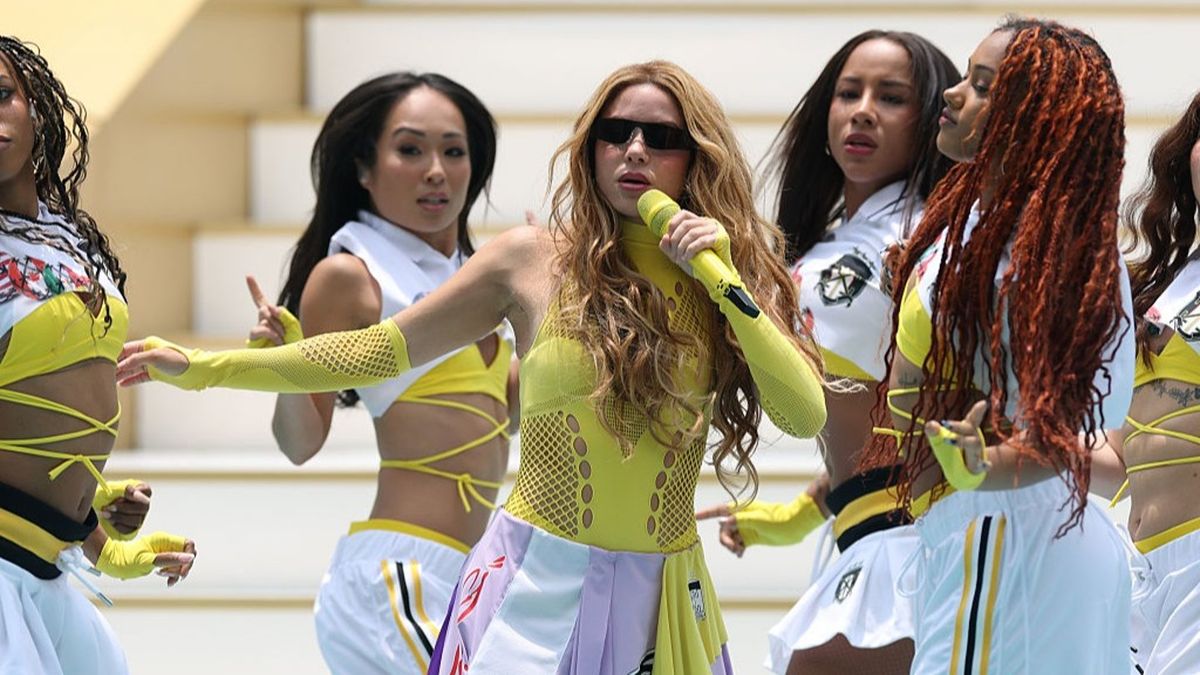
As the 2026 World Cup reaches its dramatic conclusion, supporters across the globe will be focused on the action unfolding on the pitch. Whether the latest wave of Shakira-related predictions proves accurate or not, the theory has already achieved one thing: it has given fans another memorable storyline to enjoy alongside the football itself. For now, the fate of the tournament remains in the hands of the players. But if social media is to be believed, plenty of fans will also be keeping a close eye on Shakira—just in case the world’s strangest World Cup superstition has one more chapter left to write.