
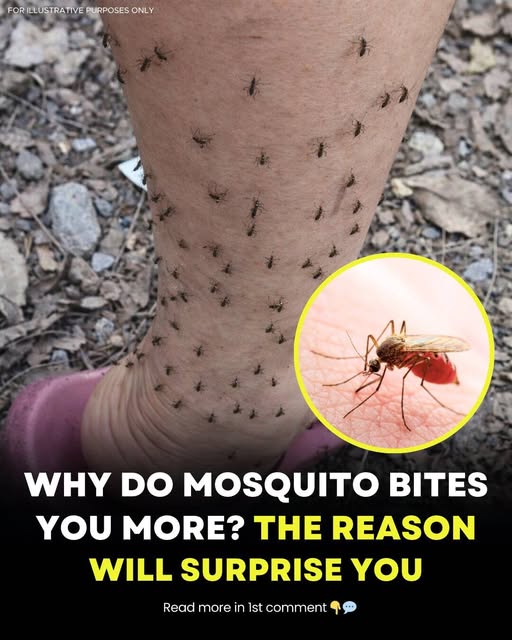
Many people notice a strange pattern in summer: while some seem to walk through mosquitoes untouched, others get covered in itchy bites within minutes. Science shows this isn’t just coincidence mosquitoes actually do prefer certain people based on a mix of biology, chemistry, and behavior.
How Mosquitoes Find You
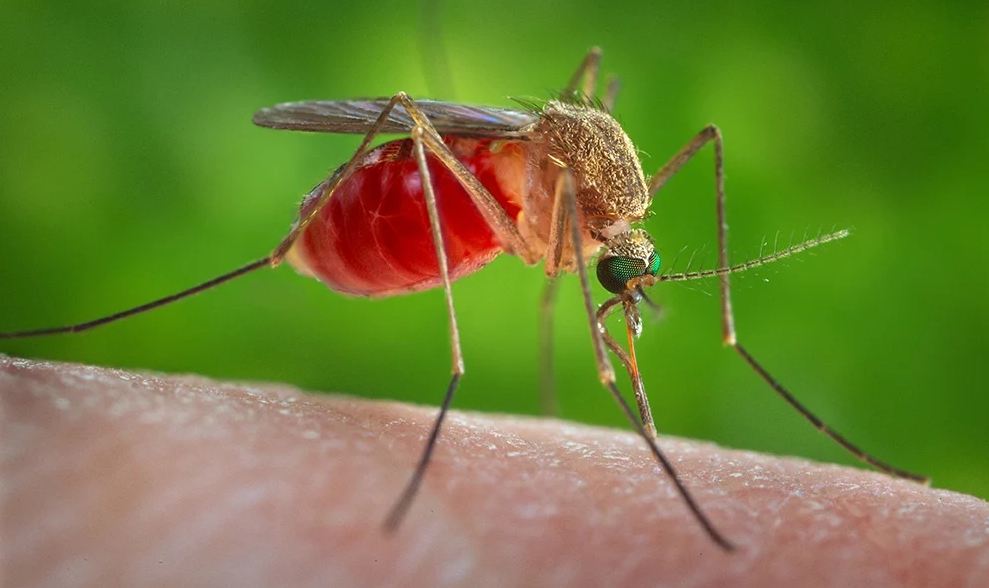
Mosquitoes don’t choose people randomly. They use a combination of powerful sensory cues to locate a host. The first signal is carbon dioxide (CO₂), which humans exhale with every breath. Mosquitoes can detect CO₂ from a distance and use it to track where people are located. Individuals who breathe out more CO₂ — such as larger people, pregnant women, or those who are physically active — often attract more mosquitoes. Once they get closer, mosquitoes rely on body heat, sweat, and skin odors to choose a target.
Your Body Odor Plays a Big Role
One of the strongest attractants is the chemical makeup of your skin. When you sweat, your body releases substances like lactic acid, ammonia, and carboxylic acids. Some people naturally produce higher levels of these compounds, making them more attractive to mosquitoes. Your skin is also home to bacteria that break down sweat into additional odor signals. This means your skin microbiome — the community of microbes living on your skin — can influence how “attractive” you smell to mosquitoes. In simple terms, mosquitoes are not attracted to “blood type” or personality — they are reacting to invisible chemical scents coming from your body.
Genetics and Natural Differences
Research suggests that mosquito attraction is partly genetic. Some studies indicate that a large portion of why people differ in attractiveness to mosquitoes may come from inherited traits that affect skin chemistry and odor production. This explains why some families or individuals consistently get more bites than others, even when living in the same environment.
Lifestyle Factors That Can Increase Bites
Certain habits can temporarily make you more attractive to mosquitoes:
Exercise increases CO₂ and lactic acid production
Alcohol consumption can alter body scent and increase attraction
Body temperature changes make you easier to detect
Dark clothing may make you more visible to mosquitoes
These factors don’t permanently change your “mosquito magnet level,” but they can make you more noticeable in the moment.
Myths vs. Science
There are many myths about mosquito attraction — such as eating bananas, blood sugar levels, or having a “sweet blood type.” While blood type O may show a slight increase in attraction in some studies, it is far less important than body odor and CO₂. Scientific evidence consistently shows that odor, heat, and carbon dioxide are the main drivers, not superstition or personality traits.
Why Mosquitoes Target Some People More
In reality, mosquitoes are highly efficient chemical hunters. They combine multiple signals — smell, heat, and CO₂ — to choose the easiest and most appealing target. Some people simply produce stronger or more attractive chemical signatures than others. That’s why being a “mosquito magnet” is not random, and not imagined — it is the result of real biological differences.
Conclusion
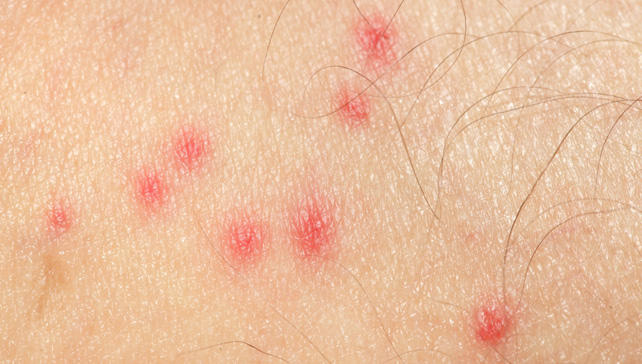
If mosquitoes always seem to choose you, it’s not bad luck — it’s biology. Your breathing rate, sweat chemistry, skin bacteria, genetics, and even daily habits all influence how attractive you are to them. While you can’t completely change your natural chemistry, understanding what draws mosquitoes can help you reduce bites and protect yourself more effectively during mosquito season.