A recent scientific discovery has raised concern among researchers and environmental experts after a previously undetected toxic chemical was found in the air in the United States. While the finding may sound alarming, scientists emphasize that it represents an early stage of understanding a potentially important environmental issue rather than an immediate crisis.
A Surprising Discovery in the Air
The discovery was made during a research project led by scientists from the University of Colorado Boulder. Initially, the team was studying how airborne particles form and behave in agricultural regions. However, their instruments detected something unexpected — a group of toxic compounds known as Medium Chain Chlorinated Paraffins (MCCPs). This marks the first time these chemicals have been identified in the air in the United States and the Western Hemisphere. Previously, MCCPs had only been detected in regions like Asia and even Antarctica, but not in U.S. air samples.
What Are MCCPs?
MCCPs are industrial chemicals commonly used in manufacturing processes. They appear in products such as plastics, textiles, and metalworking fluids. These compounds are considered toxic organic pollutants, meaning they can persist in the environment and potentially pose risks to human health and ecosystems. Scientists compare them to so-called “forever chemicals” like PFAS, which are known for their long-lasting presence in nature and the human body. Although their full health effects are not yet fully understood, their persistence and chemical behavior make them a growing concern among environmental researchers.
How Did They Get Into the Air?
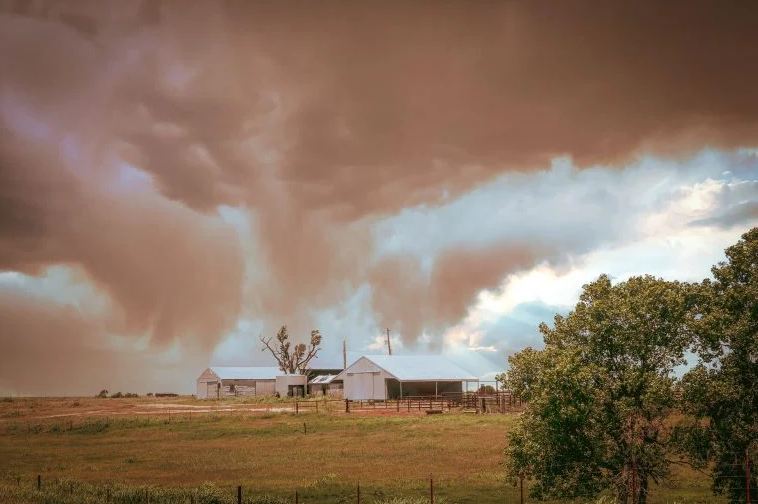
Researchers believe the source of these chemicals may be linked to agriculture. MCCPs are often found in wastewater and can end up in biosolid fertilizers, which are made from treated sewage sludge. When these fertilizers are spread across farmland, the chemicals may be released into the air. While scientists have not yet proven this pathway definitively, it is currently the most likely explanation based on available data. The discovery was made in Oklahoma, where continuous air monitoring revealed the presence of these compounds over time.
A Possible Side Effect of Regulation
Interestingly, the rise of MCCPs may be linked to earlier environmental regulations. A related group of chemicals, known as short-chain chlorinated paraffins (SCCPs), has already been restricted due to its harmful effects. As industries phased out SCCPs, they may have turned to MCCPs as an alternative. This substitution effect is a known challenge in environmental policy, where banning one harmful substance can sometimes lead to the increased use of another with similar risks.
What This Means for Public Health
At this stage, scientists stress that more research is needed. While MCCPs are known to be toxic in certain environments, their impact when airborne is still being studied. Researchers are now focused on understanding how these chemicals behave in the atmosphere, how widespread they are, and whether they pose a direct risk to human health. Monitoring efforts will likely expand to other regions to determine if this is a localized issue or a broader environmental trend.
A Reminder of Hidden Environmental Risks
This discovery highlights how complex and evolving environmental science can be. Even as regulations reduce known pollutants, new or previously overlooked substances can emerge. The identification of MCCPs in U.S. air does not signal immediate danger, but it does serve as an important reminder: the environment still holds hidden challenges that require ongoing research, monitoring, and careful regulation.