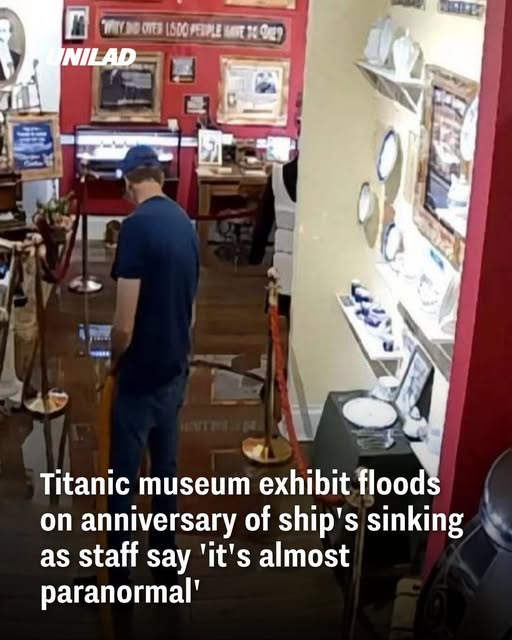
Visitors and staff at the Volo Museum were left stunned after an unusual event unfolded at one of its most popular attractions. A Titanic-themed exhibit unexpectedly flooded on the exact anniversary of the ship’s tragic sinking. The eerie timing quickly sparked curiosity, with some even suggesting there might be something more mysterious behind the incident.
Flooding at the Titanic Exhibit
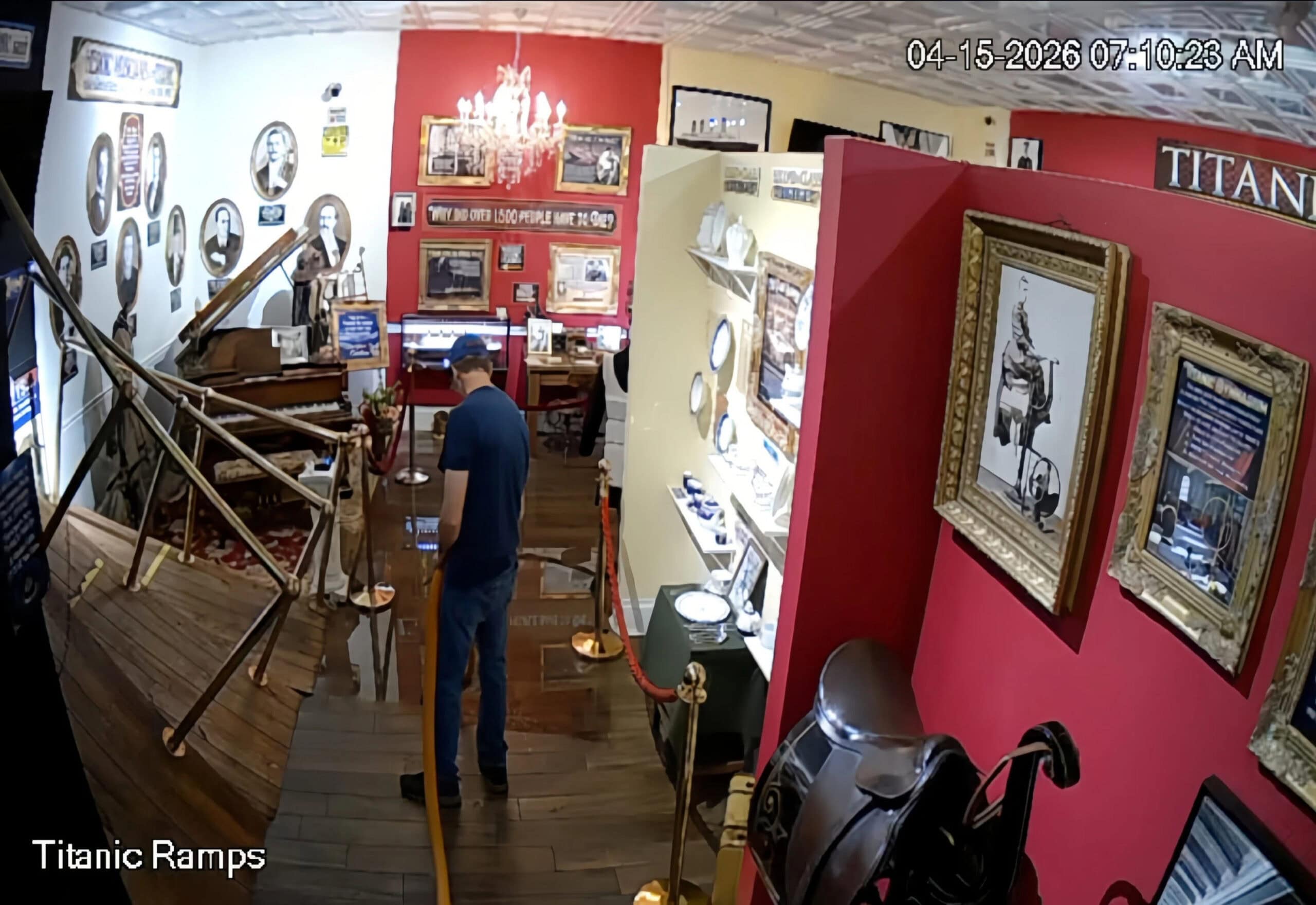
The incident occurred on April 15, marking 114 years since the sinking of the RMS Titanic. Staff arriving at the museum discovered water covering parts of the exhibit floor, prompting immediate action to protect valuable items. The exhibition contains a wide range of artifacts connected to the Titanic, including historical objects, fashion pieces, and even vehicles once linked to notable passengers. Despite the unexpected flooding, employees acted quickly and managed to prevent major damage to these important displays.
What Caused the Flood?
While the timing raised eyebrows, the most likely explanation was far less supernatural. The Chicago area had experienced heavy overnight storms, bringing significant rainfall that led to localized flooding. Around 2.4 inches of rain fell in a short period, overwhelming parts of the area and eventually affecting the museum. Still, one detail stood out: the building had rarely experienced flooding before. In fact, this was only the second such incident in decades, with the first occurring shortly after the Titanic exhibit originally opened.
“Almost Paranormal” Timing
Museum staff couldn’t ignore the strange coincidence. The fact that flooding occurred on the exact date of the Titanic’s sinking led some to describe the moment as “almost paranormal.” Curators even noted that there had been previous reports of unusual activity around the museum, including unexplained occurrences captured on security cameras. While there’s no evidence to support supernatural claims, the combination of timing, history, and coincidence has fueled speculation among visitors and online audiences.
A Tragedy That Still Captivates
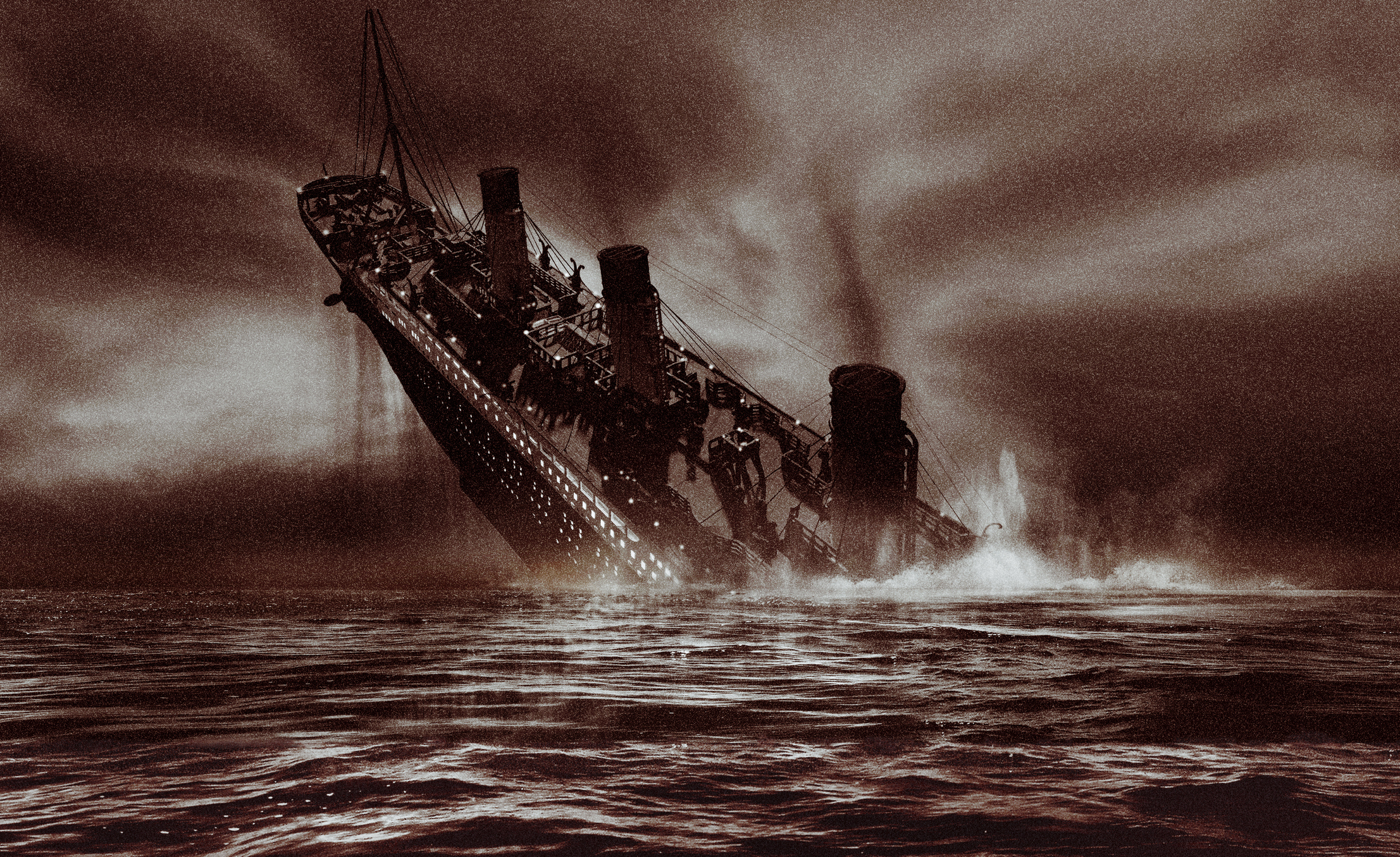
The story of the Titanic continues to fascinate people more than a century later. The ship, once considered unsinkable, struck an iceberg during its maiden voyage in 1912 and sank in the North Atlantic Ocean, leading to the deaths of over 1,500 people. Today, artifacts recovered from the wreck serve as powerful reminders of the disaster, helping museums like the one in Illinois preserve history and educate visitors about the human stories behind the tragedy.
Coincidence or Something More?
Although the flooding can be explained by weather conditions, the unusual timing has left many wondering whether it was simply a coincidence. For skeptics, it’s a clear case of unfortunate timing combined with heavy rain. For others, it adds a layer of mystery to an already haunting historical event. In the end, while there’s no proven paranormal cause, the incident highlights how powerful the legacy of the Titanic remains. Even today, it continues to capture imagination, spark debate, and—on rare occasions—create moments that feel almost too strange to ignore.
Conclusion
In the end, the unexpected flooding of the Titanic exhibit appears to have a logical explanation rooted in severe weather conditions rather than anything supernatural. However, the fact that it occurred on the exact anniversary of the ship’s sinking adds an undeniable layer of intrigue that is difficult to ignore. Moments like this show how history can still feel alive, especially when timing and coincidence align so perfectly. Whether seen as a simple accident or an eerie twist of fate, the incident has reignited public fascination with the Titanic and its enduring legacy. More than a century after the tragedy, the story continues to capture attention, reminding people of both the human cost of the disaster and the powerful emotions tied to it. Ultimately, this event serves as a reminder that while science and logic explain most occurrences, there will always be moments that spark curiosity and wonder—keeping historic events like the Titanic firmly rooted in both memory and imagination.