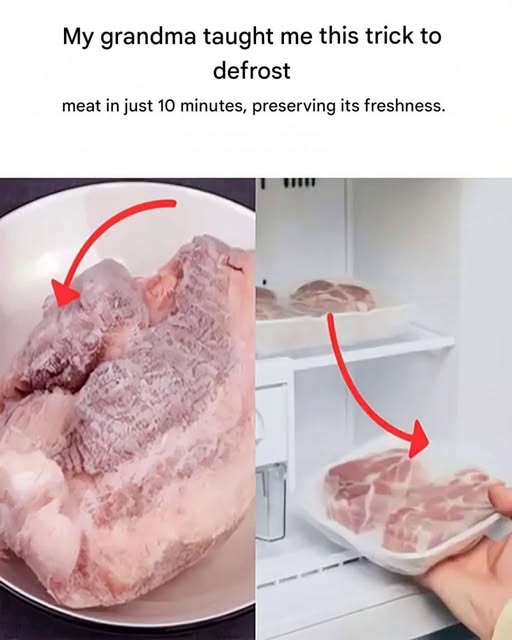
Defrosting meat correctly is an essential step in food preparation that many people overlook. While it may seem like a simple process, doing it the wrong way can affect both the safety and quality of your food. Improper thawing can allow harmful bacteria to grow, increasing the risk of foodborne illness.
Frozen meat is safe because low temperatures prevent bacteria from multiplying. However, once the meat begins to thaw, especially at room temperature, bacteria can quickly develop on the surface. That is why it is important to use safe and controlled methods when defrosting.
The Safest Method: Refrigerator Thawing
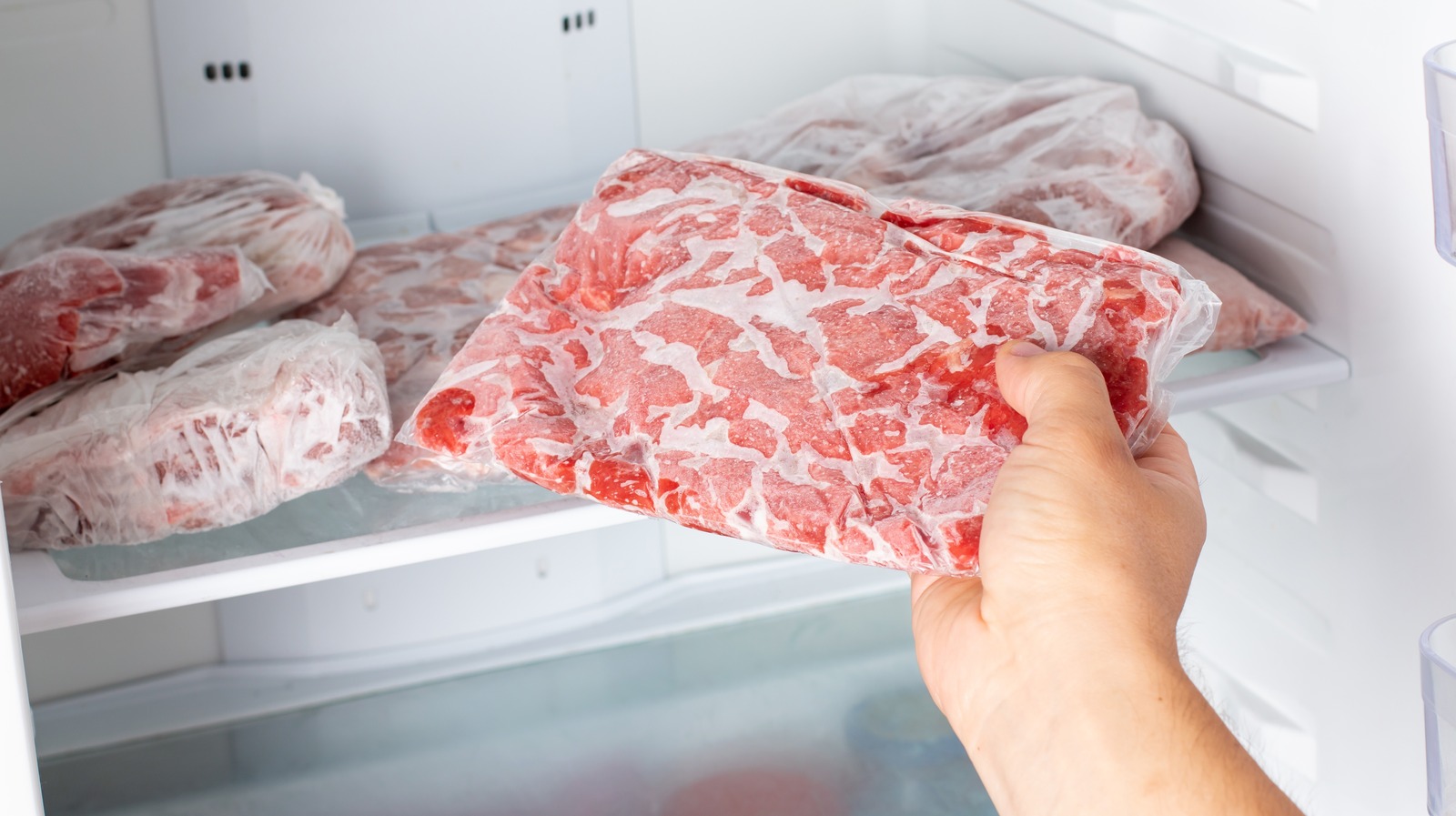
One of the best ways to defrost meat is by placing it in the refrigerator. This method keeps the meat at a consistent, safe temperature while it slowly thaws. Although it takes longer than other methods, it is the most reliable way to prevent bacterial growth.
Depending on the size and type of meat, thawing in the fridge can take several hours or even a full day. For example, small cuts like chicken breasts may thaw overnight, while larger items such as whole roasts require more time.
The advantage of this method is that once thawed, the meat can remain safely in the refrigerator for an additional day or two before cooking.
Faster Option: Cold Water Method
If you need to defrost meat more quickly, the cold water method is a safe alternative. To do this, place the meat in a sealed plastic bag and submerge it in cold water. It is important to change the water every 30 minutes to keep it cold and prevent bacterial growth.
This method works much faster than refrigerator thawing, often taking only a few hours depending on the size of the meat. However, once the meat is thawed using this method, it should be cooked immediately to ensure safety.
Never use warm or hot water, as this can raise the temperature of the meat to unsafe levels.
Using the Microwave: A Last Resort
The microwave can also be used to defrost meat, but it should be considered a last option. While it is the fastest method, it can begin to cook parts of the meat unevenly, especially thinner areas.
If you choose to use a microwave, follow the defrost setting and monitor the process carefully. Rotate or flip the meat frequently to ensure even thawing.
Once defrosted in the microwave, the meat should be cooked right away, as some parts may already be at temperatures that allow bacteria to grow.
Methods to Avoid
One of the most common mistakes is leaving meat out on the counter to thaw at room temperature. This method is unsafe because the outer layer of the meat can reach a temperature where bacteria multiply rapidly, even while the inside remains frozen.
Another unsafe practice is using hot water or placing meat in direct sunlight. Both methods can lead to uneven thawing and increase the risk of contamination.
Avoid refreezing raw meat that has been thawed outside of the refrigerator, as this can compromise both safety and texture.
Tips for Better Results
To make defrosting easier, plan ahead whenever possible. Moving meat from the freezer to the refrigerator the night before cooking can save time and ensure safe thawing.
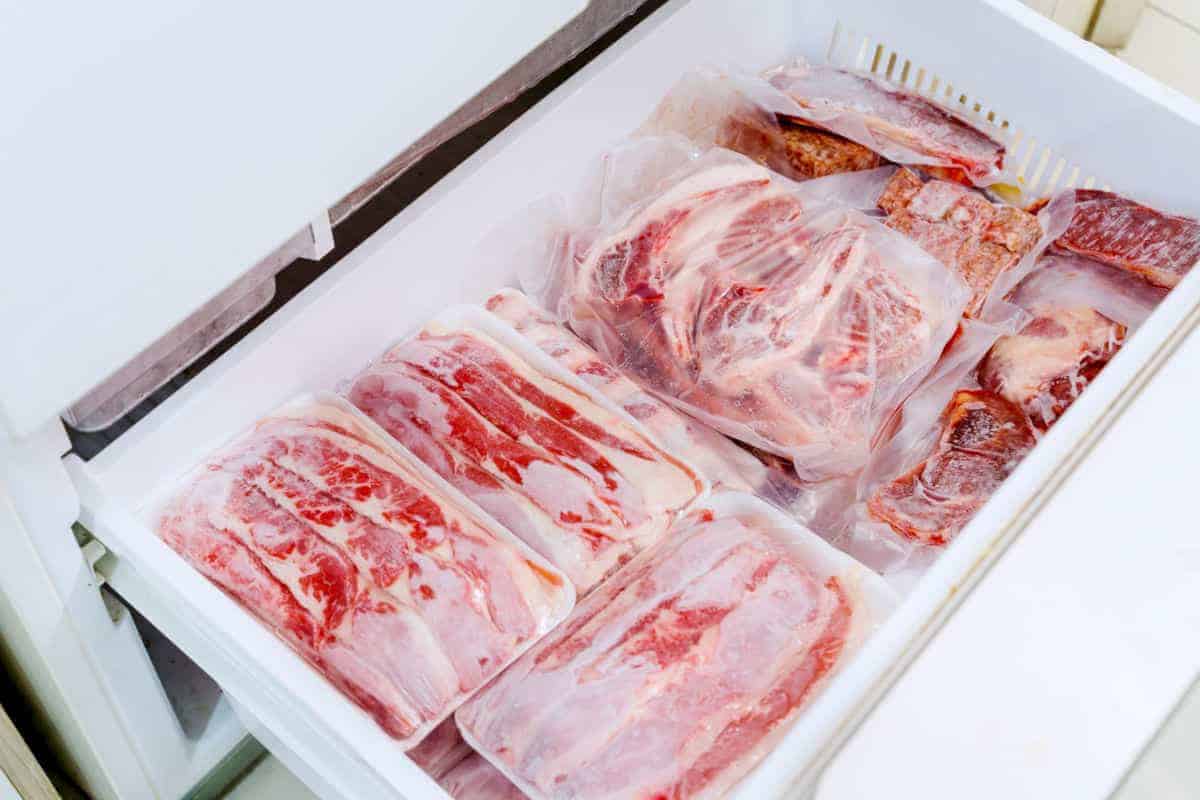
Labeling and organizing your freezer can also help you manage portions more effectively. Smaller portions thaw faster and more evenly than large cuts.
Keeping meat in leak-proof packaging prevents cross-contamination and keeps your kitchen clean.
Safe Habits for Everyday Cooking
Defrosting meat properly is a small step that makes a big difference in your kitchen. By using safe methods and avoiding common mistakes, you can protect your health and improve the quality of your meals.
With a little planning and attention, you can ensure that your meat is not only safe to eat but also enjoyable every time you cook.