

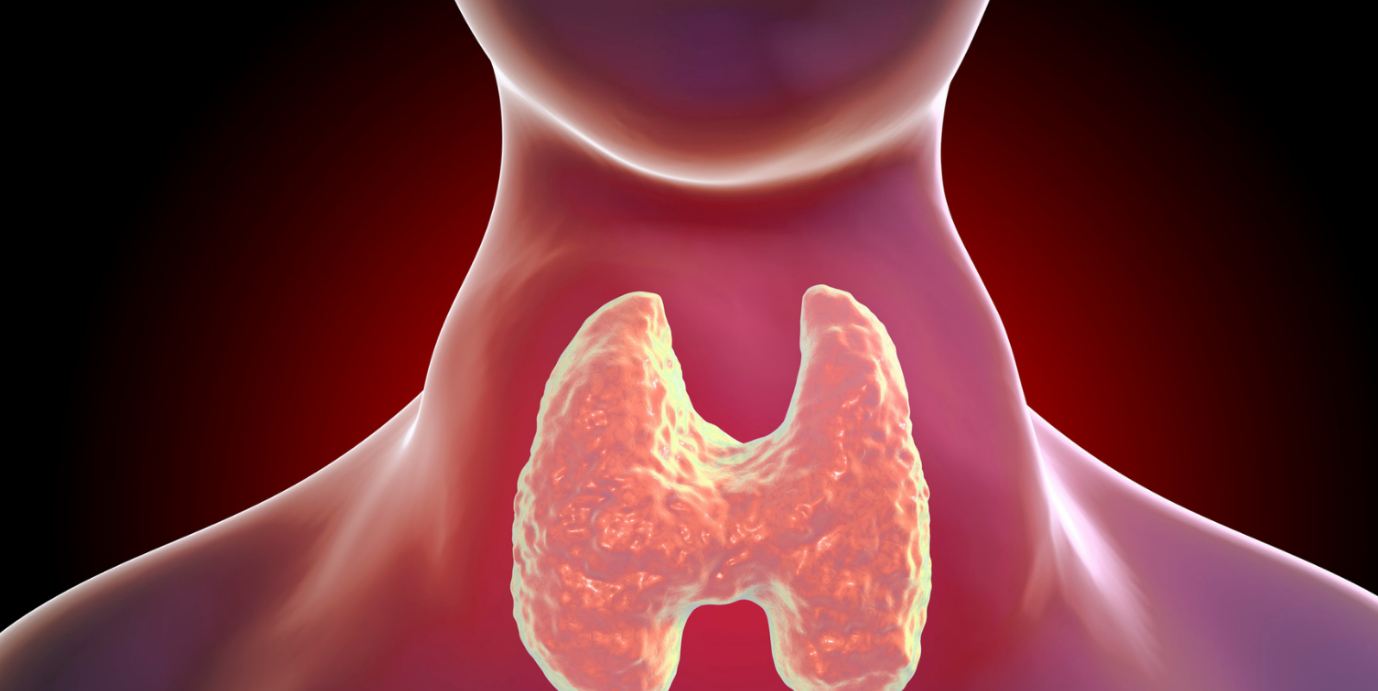
Many articles and posts online claim that there is a single “number one enemy” of your thyroid. These claims often sound dramatic, suggesting that one specific food or habit is responsible for damaging this important gland. However, the reality is more complex. The thyroid is a small but powerful gland that controls metabolism, energy levels, and many vital body functions. Because of its importance, people are often eager to identify simple causes of thyroid problems. But experts agree that there is no single universal “enemy” that affects everyone the same way.
Foods That May Affect Thyroid Function
While there is no one dangerous food for everyone, certain foods can influence thyroid function, especially in people who already have thyroid conditions. For example, soy products are often mentioned because they may interfere with the absorption of thyroid medication. Another group includes raw cruciferous vegetables like broccoli, cabbage, and cauliflower. These contain compounds called goitrogens, which can affect how the thyroid uses iodine. However, cooking these vegetables significantly reduces their impact, making them safe in moderation. Highly processed foods are also considered harmful for overall thyroid health. They often contain unhealthy fats, excess sugar, and lack important nutrients, which can contribute to inflammation and metabolic imbalance.

The Role of Nutrients and Balance
Instead of focusing on a single “enemy,” it is more helpful to understand what the thyroid needs to function properly. Nutrients like iodine, selenium, and zinc play a crucial role in hormone production and regulation. Too little iodine can lead to thyroid dysfunction, but too much can also cause problems. Similarly, selenium supports thyroid health, but excessive intake can be harmful. This shows that balance—not elimination—is key. A diet rich in whole foods, including vegetables, lean proteins, and healthy fats, supports overall thyroid function.
Lifestyle Factors Matter Too
Food is only one part of the picture. Lifestyle habits can also influence thyroid health. Stress, lack of sleep, and exposure to environmental toxins may disrupt hormone balance over time. Caffeine, for example, may worsen symptoms in people with hyperthyroidism and can interfere with medication if taken too soon after dosing. In addition, poor eating habits, such as consuming too many processed foods or skipping meals, can negatively affect metabolism and energy levels, indirectly impacting the thyroid.
Why “One Enemy” Claims Are Misleading
The idea of a single harmful food is appealing because it simplifies a complex issue. However, it can also be misleading. Thyroid health depends on multiple factors, including genetics, diet, lifestyle, and existing medical conditions. For some people, certain foods may cause sensitivity or interfere with treatment, while others may have no issues at all. This is why generalized claims should be approached with caution. Rather than eliminating entire food groups based on trends, it is better to focus on moderation and personalized advice from healthcare professionals.
A Smarter Approach to Thyroid Health
The best way to support your thyroid is through a balanced lifestyle. Eating a variety of nutrient-rich foods, managing stress, and maintaining regular medical check-ups are all important steps. If you suspect a thyroid issue, it is essential to consult a doctor rather than relying on online claims. Early diagnosis and proper treatment can make a significant difference. In the end, there is no single “enemy” of the thyroid. Instead, long-term habits and overall balance play the biggest role in maintaining a healthy and properly functioning gland.